
Curriculum


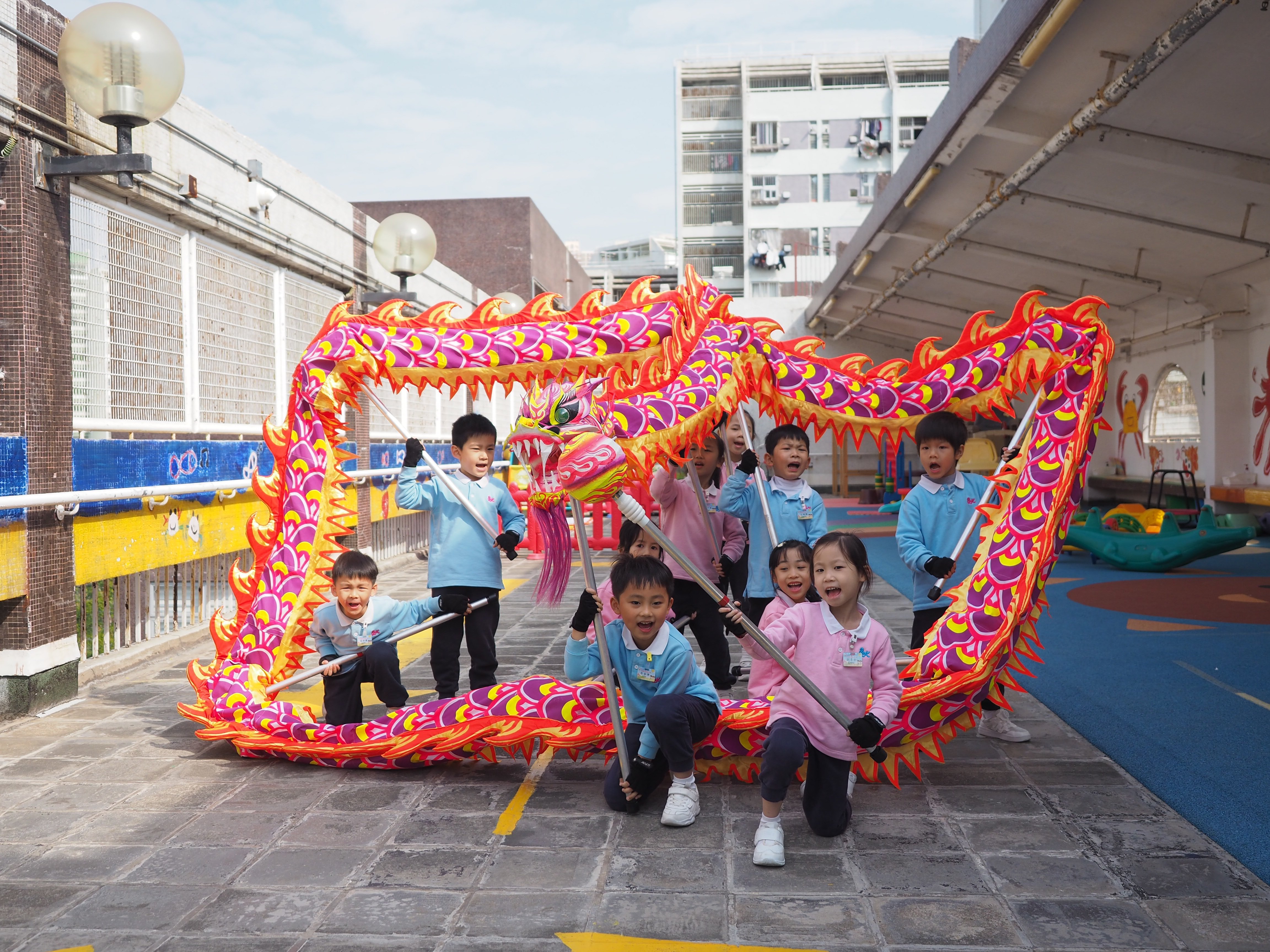

The Kuk attaches great importance to child-centered education to accommodate the individual differences among its students. Children can learn at their own pace by selecting the learning activities according to their abilities and interests, which are conducted under teachers' guidance and self-directed learning alternatively or simultaneously. The teaching design is based on the entire school as a whole and is no longer limited to a single classroom; the learning-rich environment encourages children to explore and learn independently, so as to achieve comprehensive and balanced development.

The Kuk child care service adopts an integrated teaching method along with the thematic approach in pre-school education, with content covers six major Learning Areas, including language, early childhood mathematics, nature and living, arts and creativity, self and society, and physical fitness and health. Versatile extra-curricular activities are arranged for students to enrich real-life learning experience and widen their horizons.

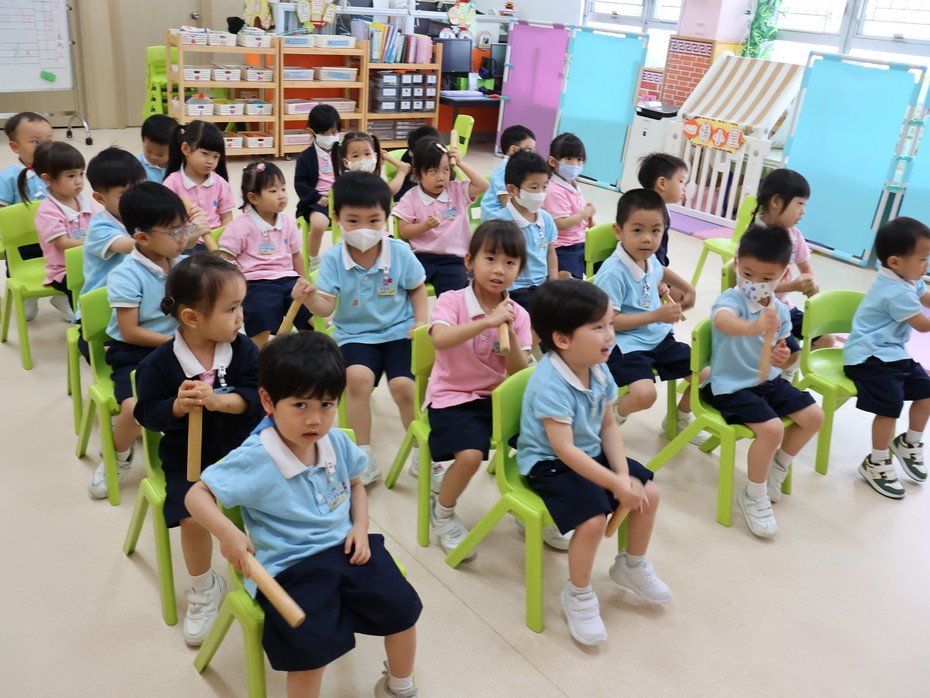
With toys and games elements, children can practice different learning aspects such as language, mathematical concepts, science and technology, and logical thinking through the use of the teaching aids. From "learning by doing" and "learning through play", to consolidate their studies.

Peer interactions construct more opportunities for younger children to mimic the older students on problem solving and improves their learning efficiency. The scaffolding effect stimulates children's language development, and facilitate their social skills with mutual respect when getting along with others.
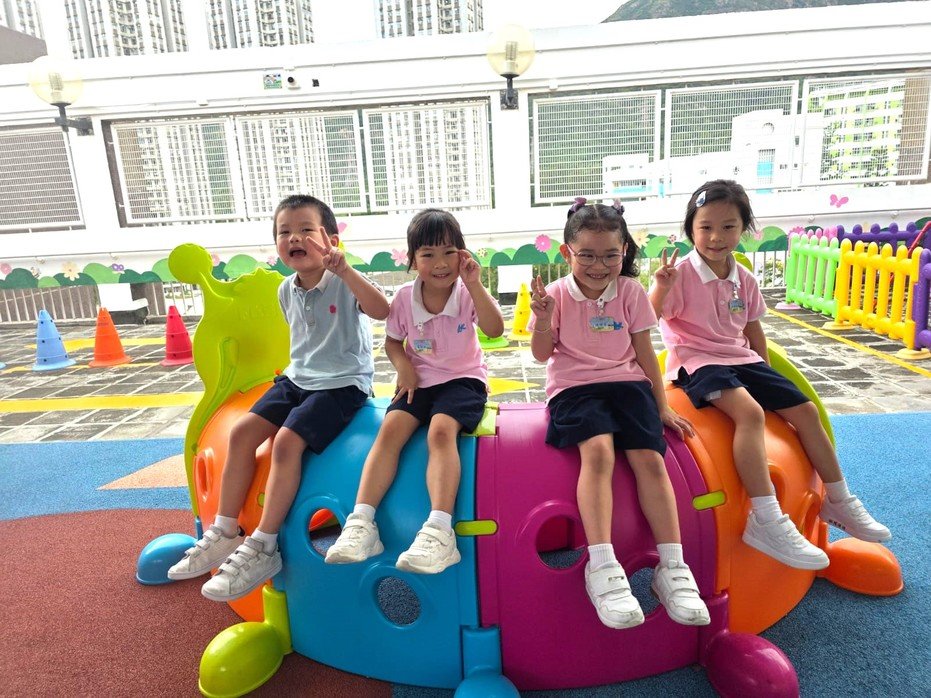
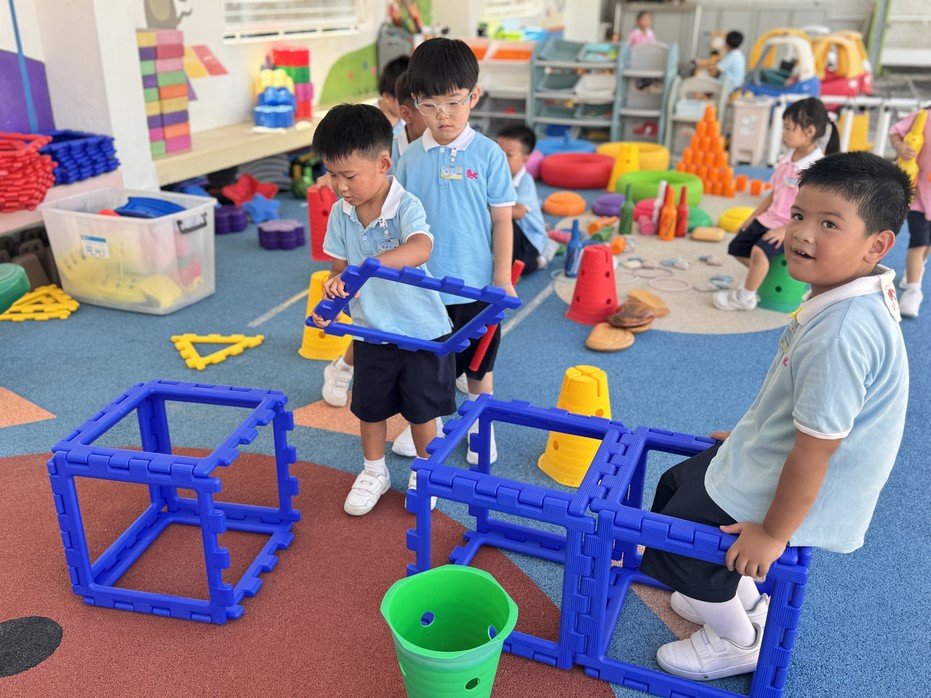
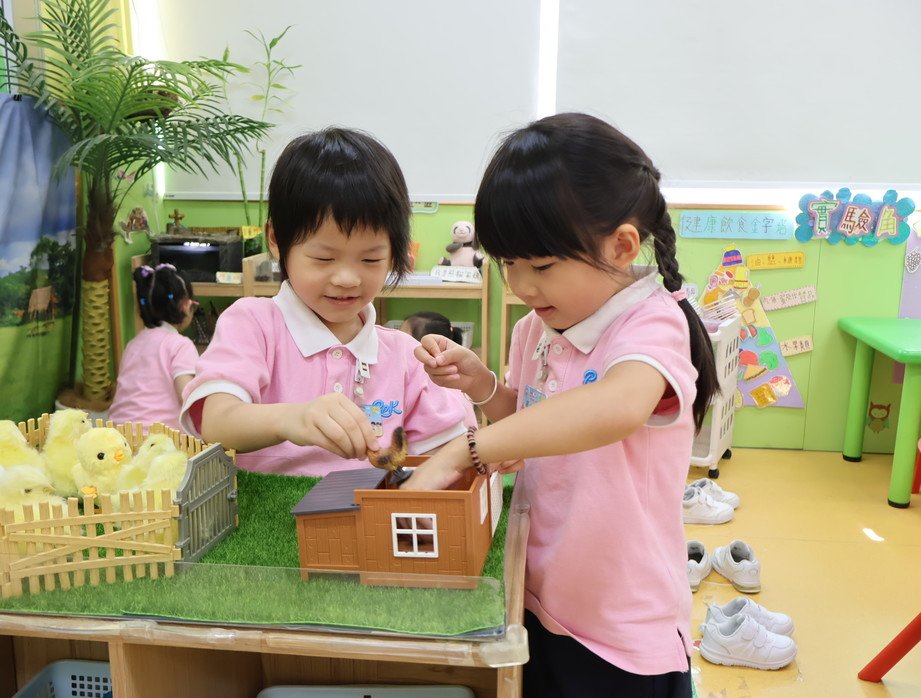
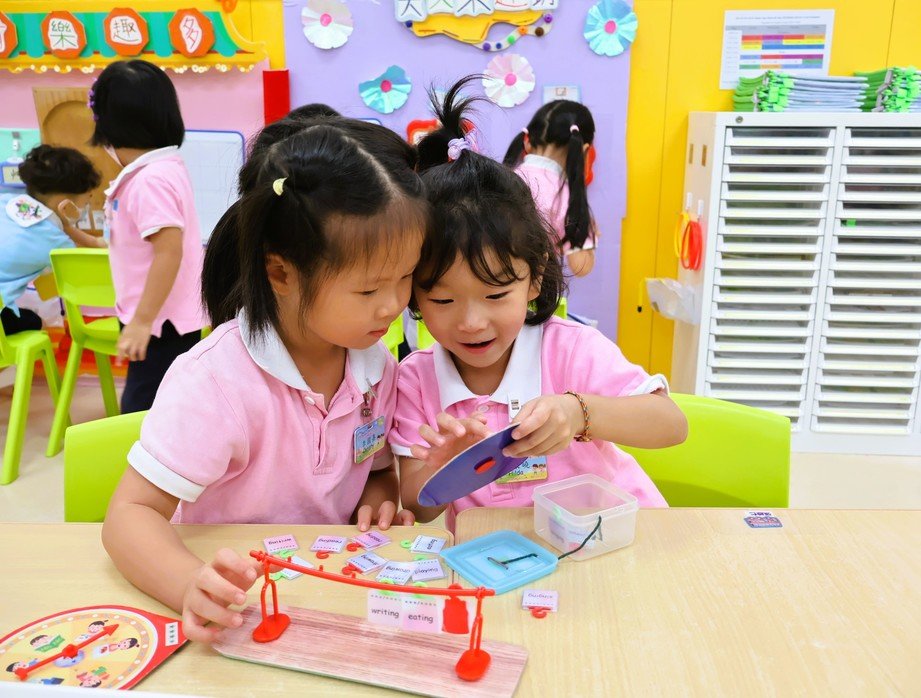
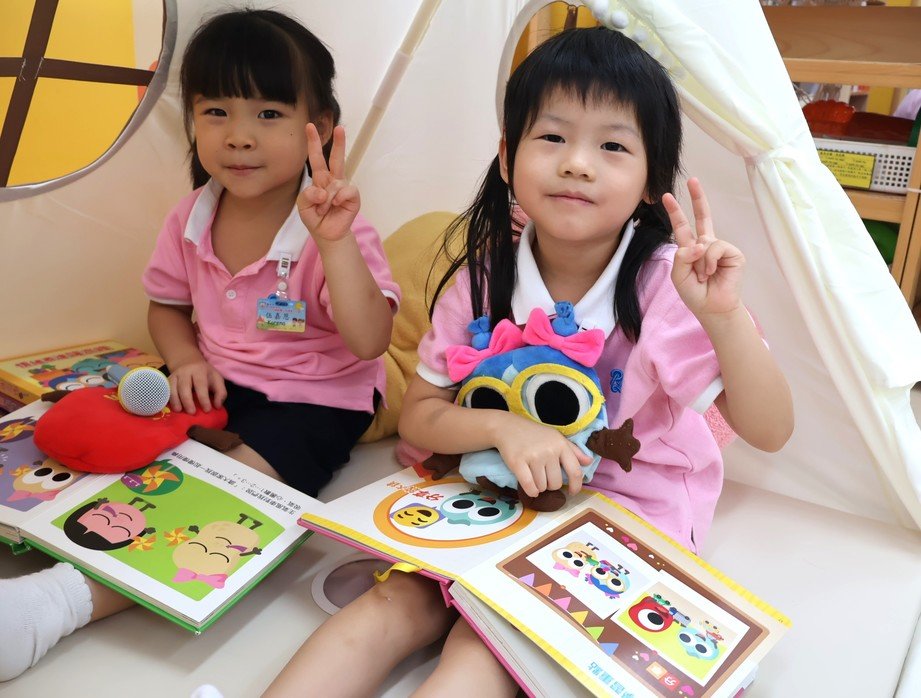

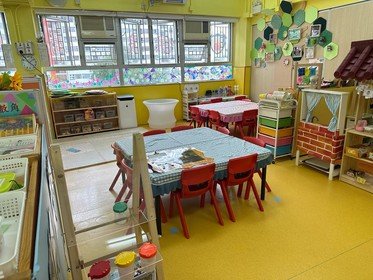
The school adopts "Space Approach" in teaching to cultivate children’s self-directed and self-motivated learning attitudes.
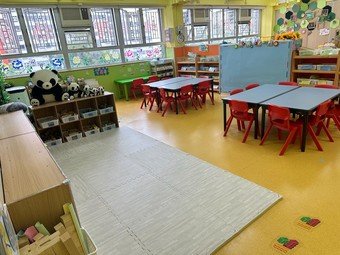
The classrooms are divided into 4 learning zones, including:
- Expressive Communication Zone
- Exploration Zone
- Visual Arts Zone
- Music & Physical Movement Zone

Apply real-life context and meaningful learning activities to enhance children’s interests in language learning and their presentation and communication abilities.

Arouse children’s interests in nature, mathematics and science, cultivate their eagerness to explore, establish logical thinking and problem-solving skills.
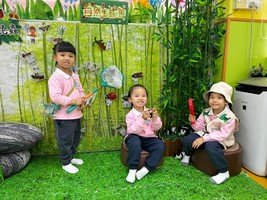

Instruct children to utilize materials with different tactile sensations and textures during art activities, empower them to unleash their creativity, express personal feelings and develop their aesthetic sensibility.
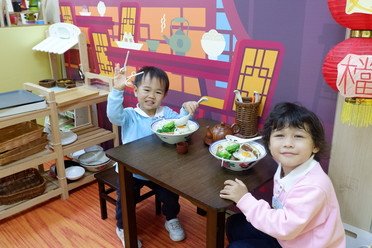

Organize a wide variety of music activities and dramas to study different music and perform physical movement creations, in order to increase children's creativity and imagination.
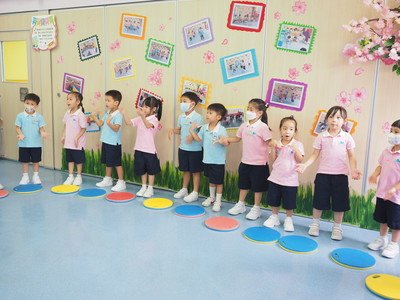
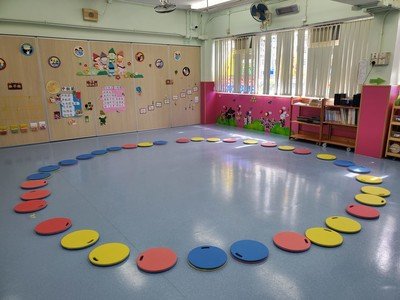

Carry out various physical activities, skills training and group games to train up the gross-motor coordination.
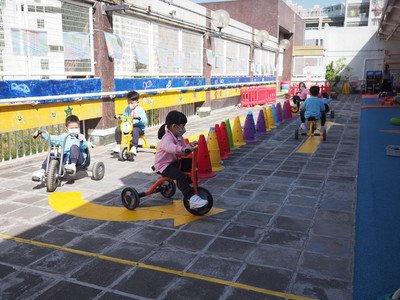
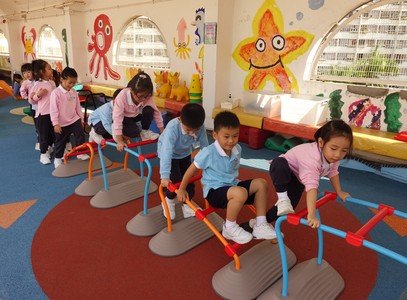
Cross-disciplinary learning will be carried out according to the monthly learning theme amongst each zone.

2024/2025
Through the implementation of diverse creative activities and games, enhance the understanding of Chinese culture, thereby fostering young children's sense of national identity.
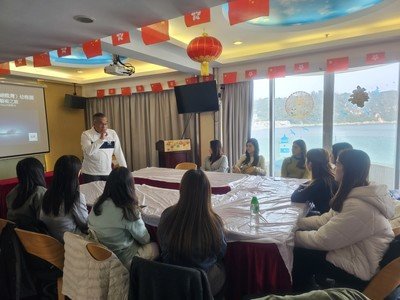
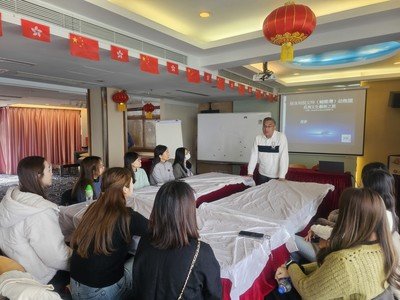
- Teachers
- Enhance teachers' professional knowledge and skills in the field of Chinese culture to strebgthen young children's sense of national identity.
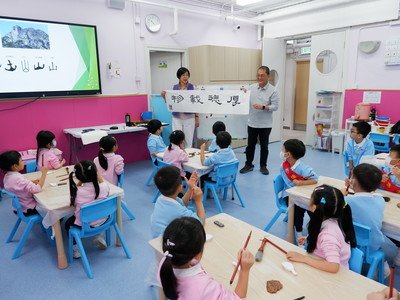
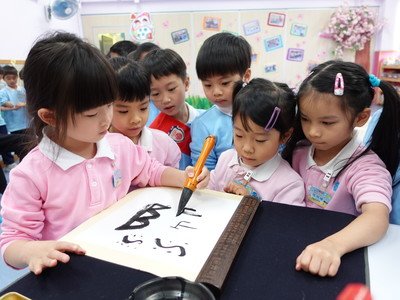
- Children
- Strengthen children's underdtanding of Chinese culture thriugh diverse creative activities and games.
- Parents
- Through various forms, help parents recognize the importance od Chinses culture in children's development, and engage in parent-child exploratory activities together to participatr in related events.
2025/2026
Through the implementation of diverse moral education activities, strengthen the learning of traditional Chinese values, promoting children's development in politeness, respect for others, and a sense of responsibility.
- Teachers:
- Enhance teachers' understanding of traditional Chinese values and improve their skills in delivering moral education curricula.
- Parents:
By organizing diverse parenting education programs, promote traditional Chinese values and moral activities, aiming to assist families in establishing correct values to enhance students' holistic development.
- Children:
Through the implementation of diverse moral education activities, strengthen the learning of traditional Chinese values, promoting children's development in politeness, respect for others, and a sense of responsibility.
.jpg)
Theme: Loving China
Grades: N to K3
Objectives
To help children learn about our country and Chinese culture, and to nurture a sense of belonging towards our country.
To cultivate a sense of belonging towards country and a sense of national identity among children.
To teach children to become good citizens who abide by the law, take good care of public property, respect and care for others.
Introduction
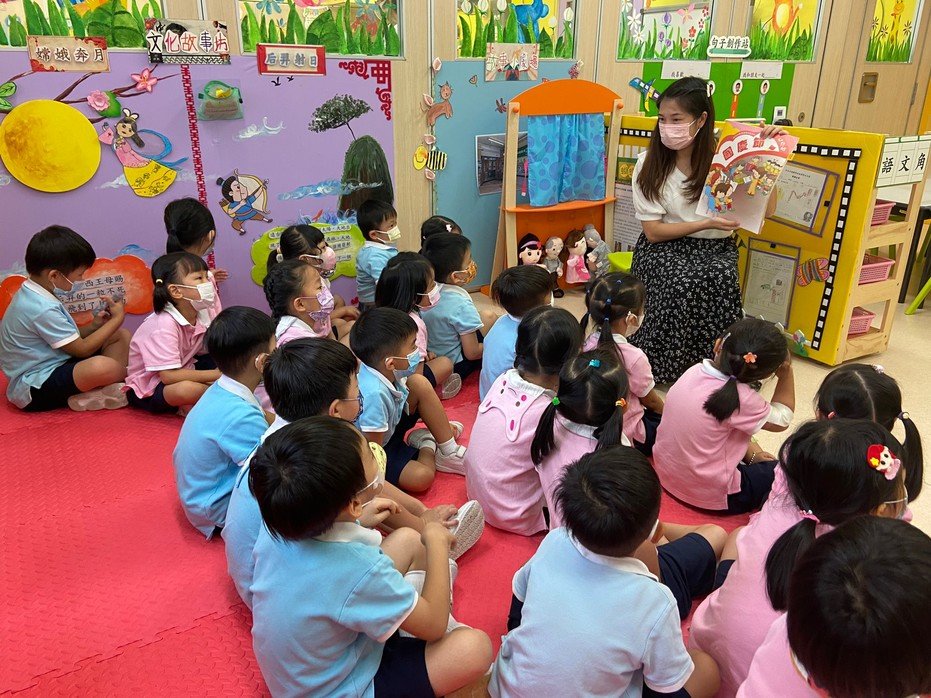
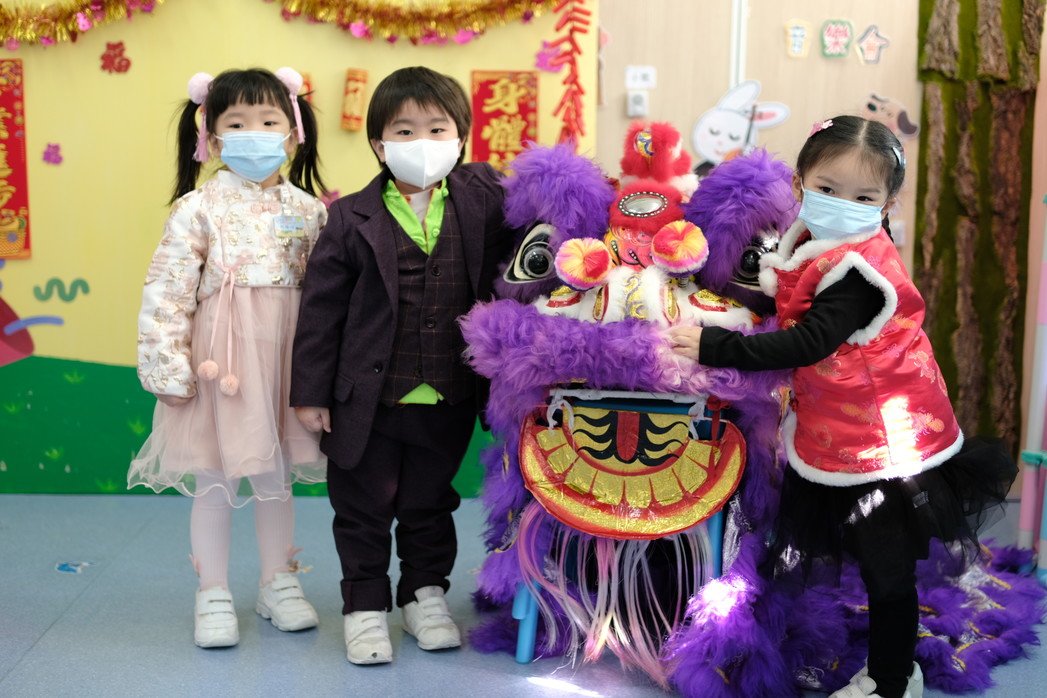
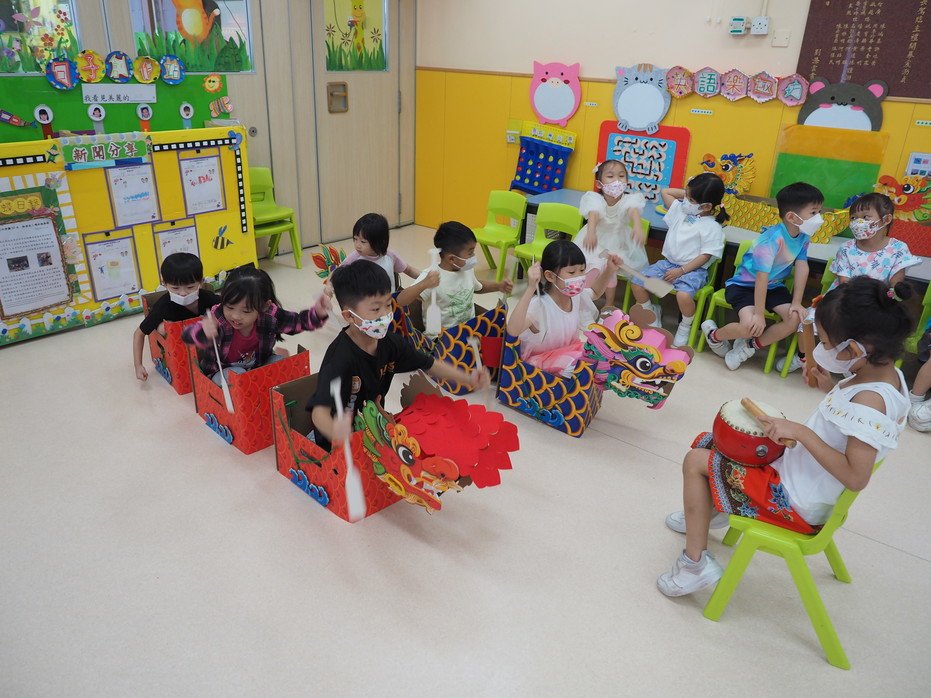
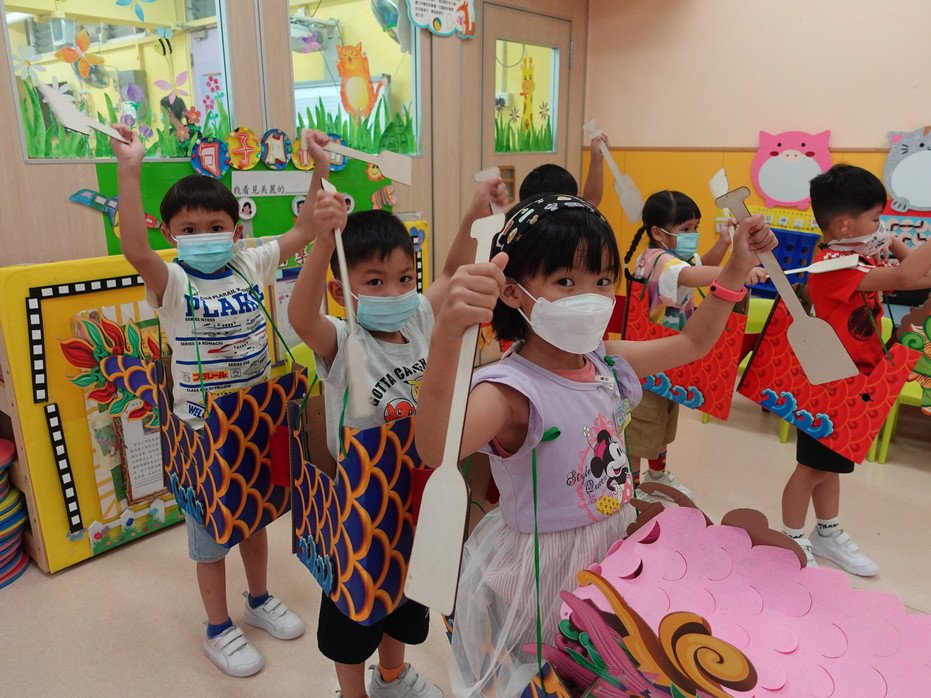
Learn Chinese culture and traditional festivals, such as Mid-Autumn Festival, Chinese New Year and Dragon Boat Festival through stories, rhymes and songs so that traditional customs can be inherited.
Through art activities such as Chinese ink painting, Chinese engraving, Chinese traditional paper cutting and food customs, so that children can have a basic understanding of the Chinese culture and their national identity.
Highlights
2022/2023
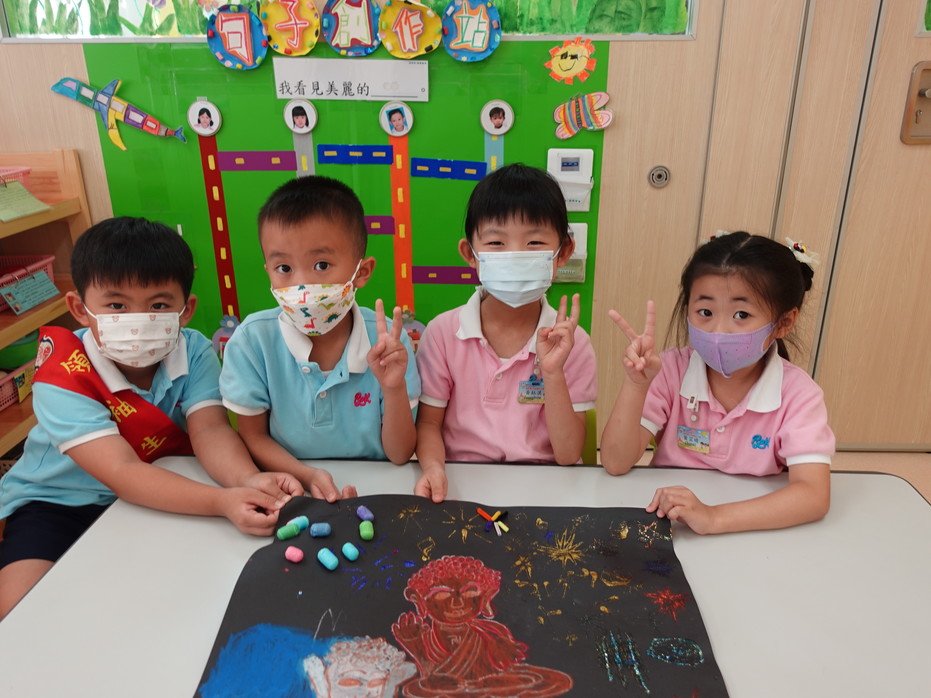
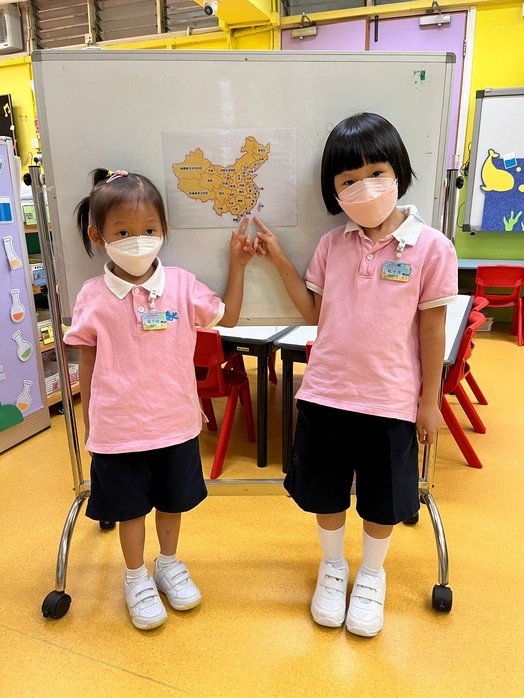
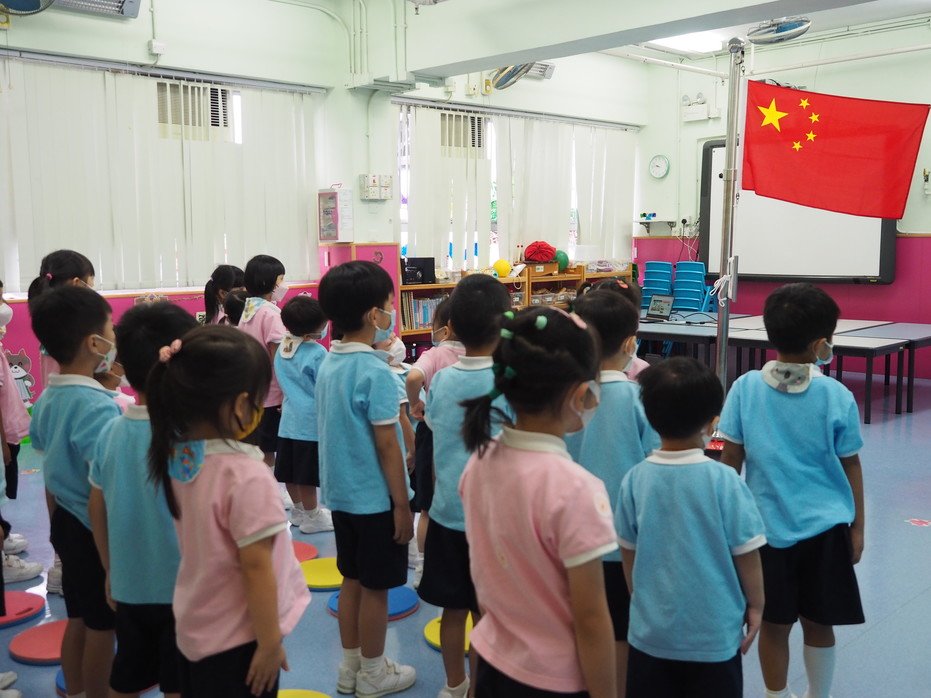
- National Day
Objectives
- To help children learn about our country and Chinese culture, and to nurture a sense of belonging towards our country.
- To cultivate a sense of belonging towards country and a sense of national identity among children.
- To teach children to become good citizens who abide by the law, take good care of public property, respect and care for others.
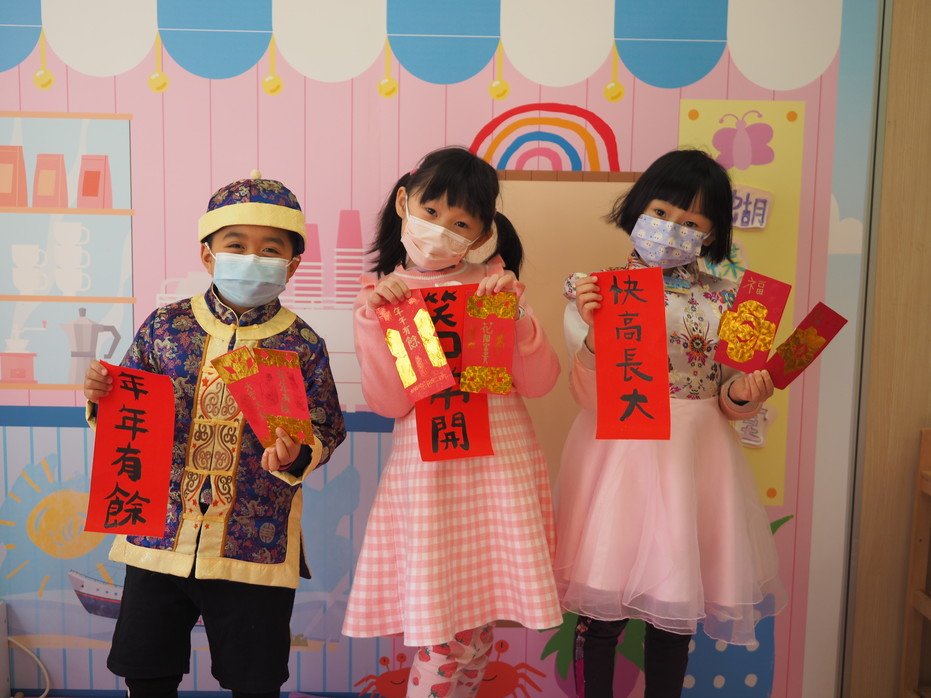
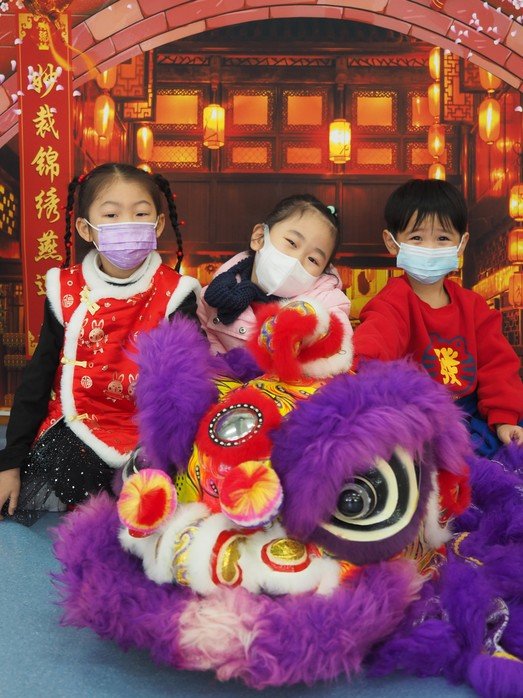
- Traditional Festival
Objectives
- To help children learn about our country and Chinese culture, and to nurture a sense of belonging towards our country.
- To cultivate a sense of belonging towards country and a sense of national identity among children.
- To teach children to become good citizens who abide by the law, take good care of public property, respect and care for others.
2023/2024
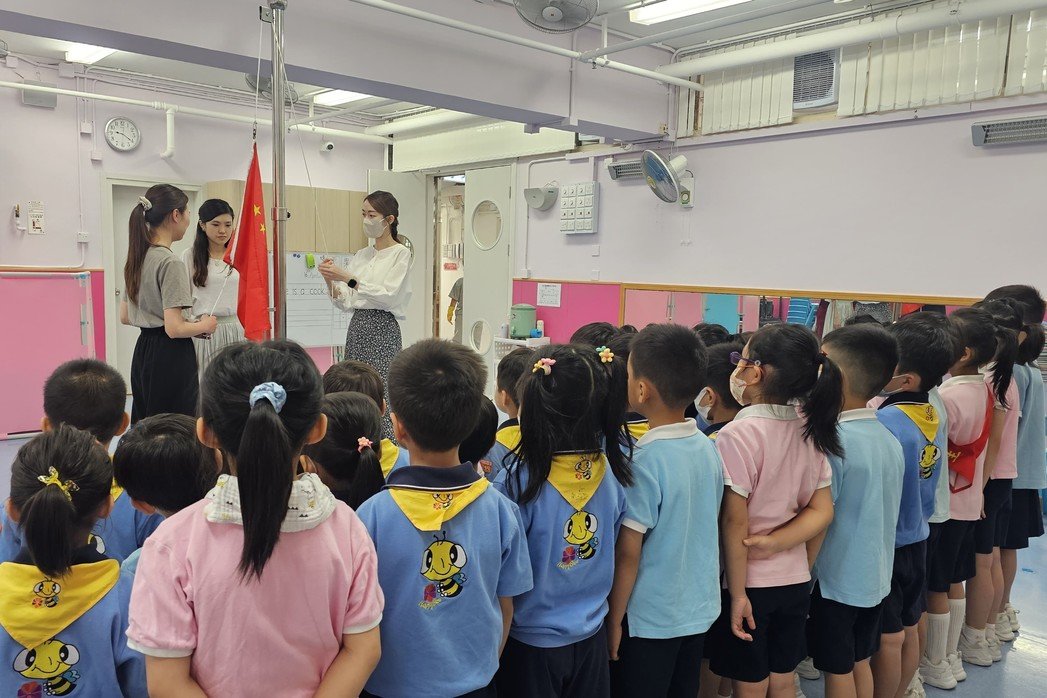
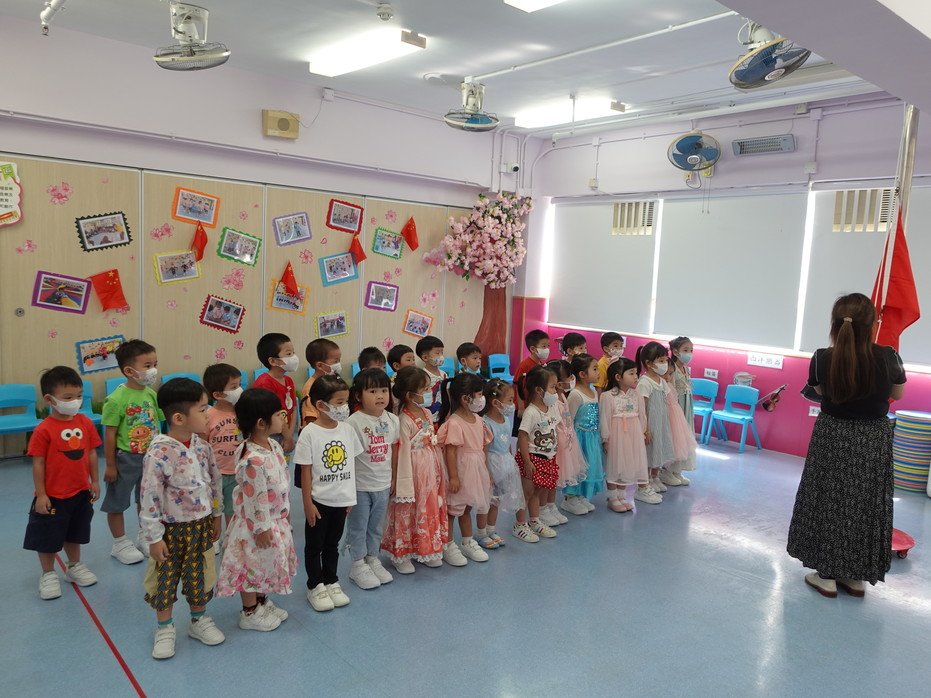
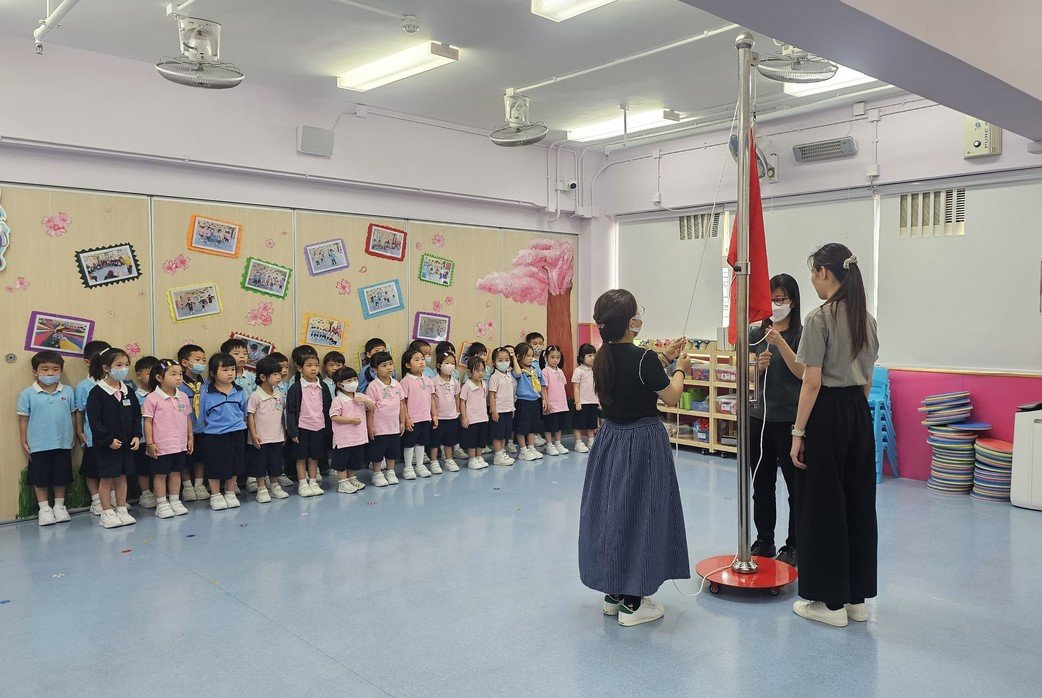
National Day
Objectives
- To help children learn about our country and Chinese culture, and to nurture a sense of belonging towards our country.
- To cultivate a sense of belonging towards country and a sense of national identity among children.
- To teach children to become good citizens who abide by the law, take good care of public property, respect and care for others.
Traditional Festival
Objectives
- To help children learn about our country and Chinese culture, and to nurture a sense of belonging towards our country.
- To cultivate a sense of belonging towards country and a sense of national identity among children.
- To teach children to become good citizens who abide by the law, take good care of public property, respect and care for others.
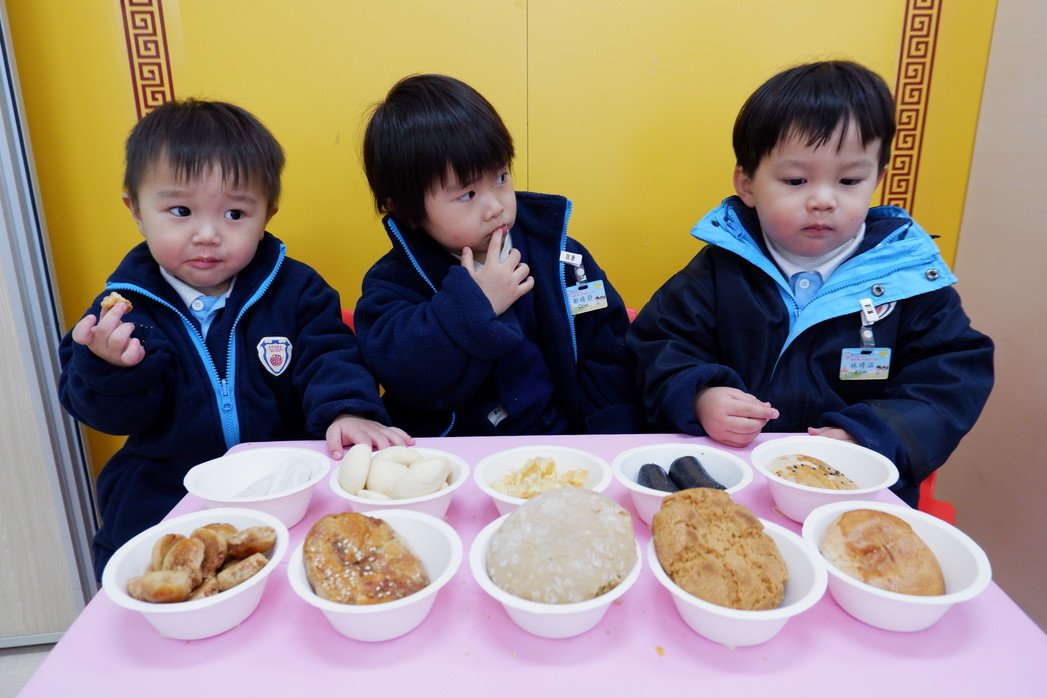
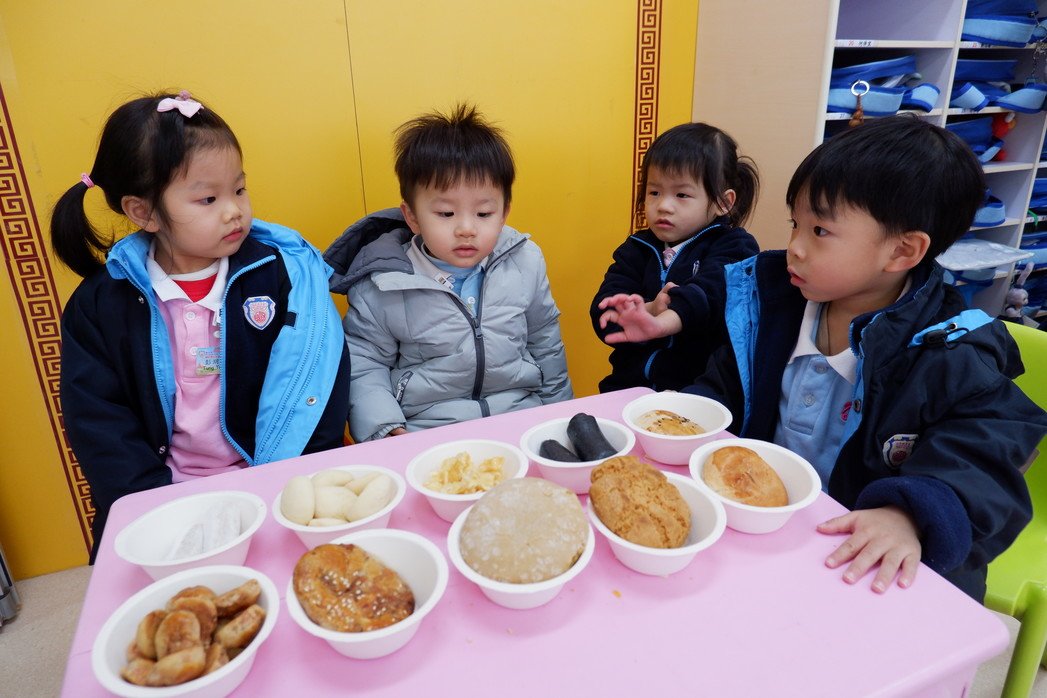
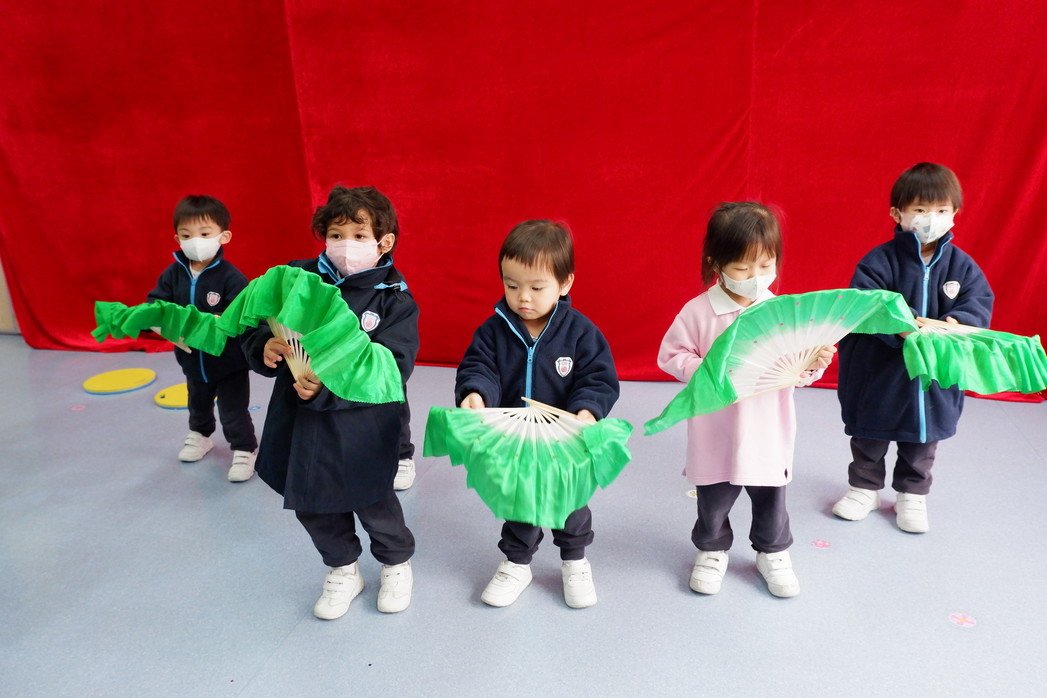
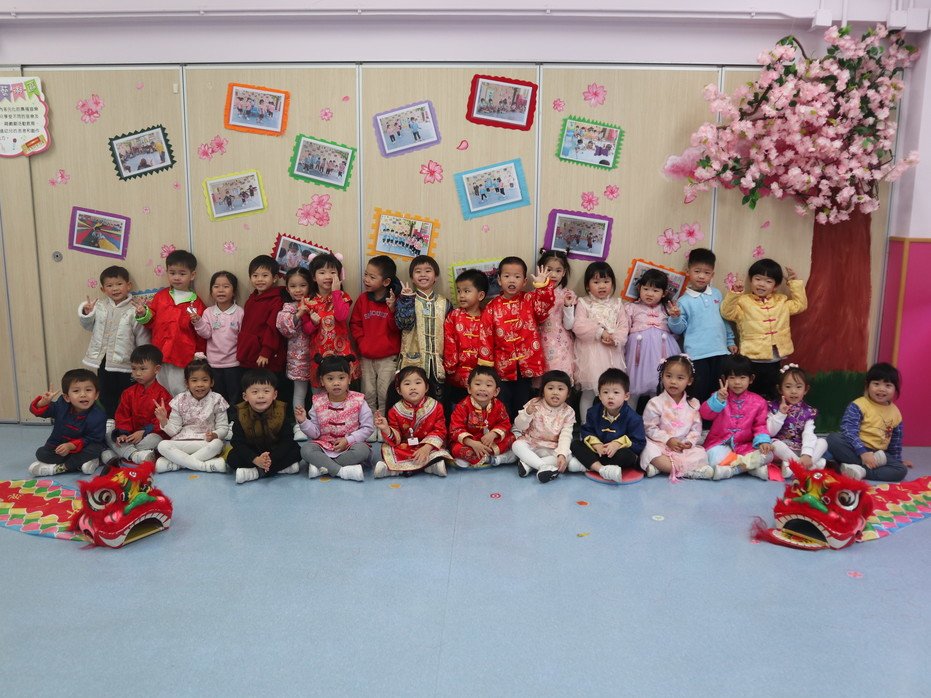
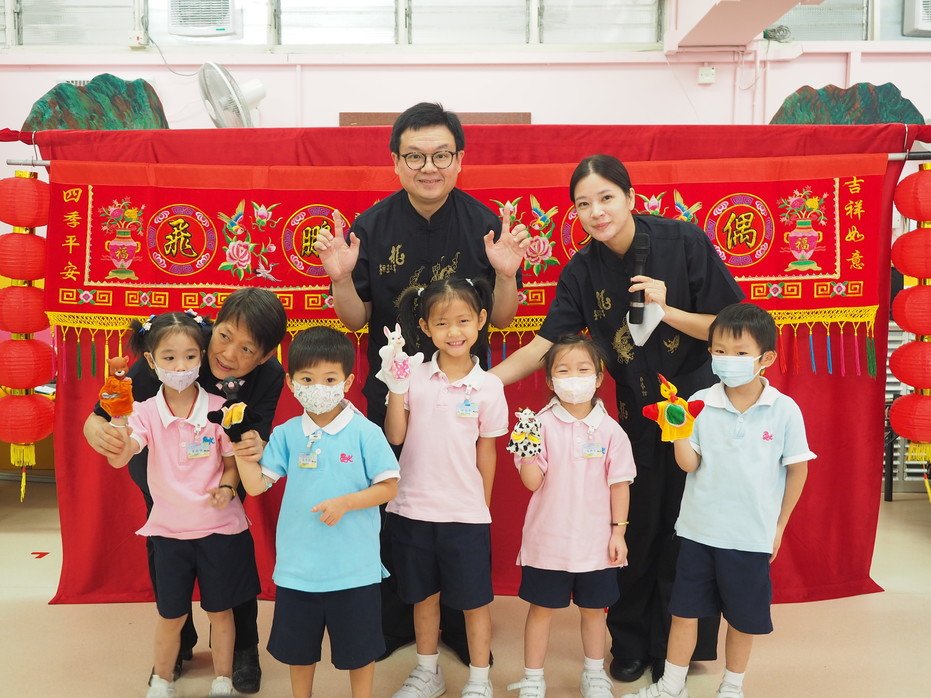
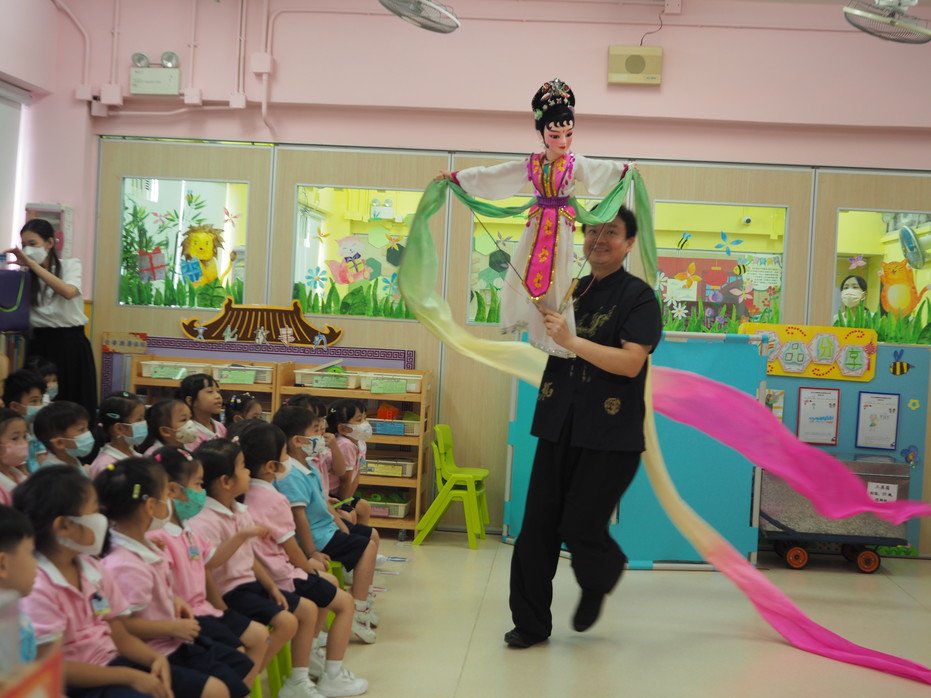
Chinese Culture Week
Objectives
- To help children learn about our country and Chinese culture, and to nurture a sense of belonging towards our country.
- To cultivate a sense of belonging towards country and a sense of national identity among children.
- To teach children to become good citizens who abide by the law, take good care of public property, respect and care for others.
2024/2025
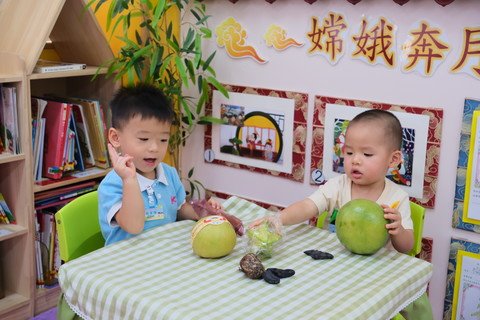
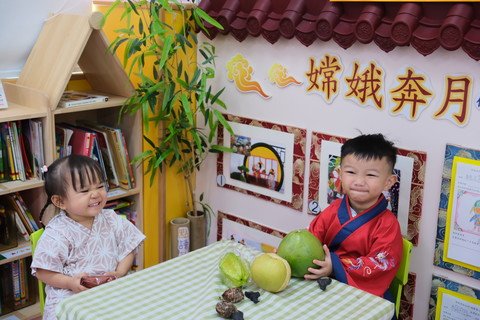
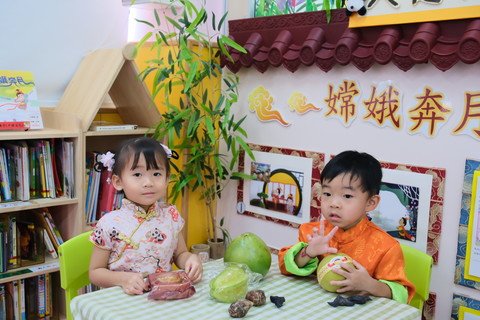
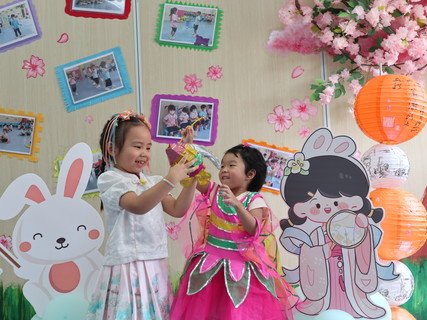
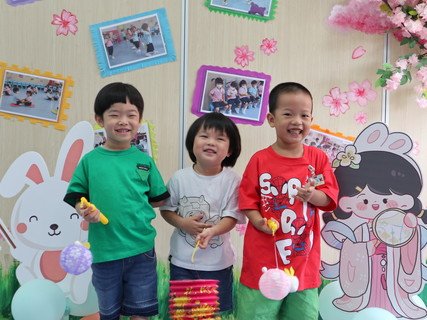
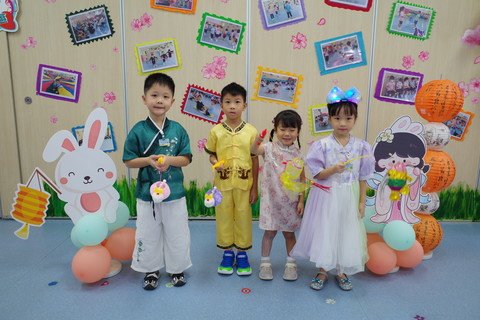
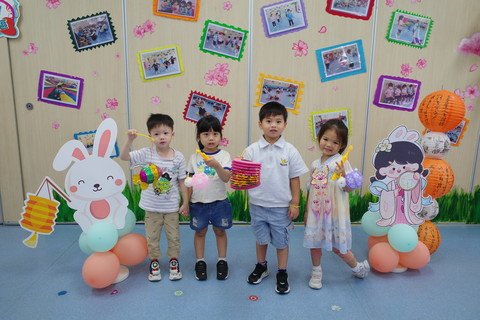
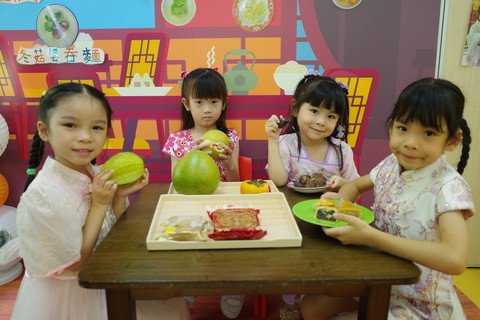
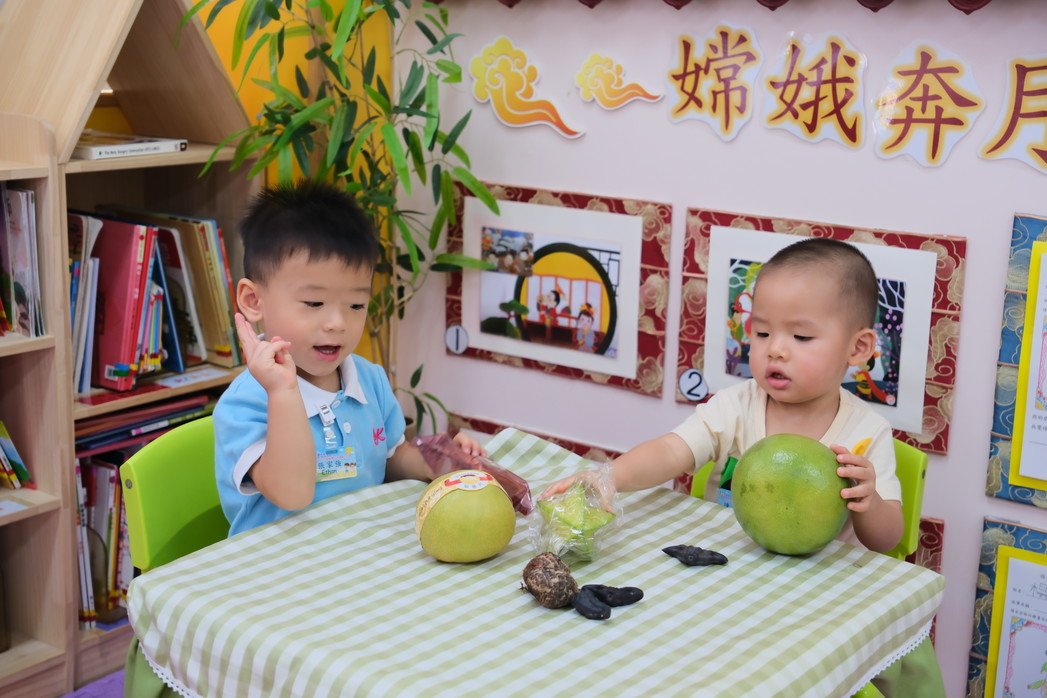
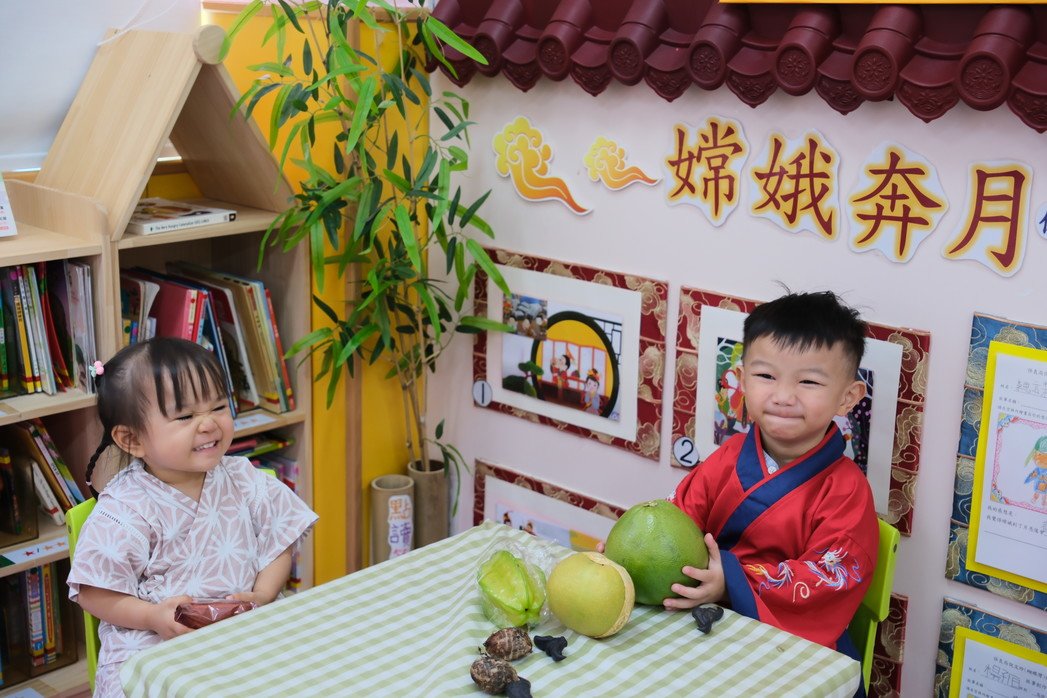
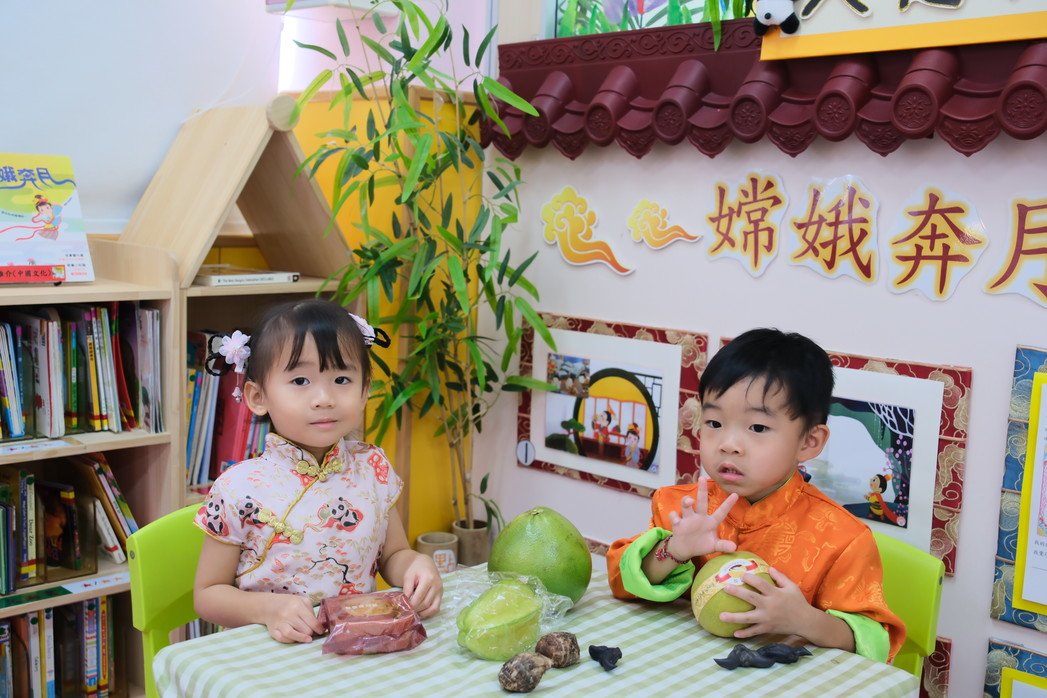
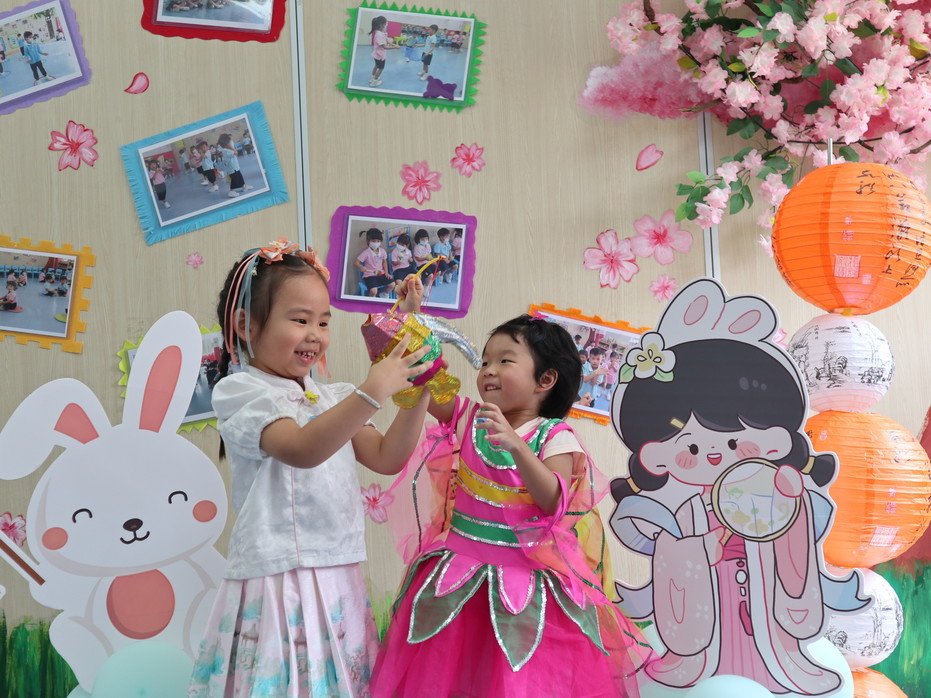
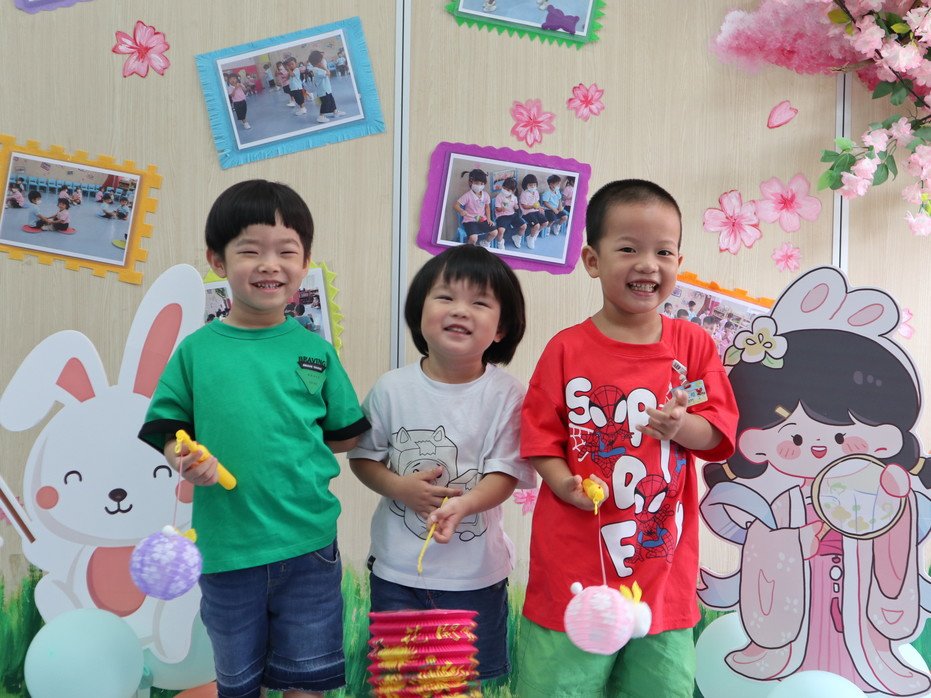
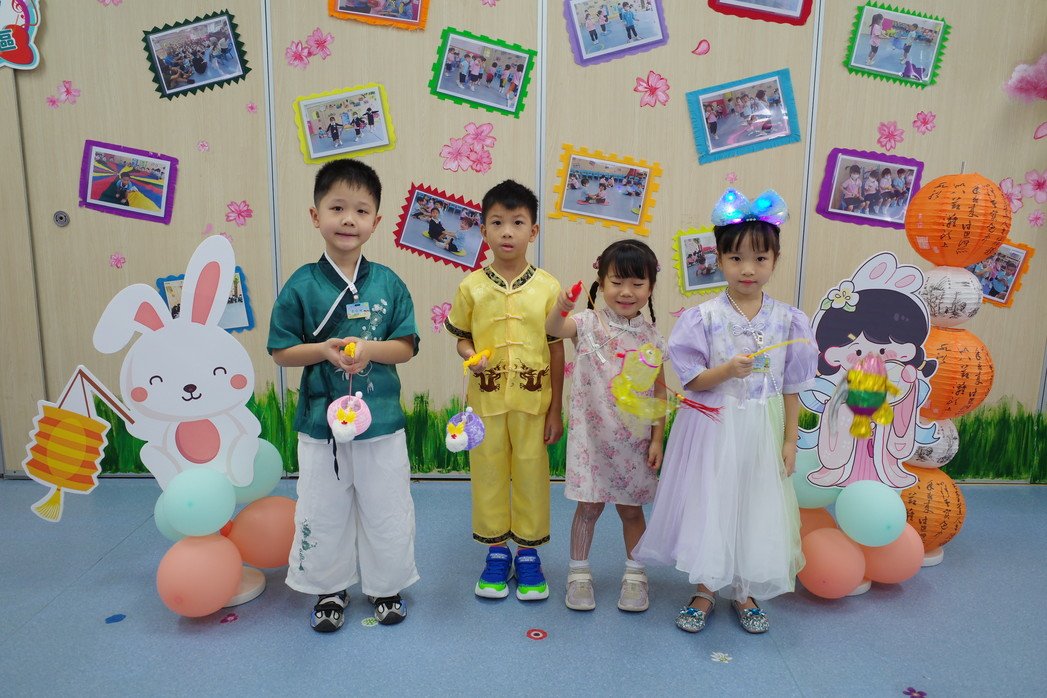
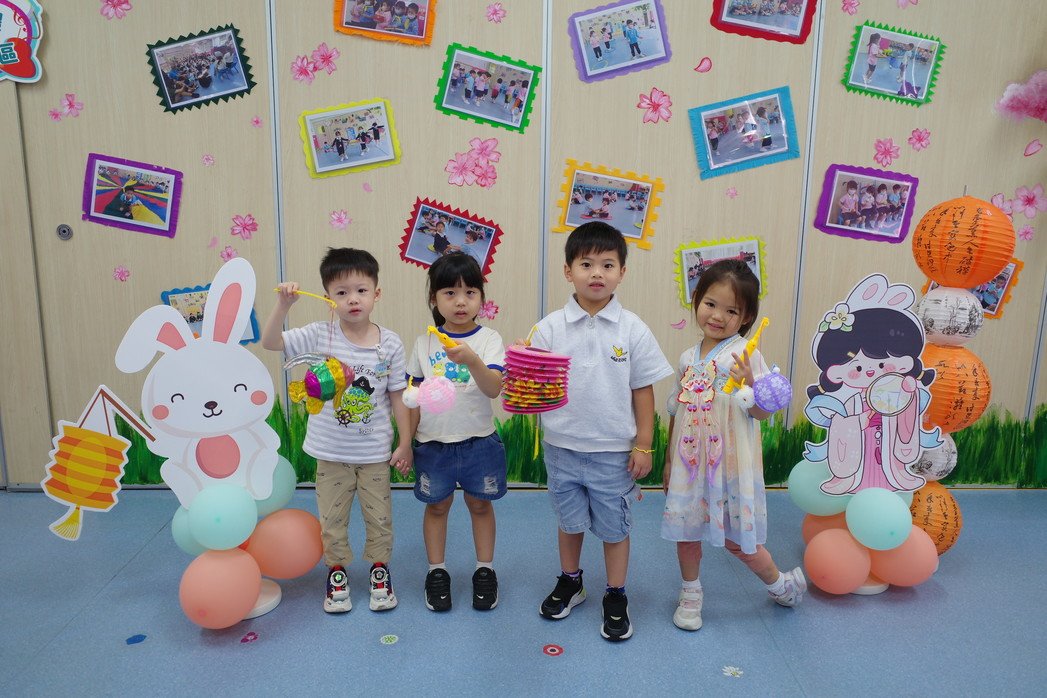
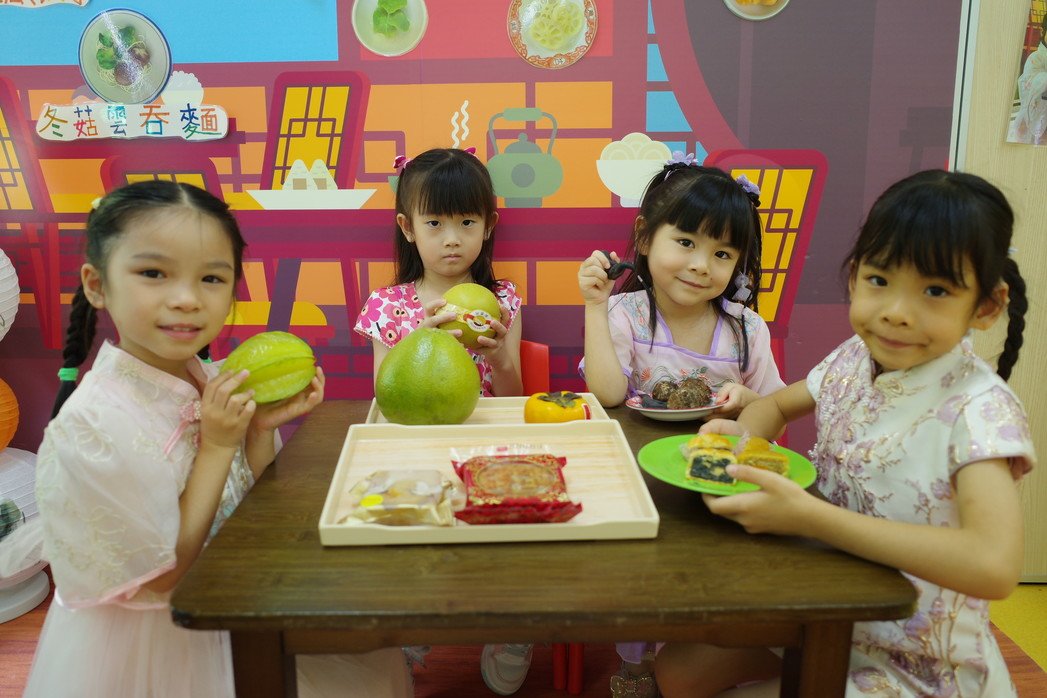
A Joyful Mid-Autumn Festival Celebration
Objectives
Introduce young children to traditional Mid-Autumn Festival customs, such as moon gazing, solving lantern riddles, and tasting mooncakes, to help them understand the cultural significance and deepen their appreciation of Chinese culture.
Enhance children's creativity and teamwork skills through parent-child lantern making and participation in related activities.
Foster children's interest in and respect for traditional Chinese festivals, while promoting parent-child interaction.
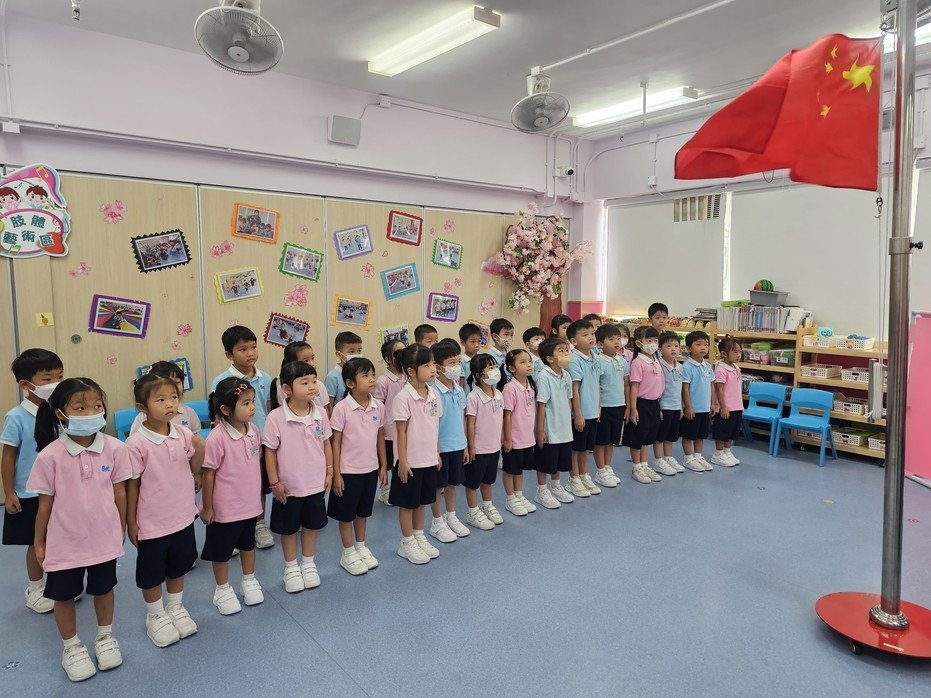
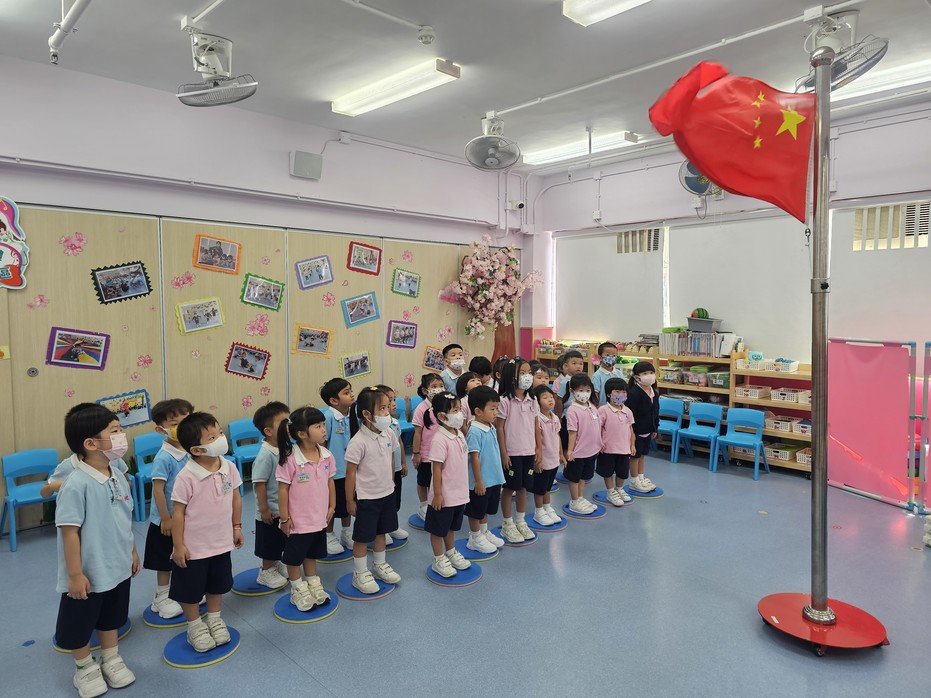
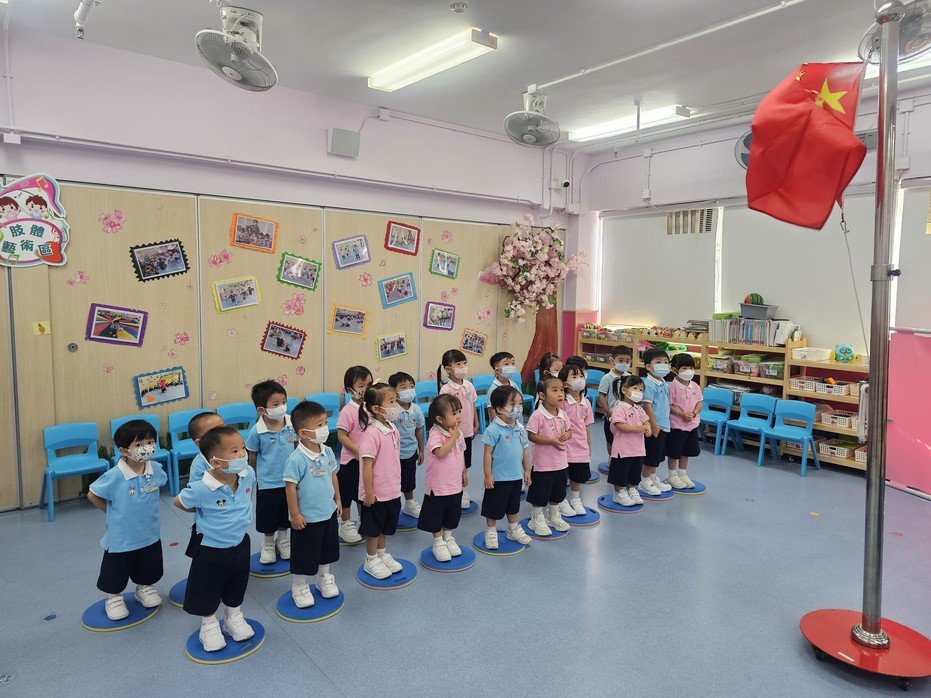
Celebrating the 75th National Day
Objectives
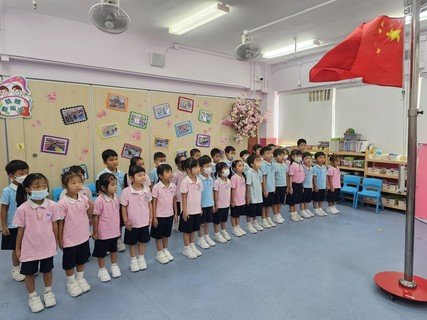
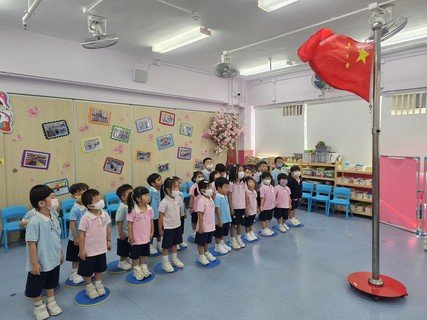
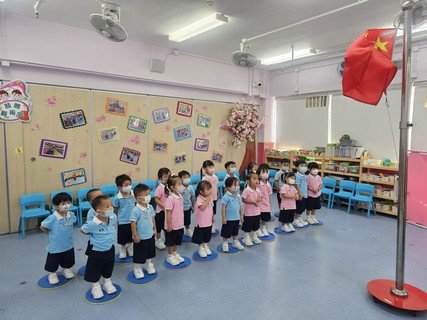
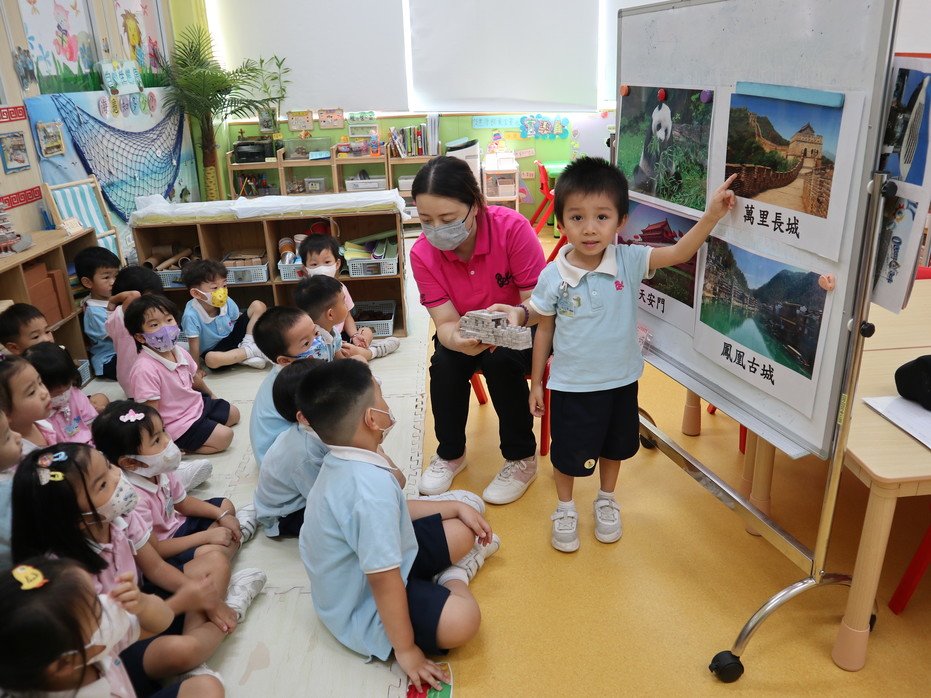
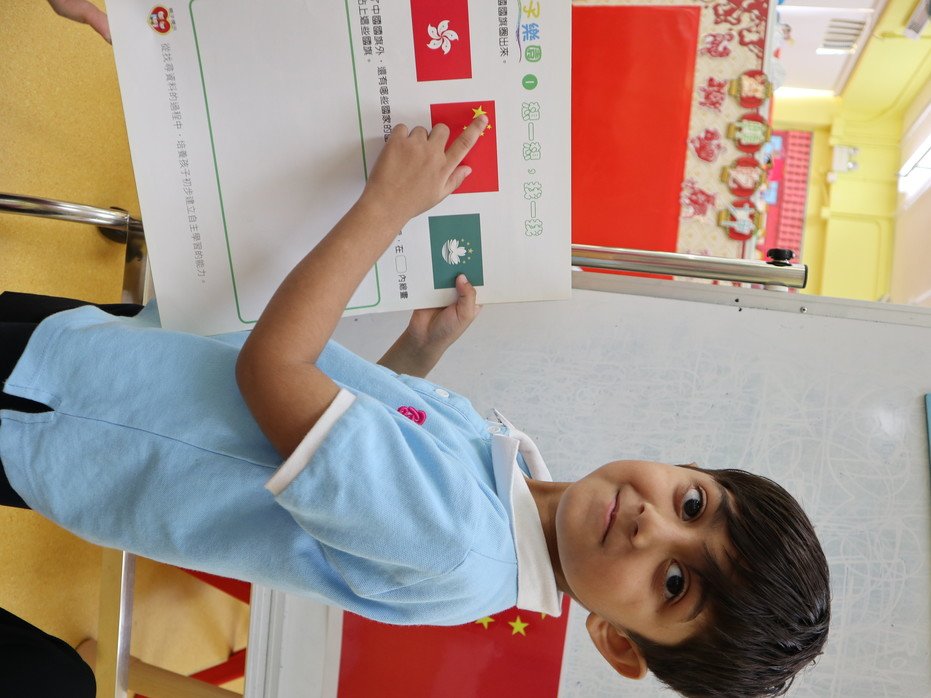
Understand that 1st October is the National Day of the People's Republic of China and learn about the background of this holiday.
Recognise the shape, colours, and the symbolic meaning of the five stars on the Chinese national flag.
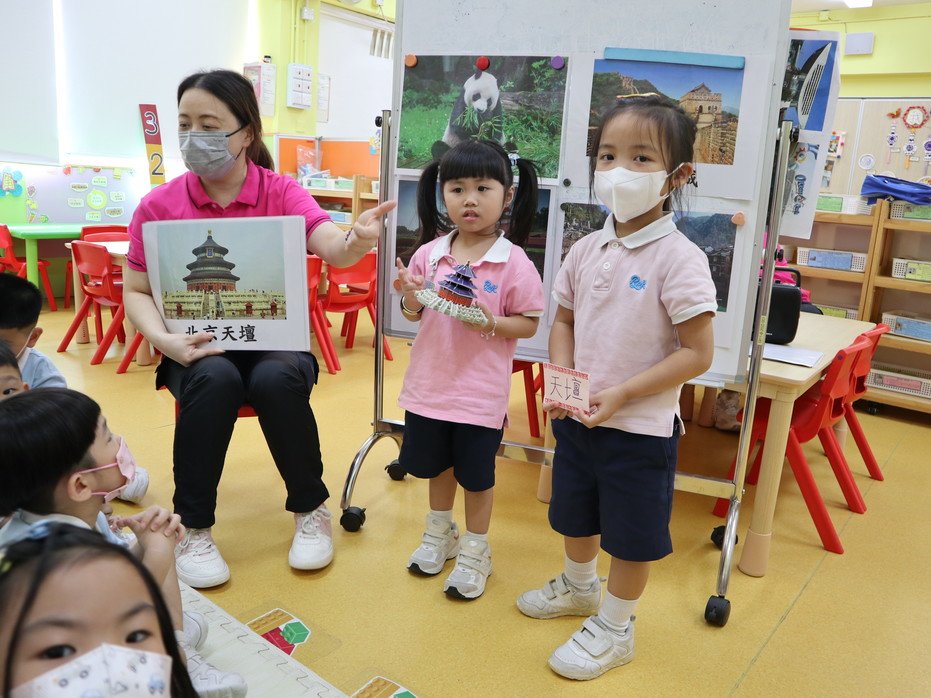
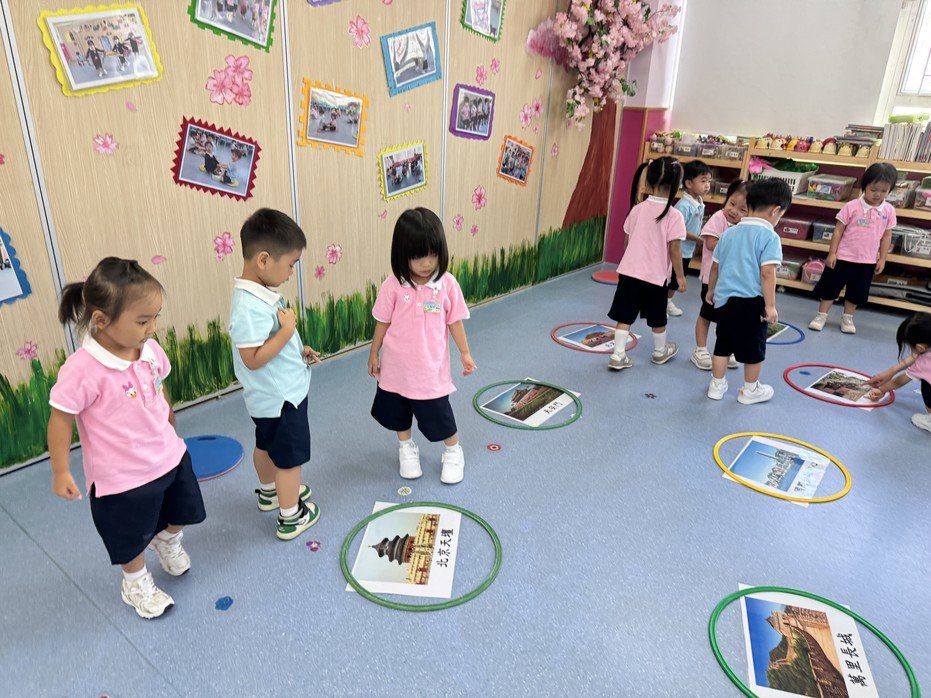
Become familiar with the map of China and cultural elements such as the national treasure, the giant panda.
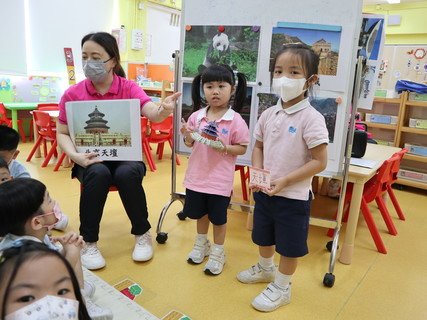
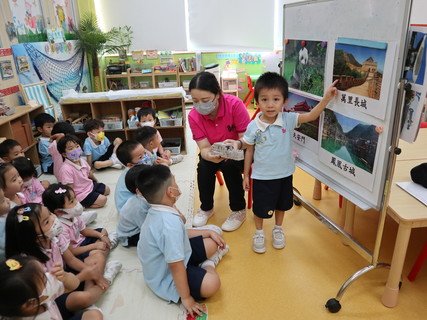
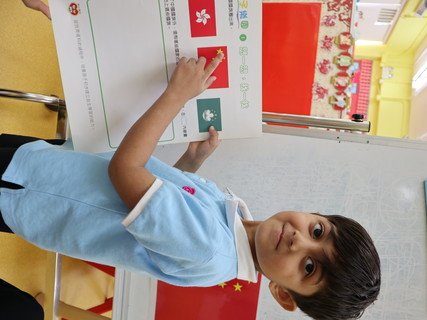
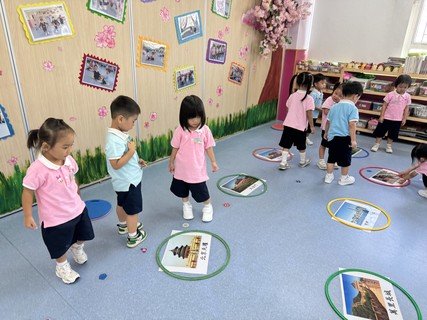
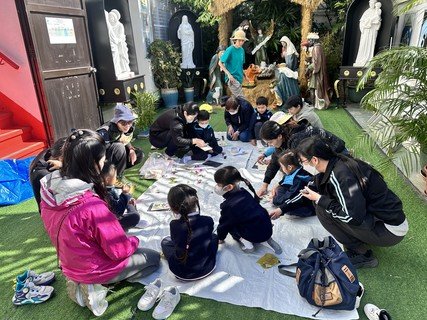
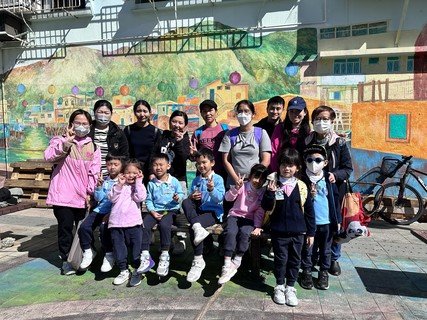
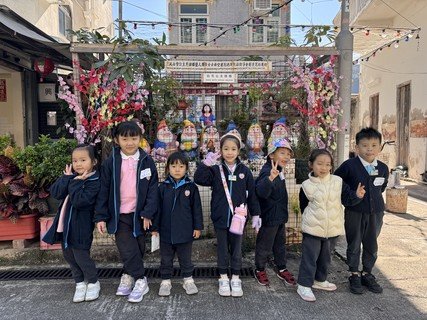
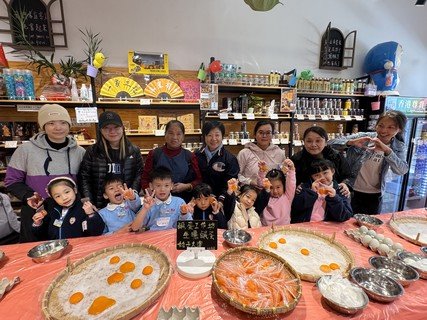
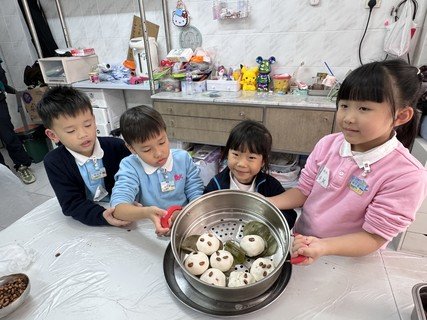
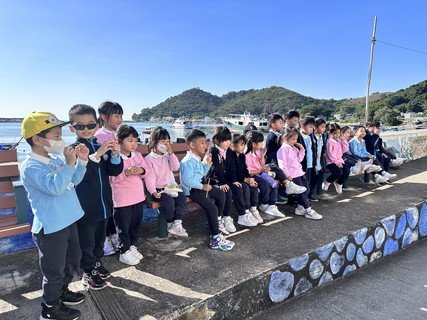
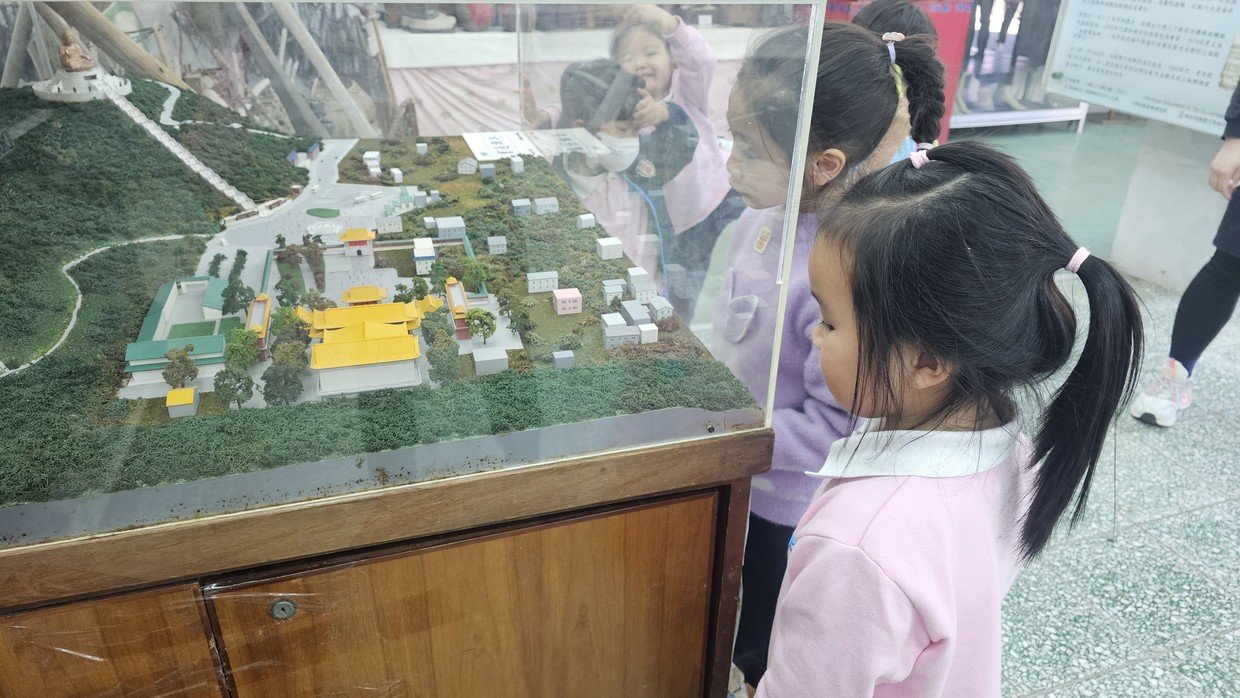
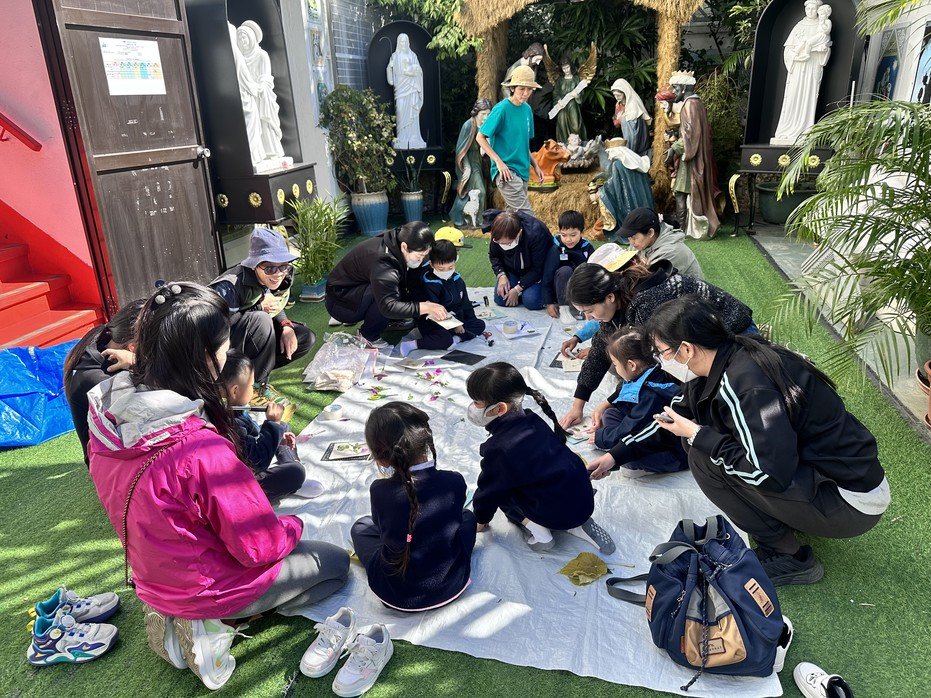
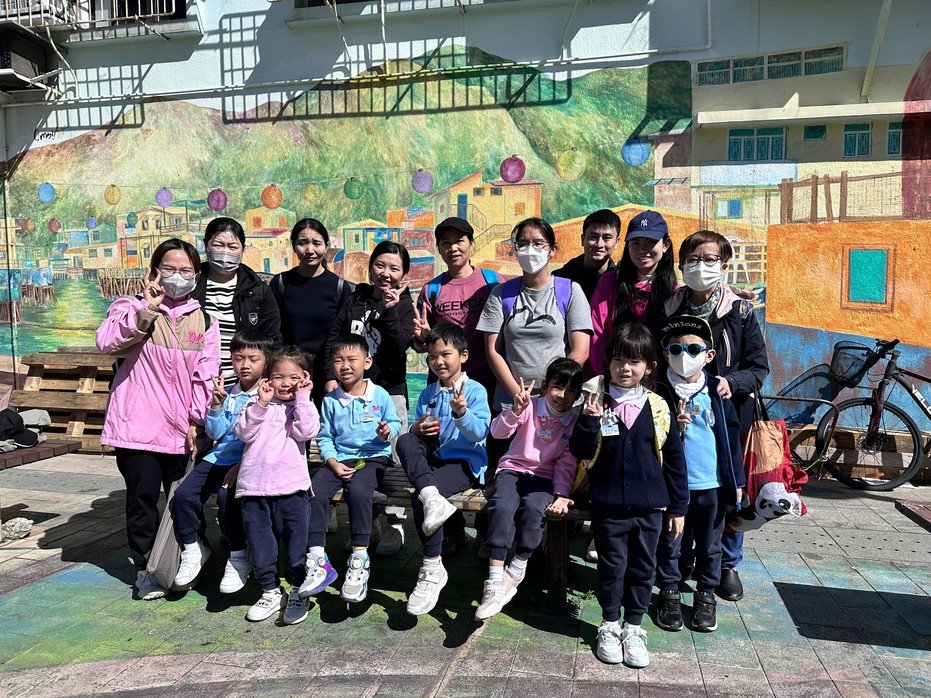
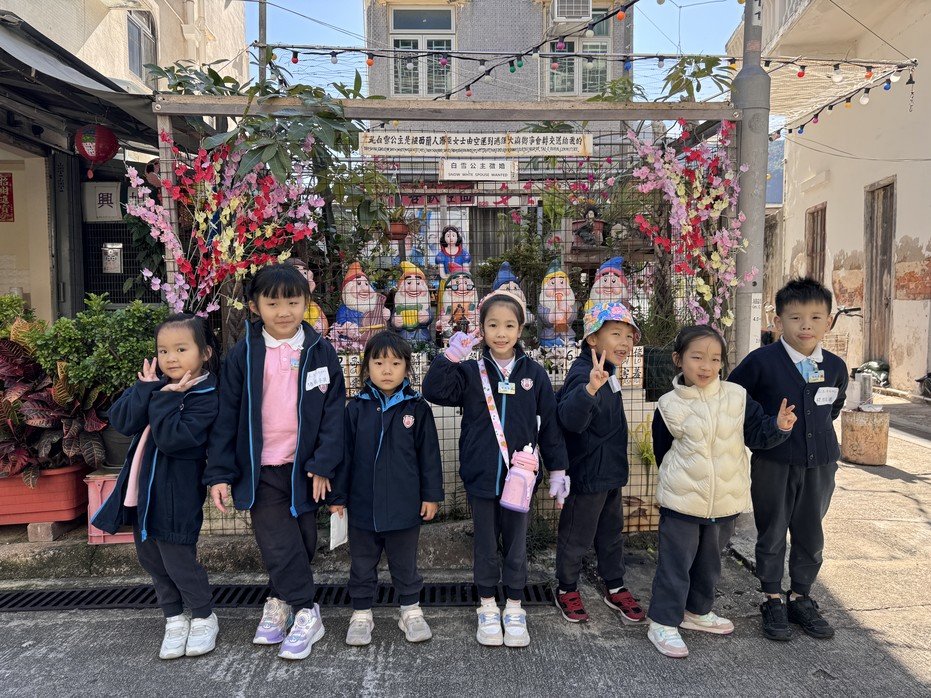
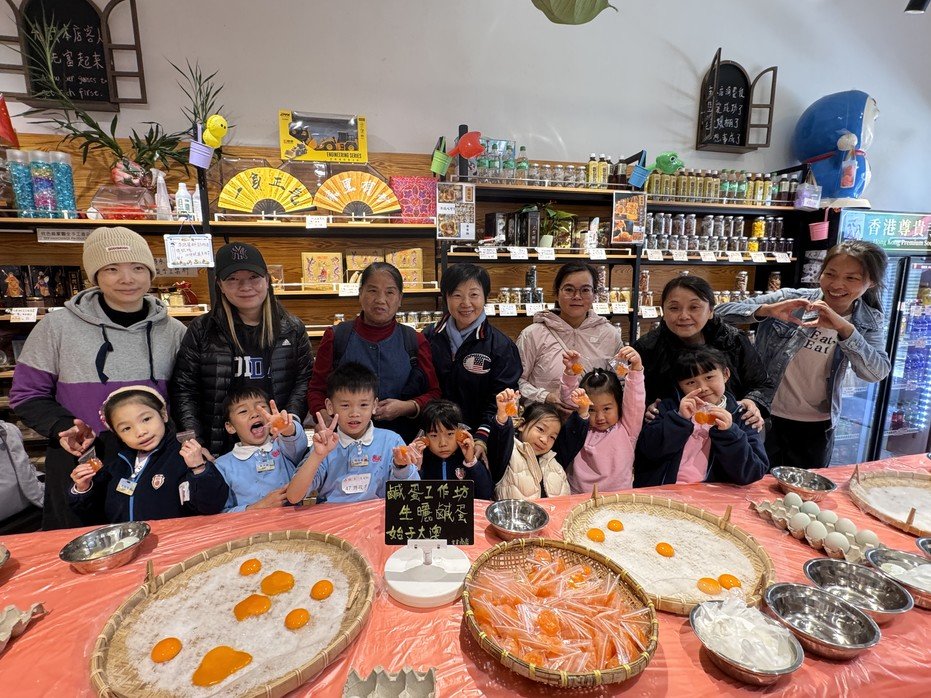
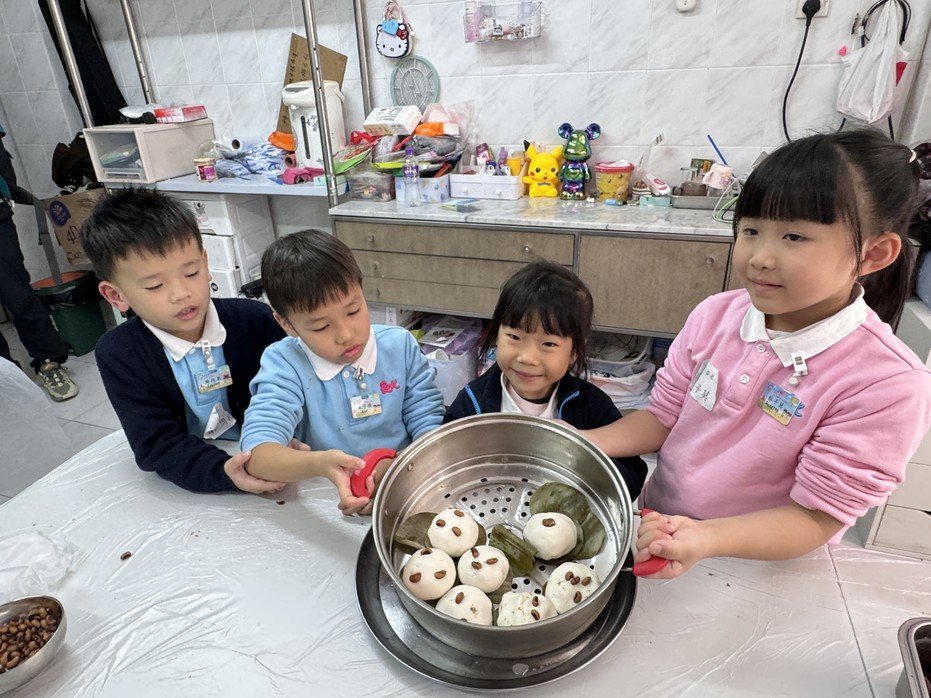
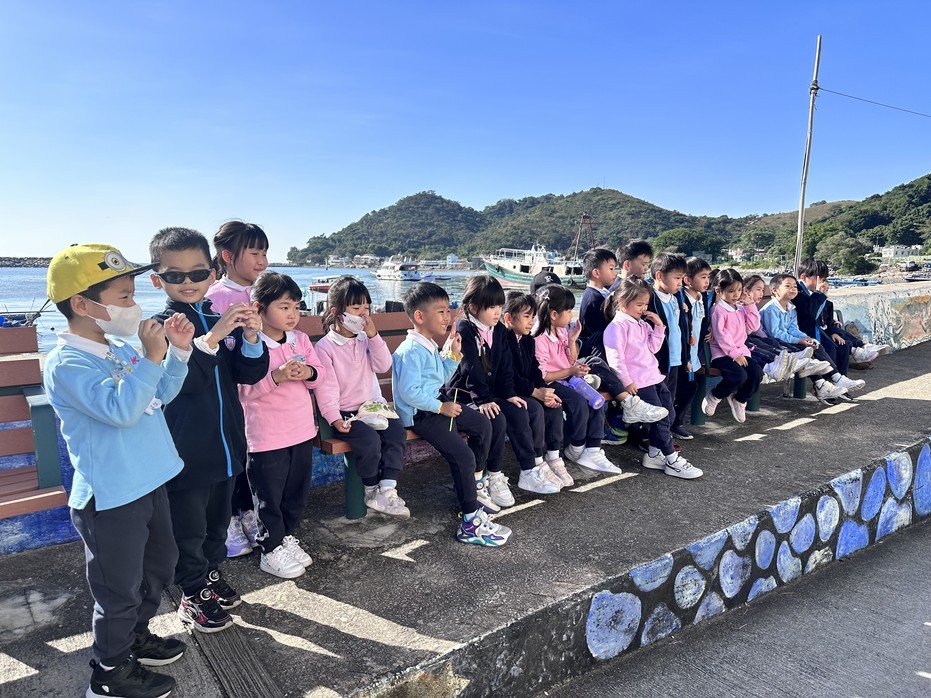
Exploring Chinese Culture – Tai O
Objectives
Learn about the traditional fishing village culture of Tai O, including stilt houses and other traditional Chinese architectural styles, along with their historical background.
Enhance young children’s creative expression through hands-on activities such as making Chinese pastries and drying salted eggs.
Inspire interest and respect for traditional Chinese culture among children and their parents, fostering a stronger sense of identity with Hong Kong’s local culture.
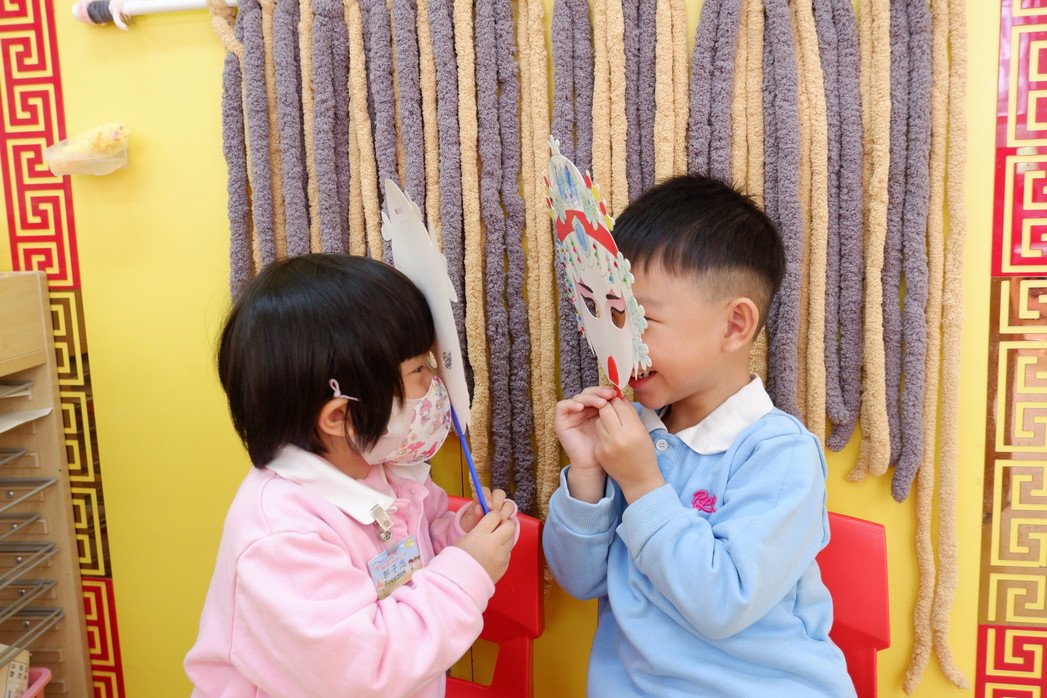
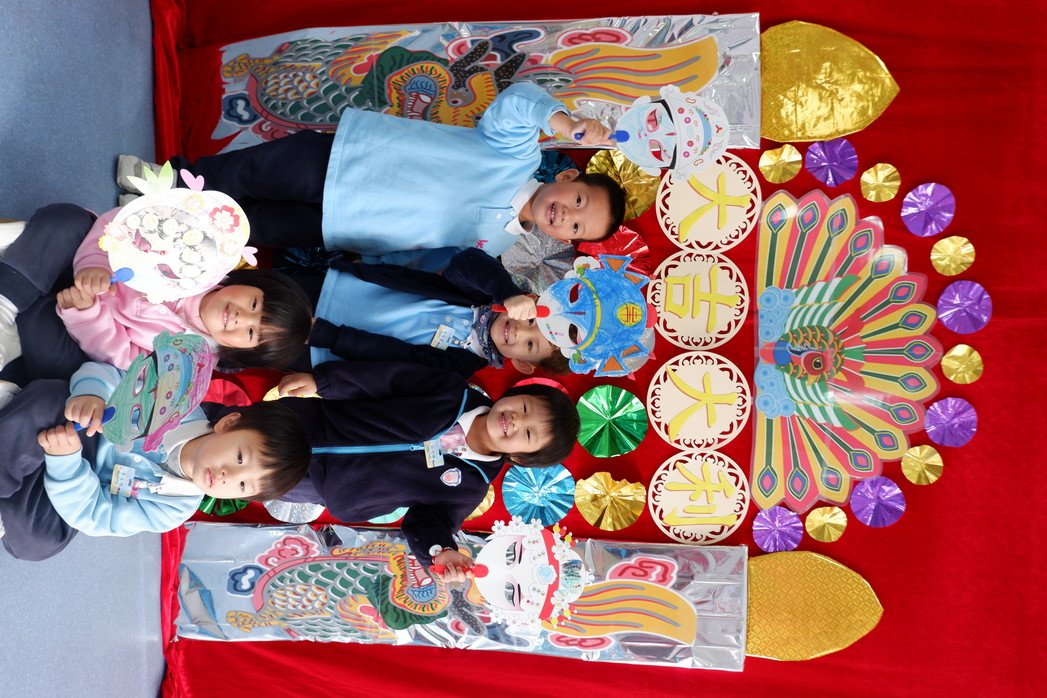
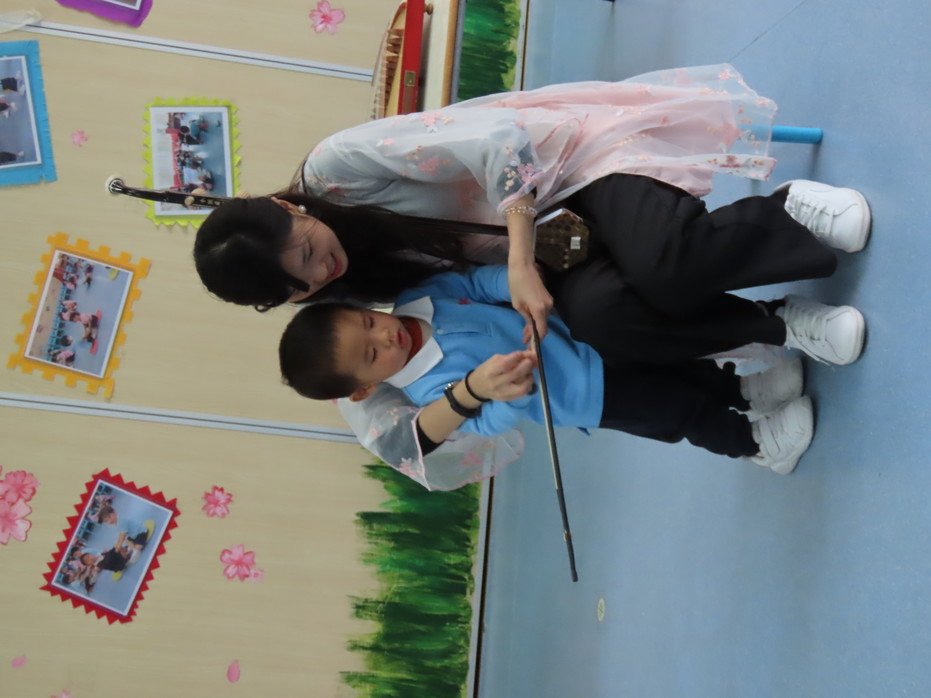
Chinese Culture Week
Objectives
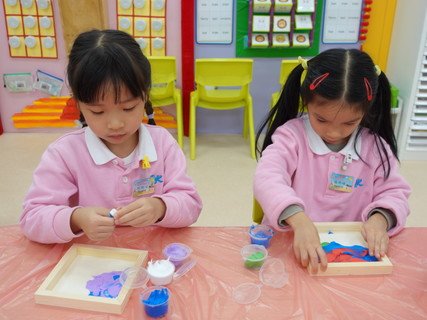
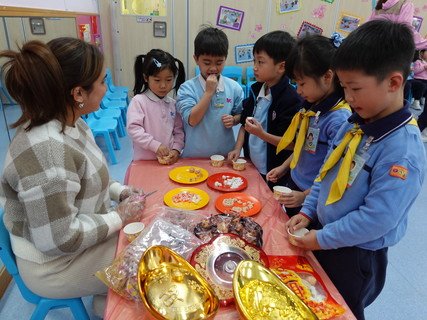
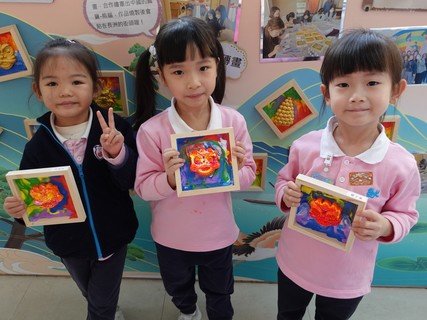
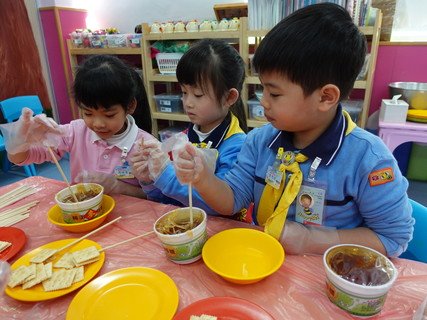
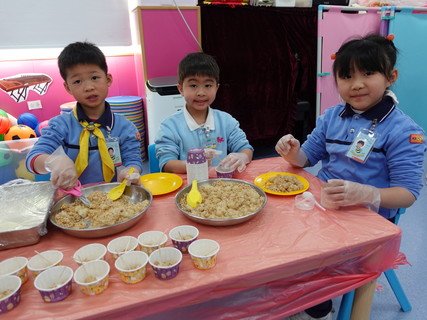
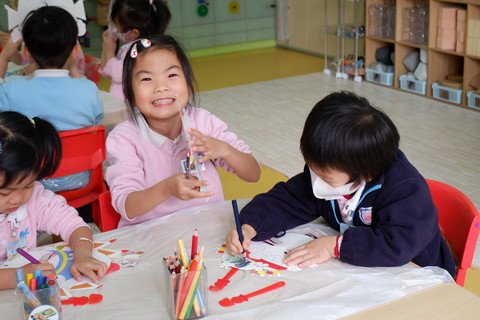
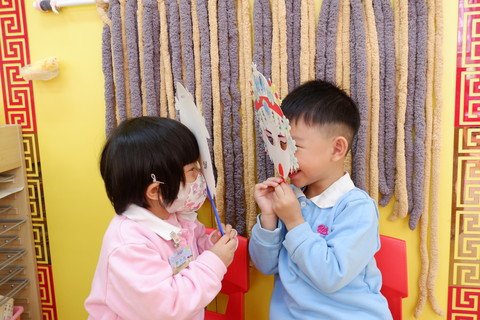
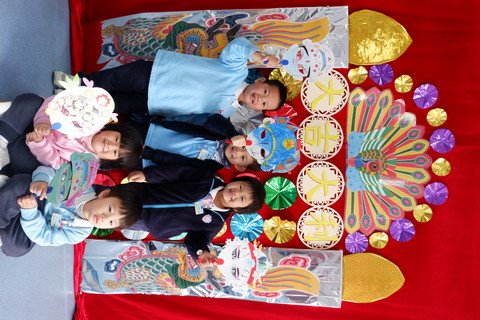
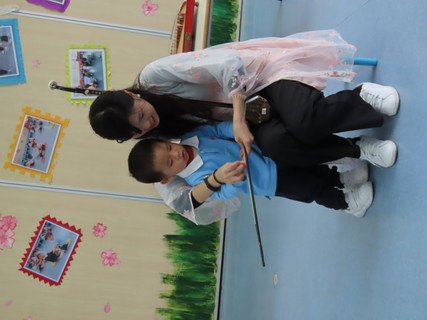
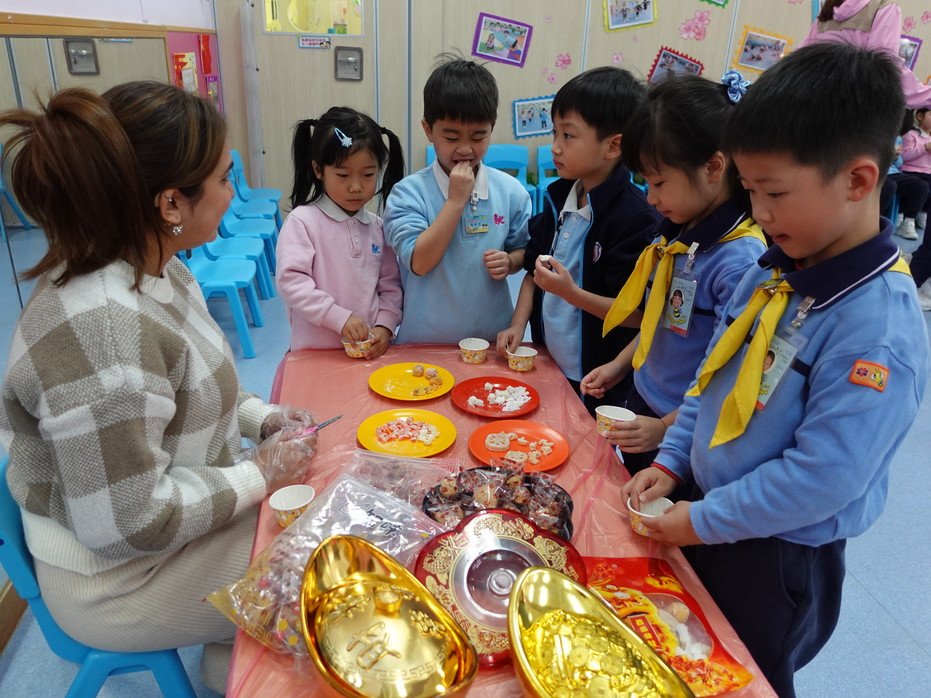
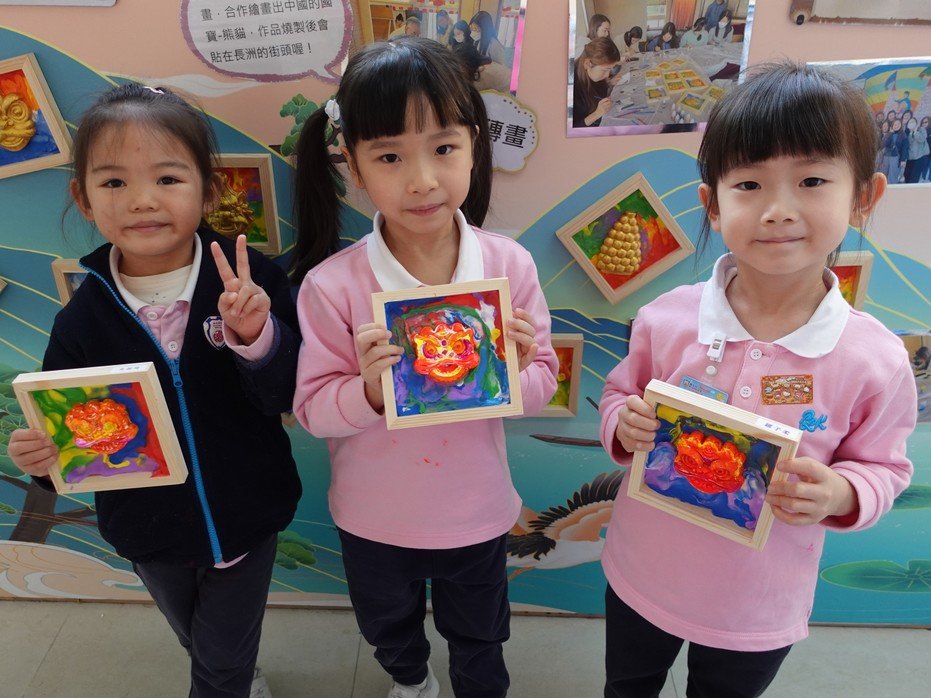
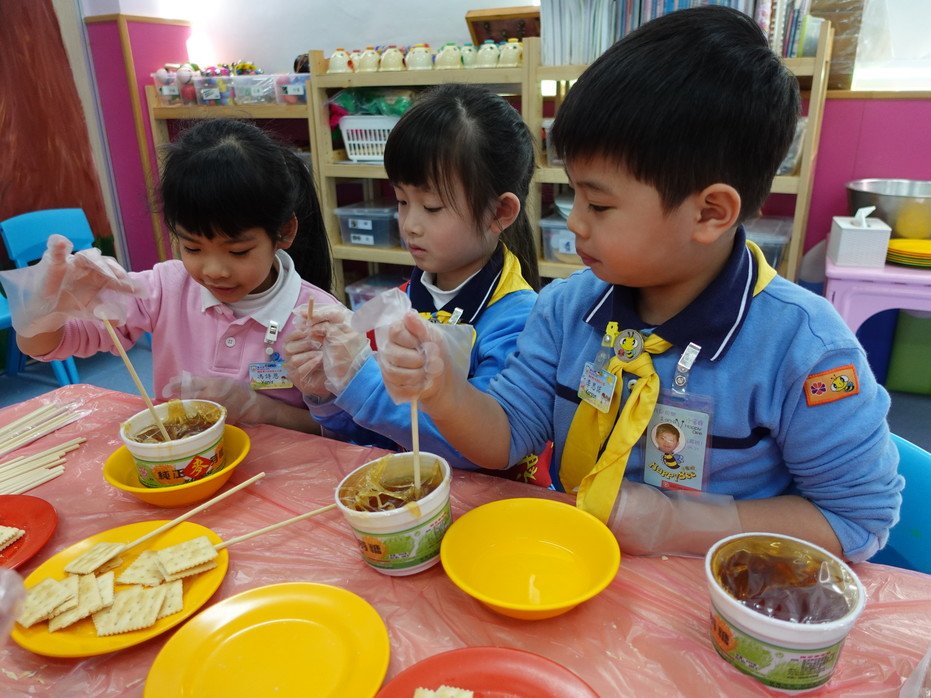
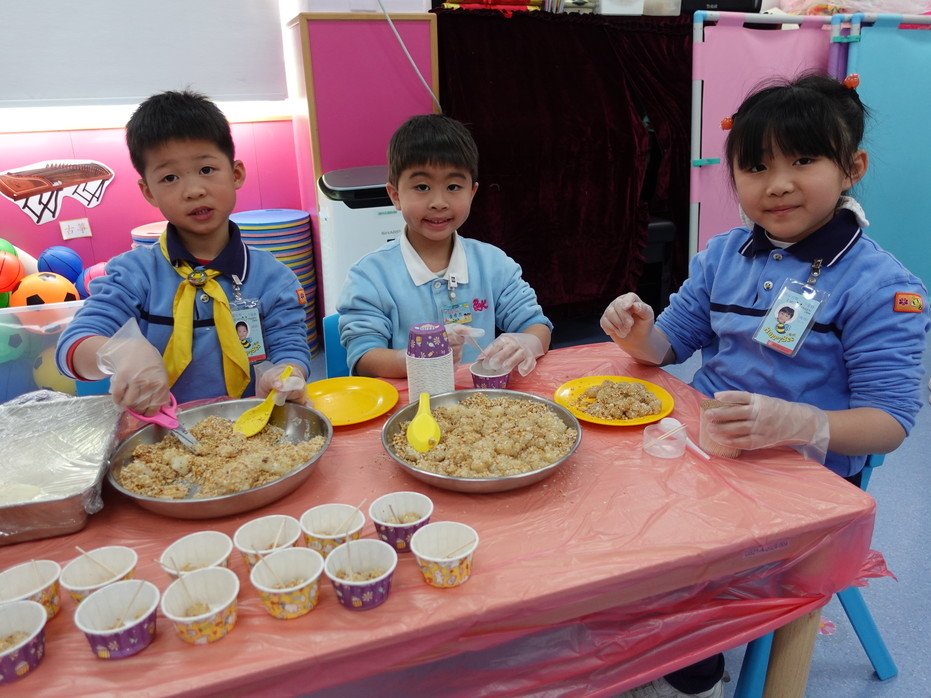
Learn about traditional Chinese arts (such as Cantonese opera, music, and carving) and New Year customs (such as snacks and festive activities).
Understand the preparation methods of traditional festival foods to enhance knowledge of Chinese culinary culture.
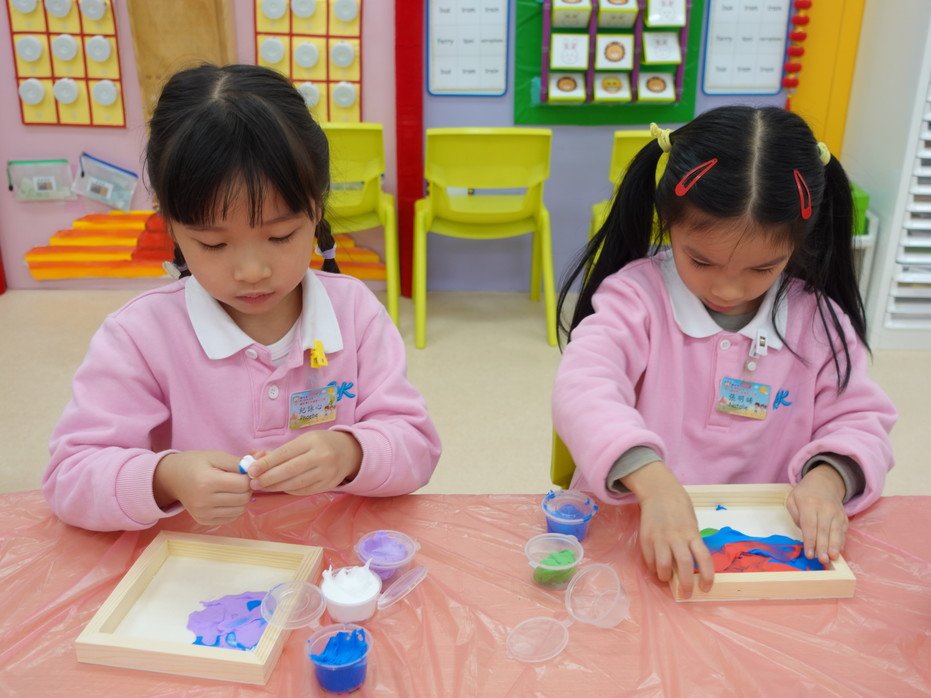
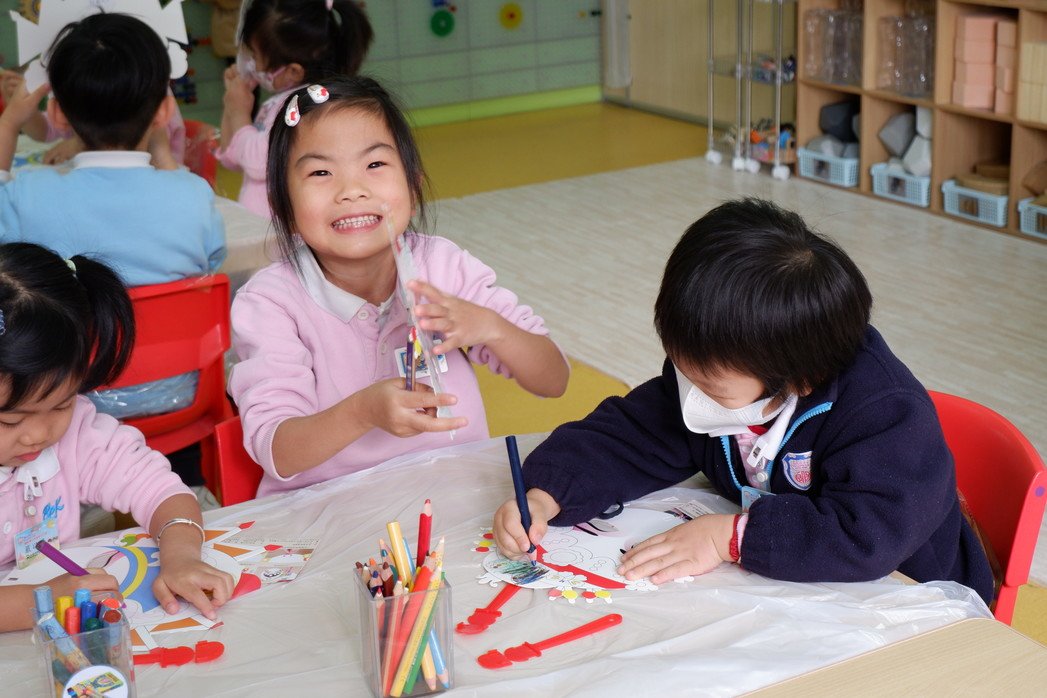
Through making Cantonese opera masks, three-dimensional reliefs, and traditional snacks, improve young children's hand-eye coordination and creative expression.
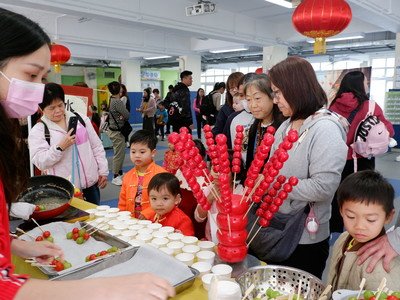
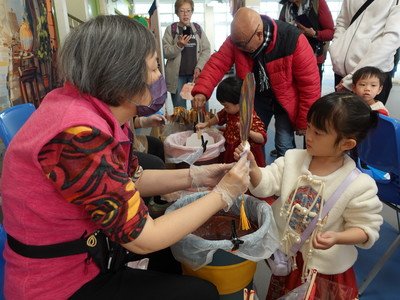
Celebrating the New Year
Objectives
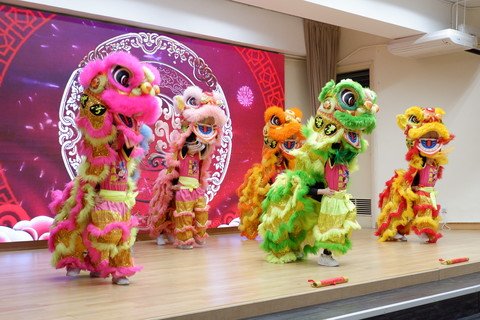
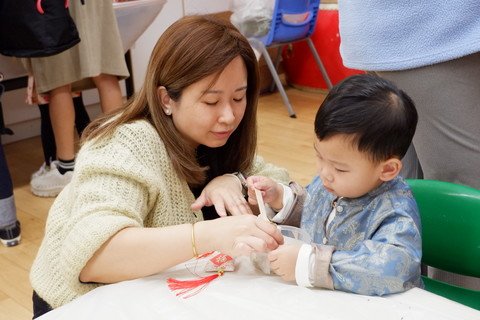
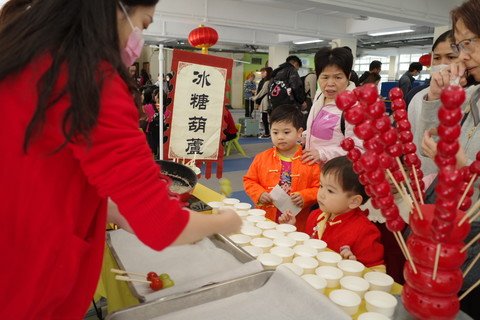
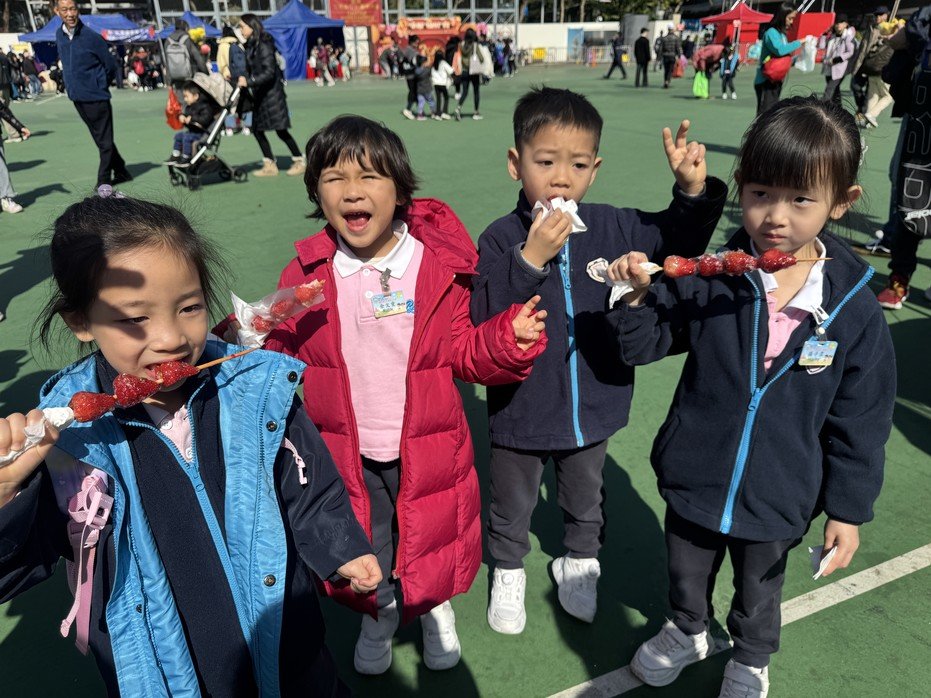
Learn about the traditional customs of the Chinese Lunar New Year, such as lion dancing, making sachets, and sugar painting, and understand their symbolic meanings in Chinese culture (such as blessings and reunion).
Enhance young children's handicraft skills and parent-child cooperation through participation in creative stall activities.
Promote interest and respect for Lunar New Year culture among children and parents, fostering a love for traditional Chinese festivals.
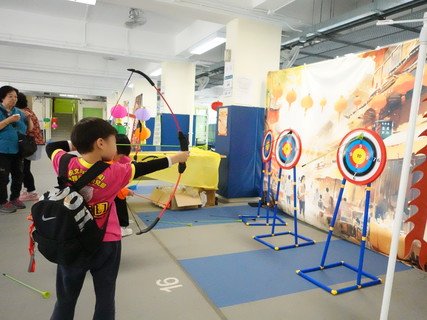
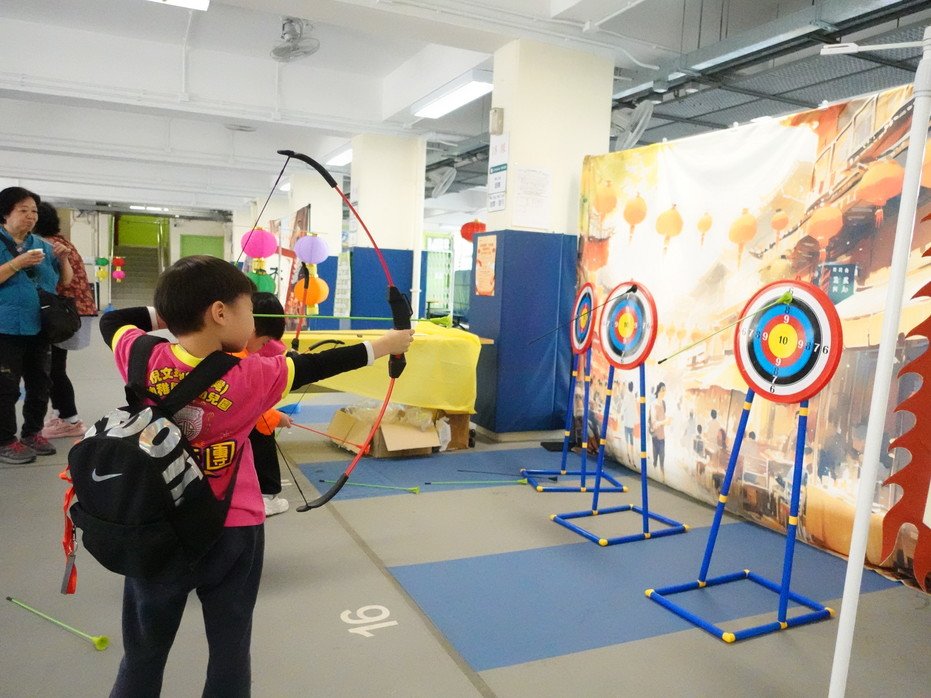
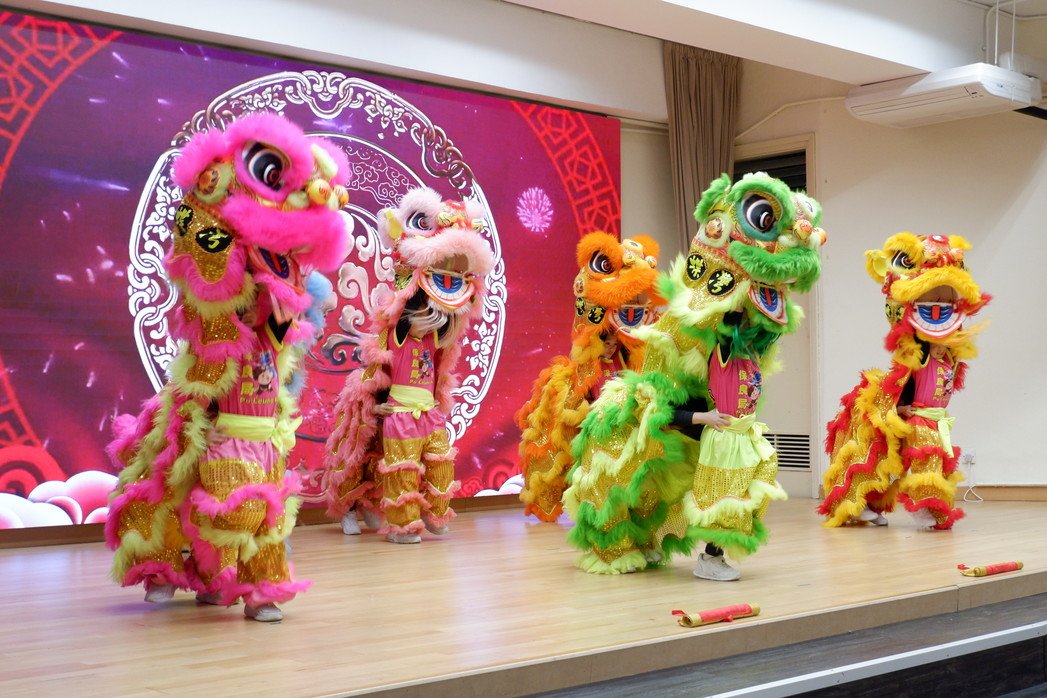
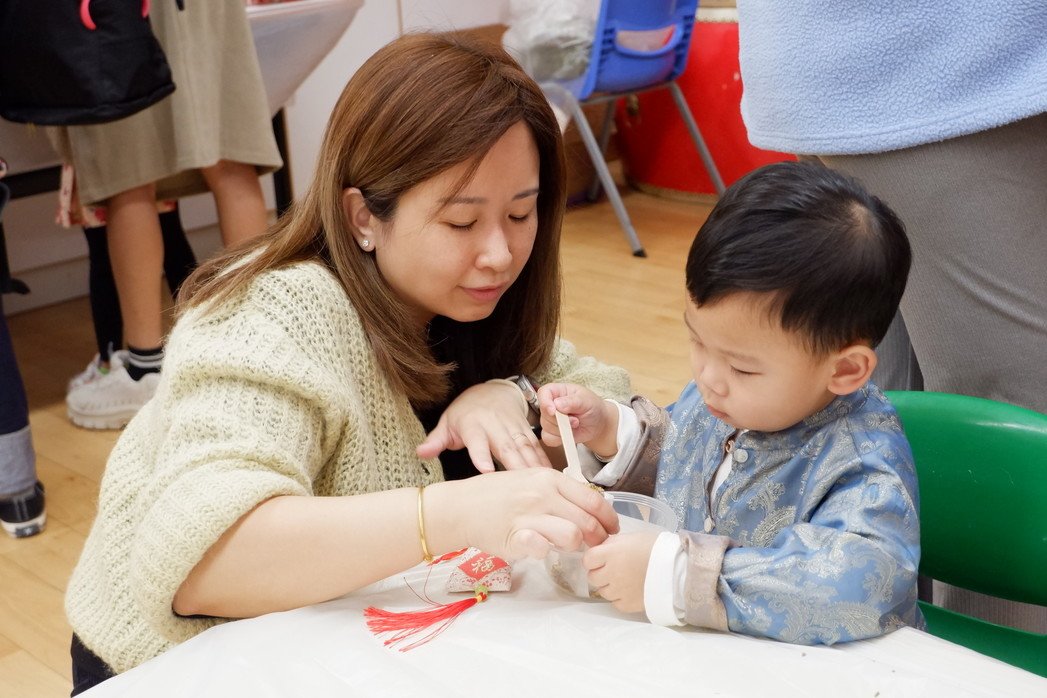
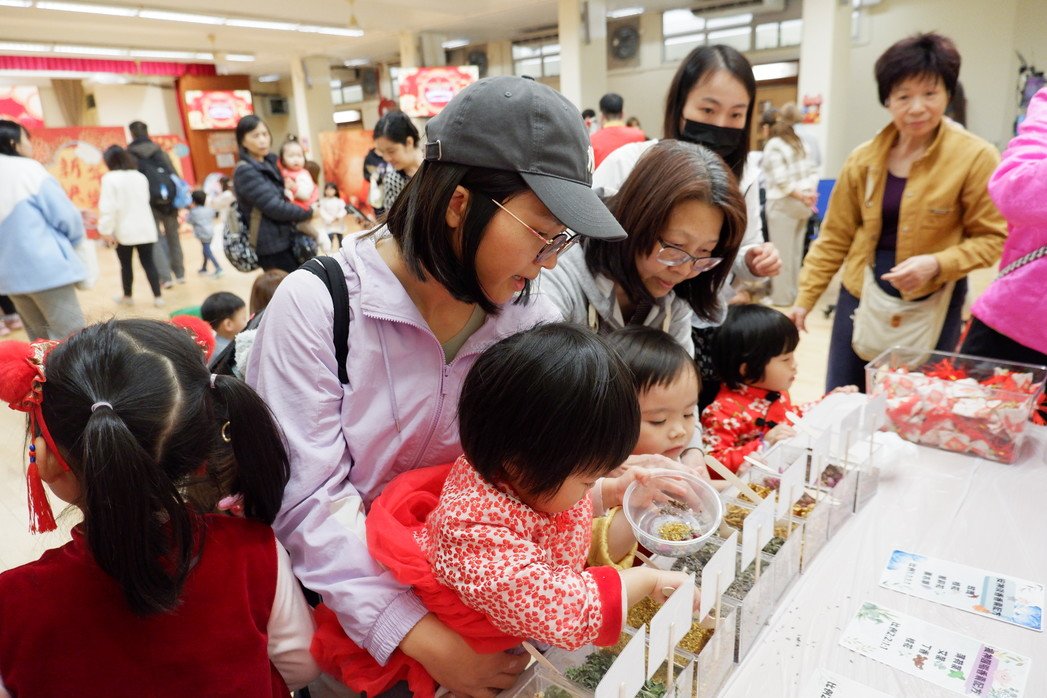
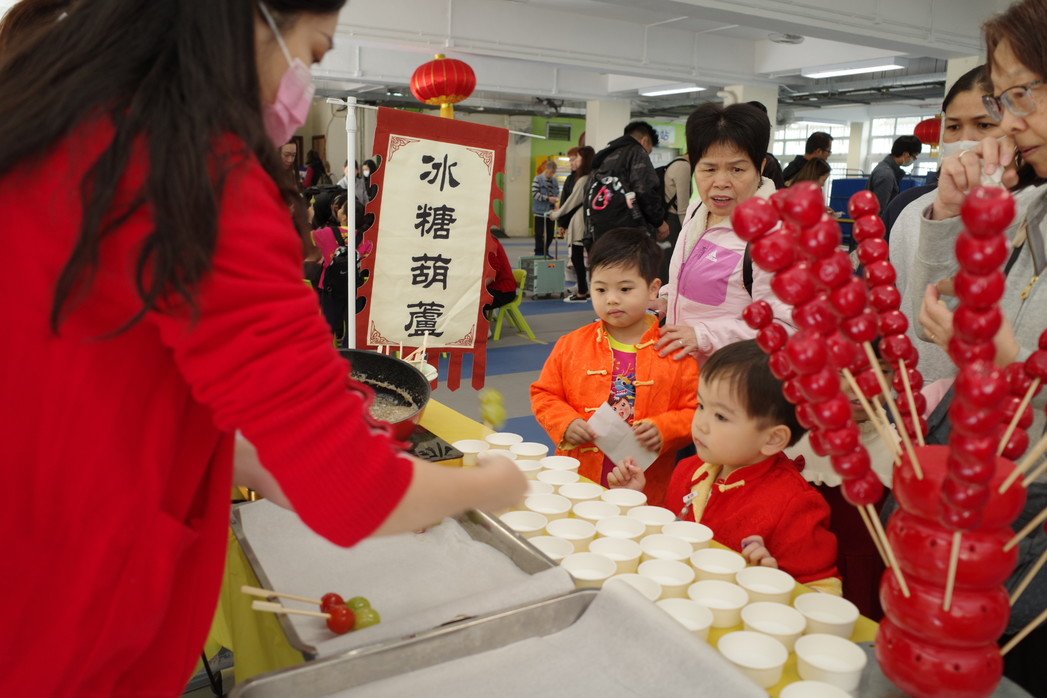
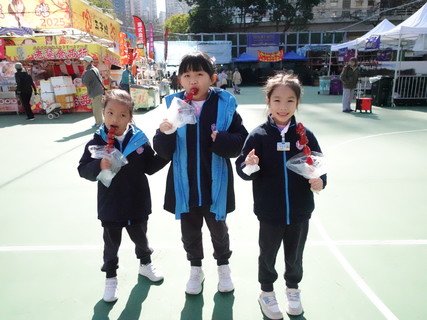
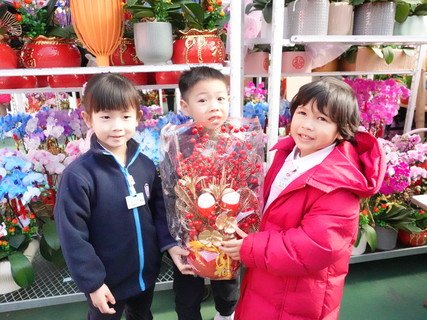
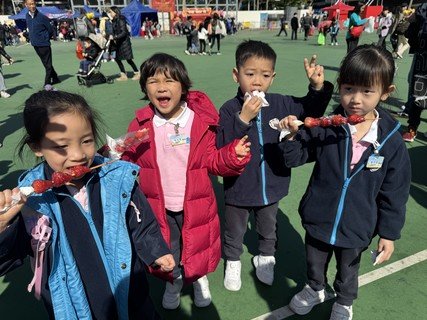
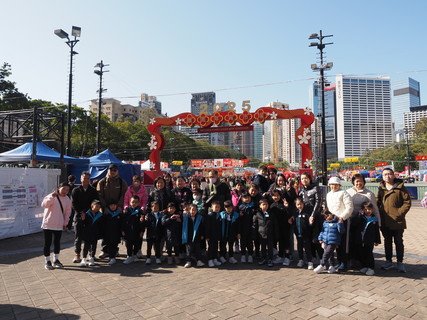
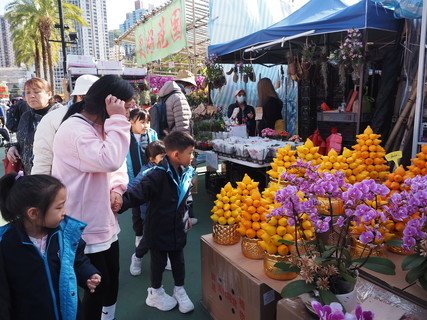
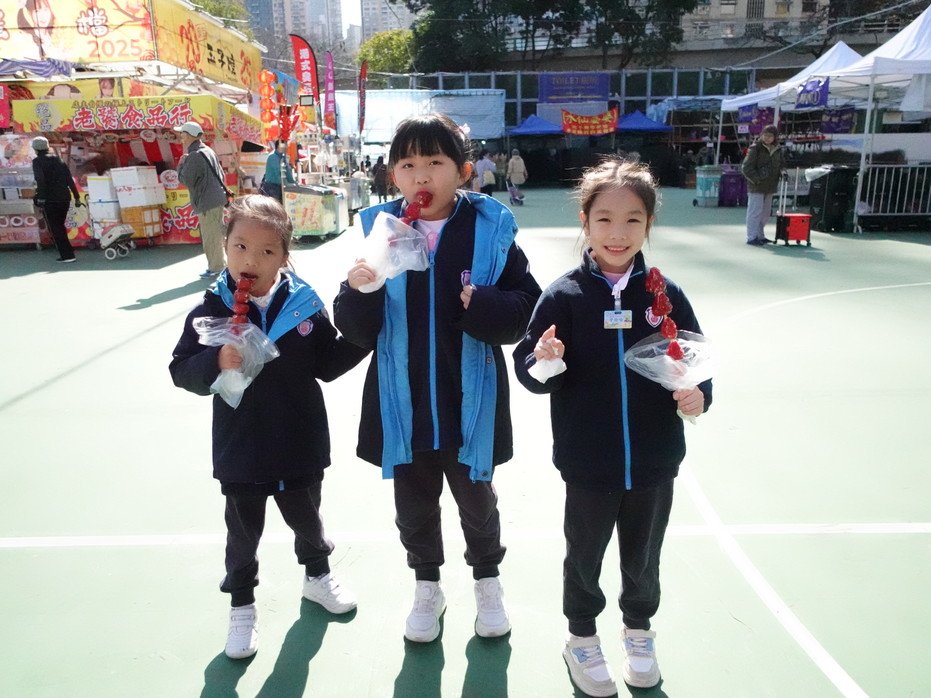
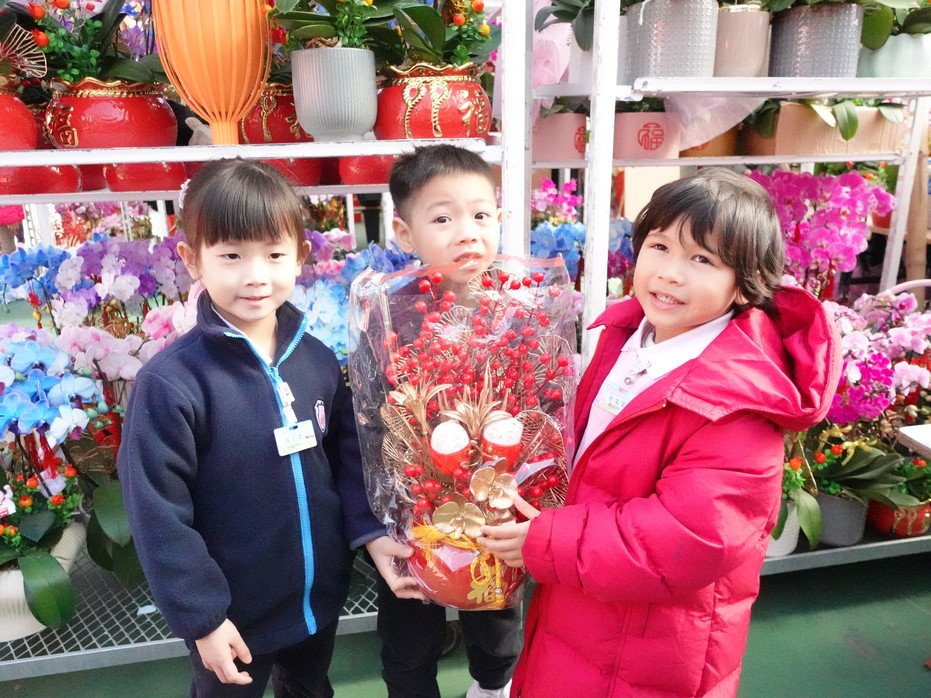
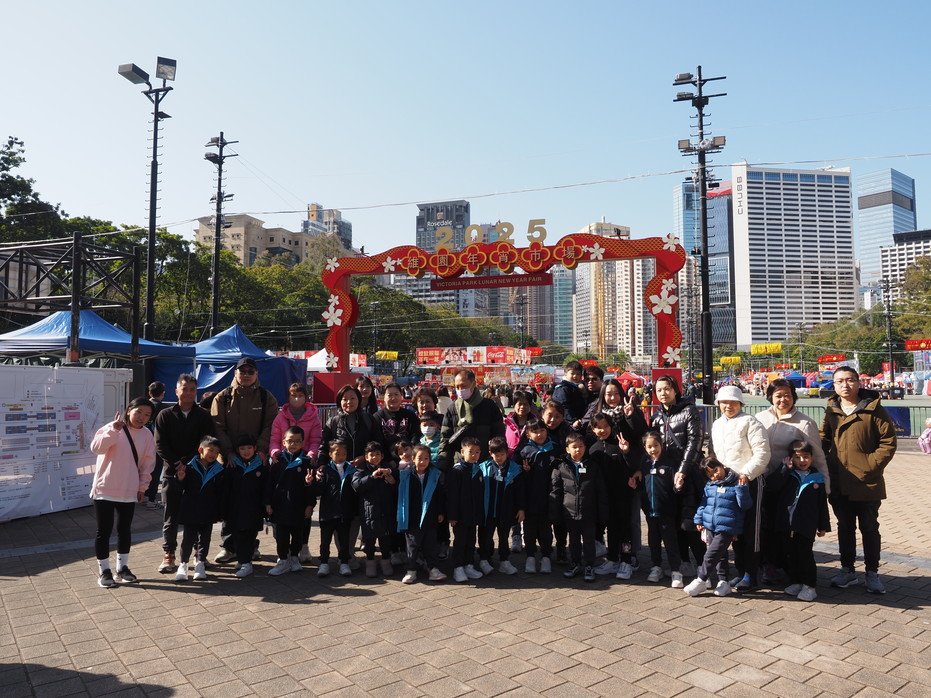
Parent-Child Lunar New Year Fair Fun Day
Objectives
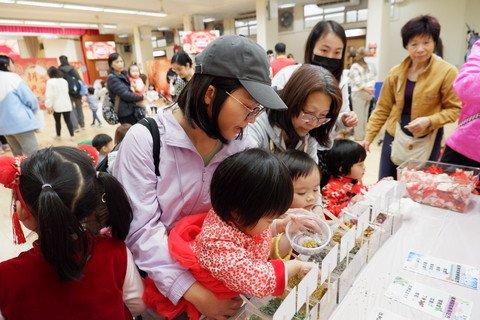
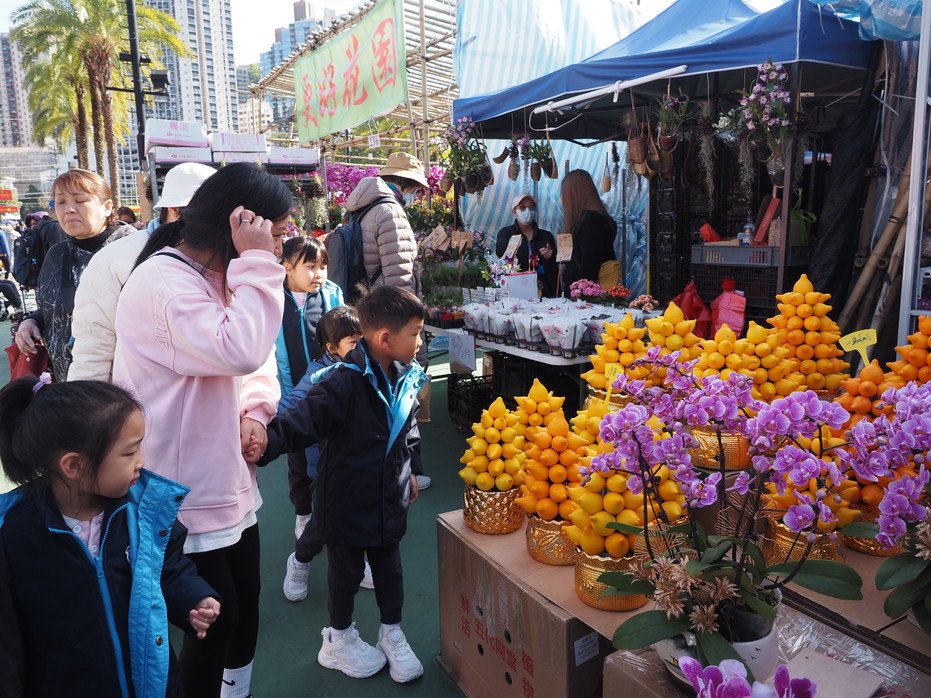
Learn about traditional customs of the Lunar New Year, such as the special stalls at the night market, flowers, and festive foods.
Enhance young children's observation skills, language expression, and social abilities through visiting the night market and interacting with parents.
Foster emotional bonding between parents and children, and cultivate an interest in participating in cultural activities.
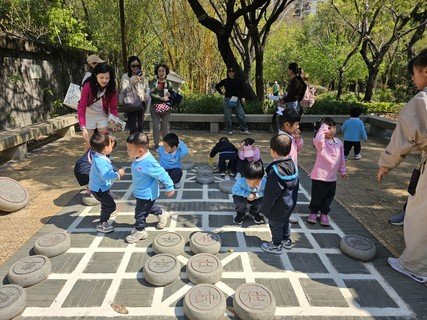
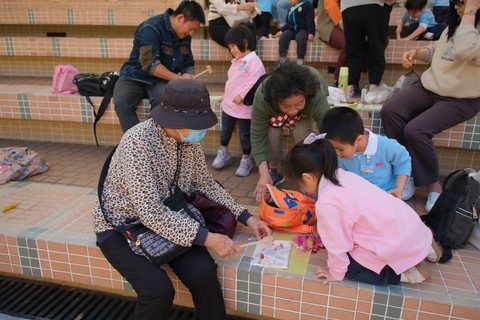
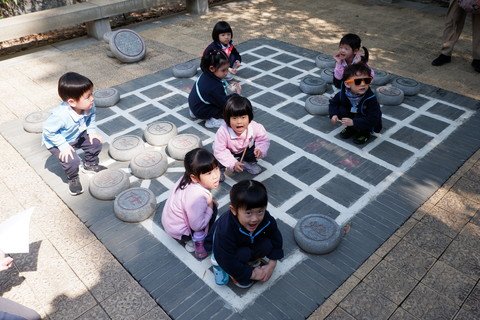
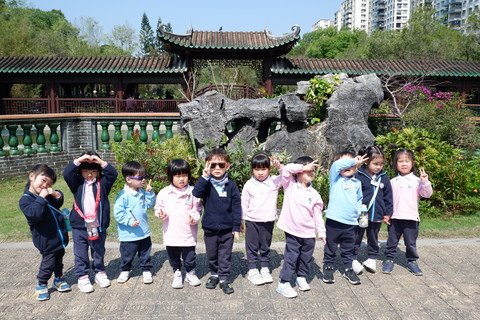
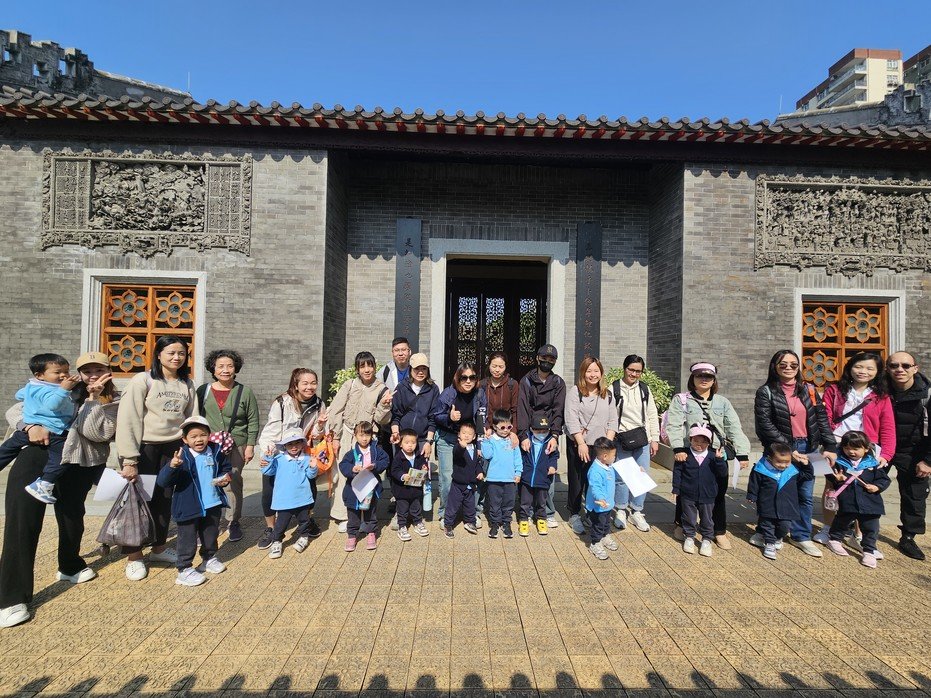
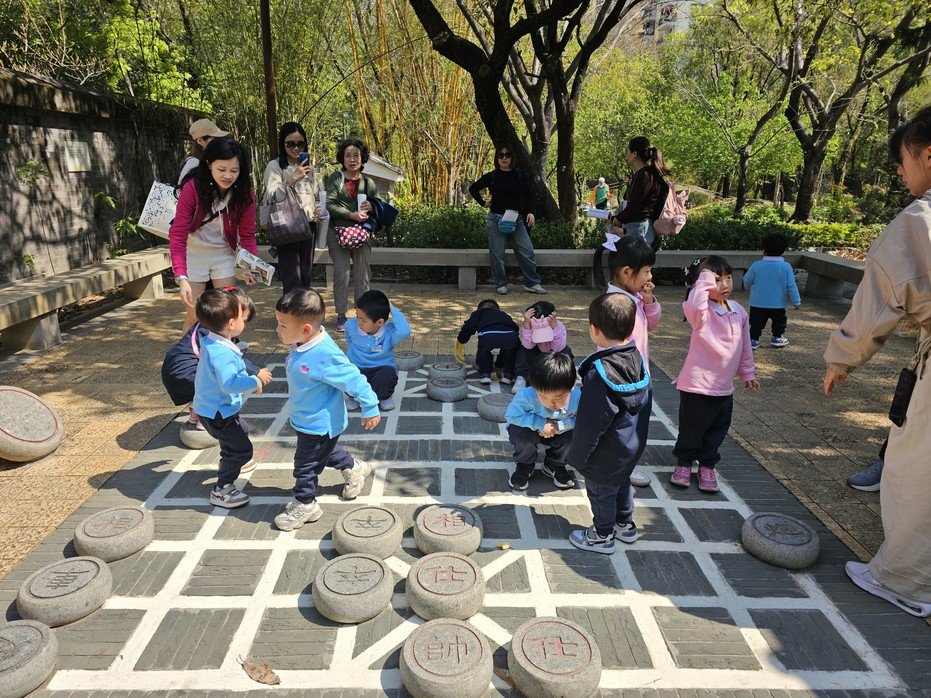
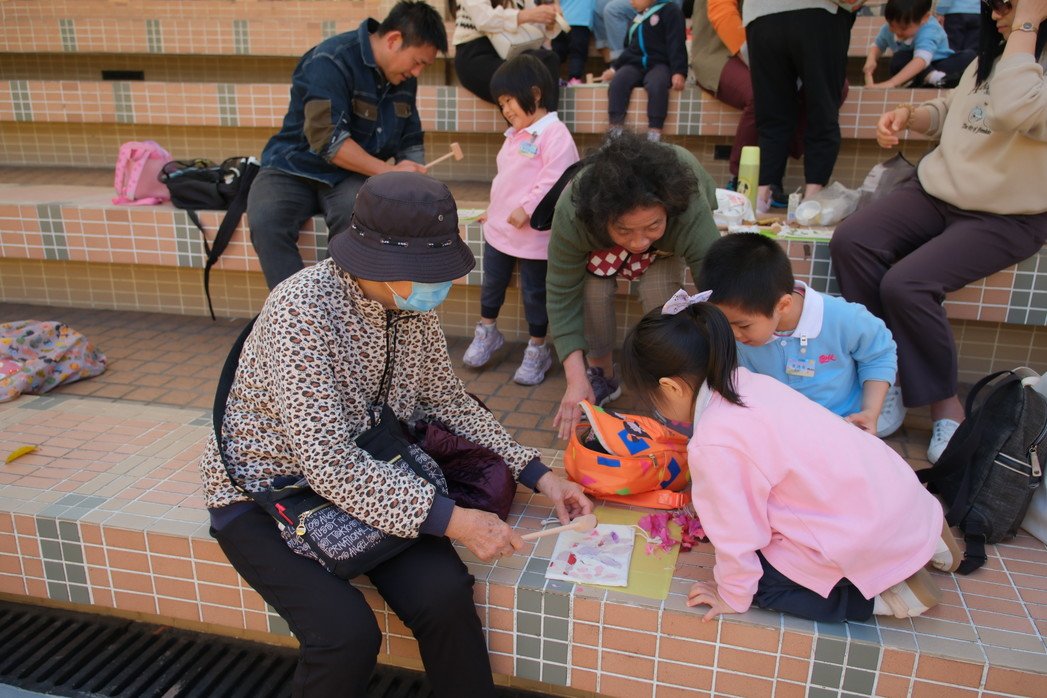
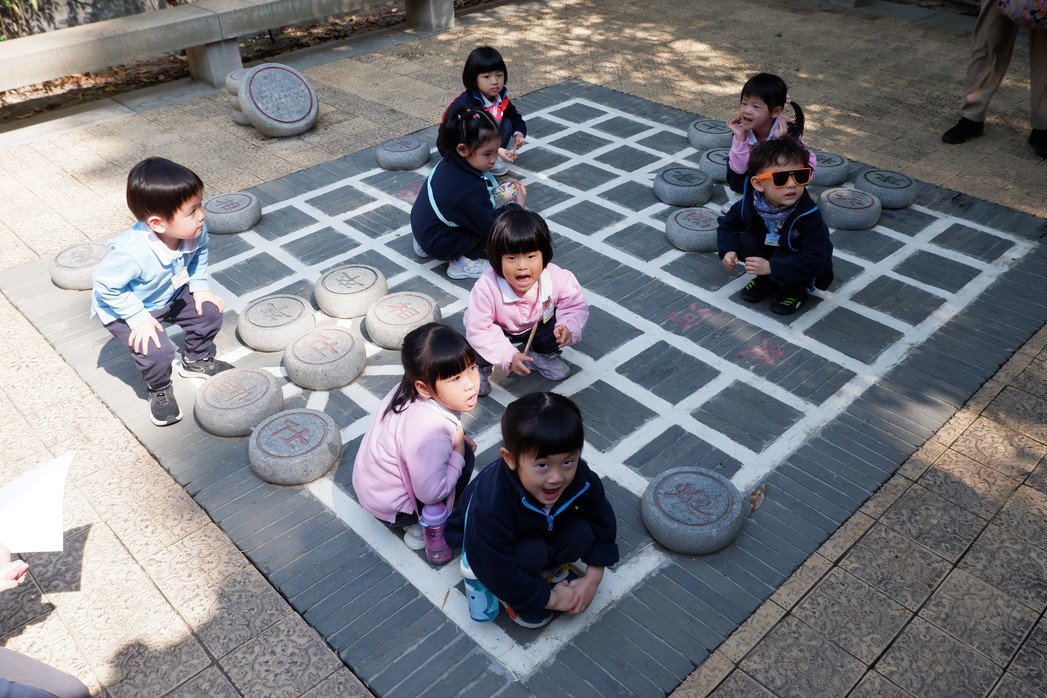
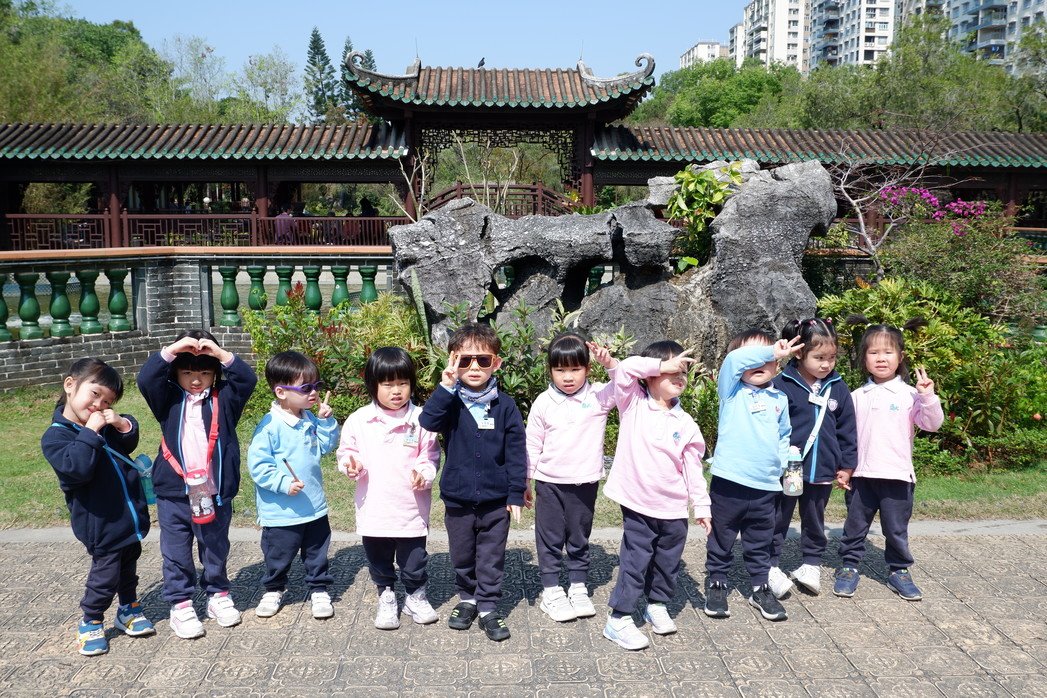
Exploring Chinese Culture -Lingnan Garden
Objectives
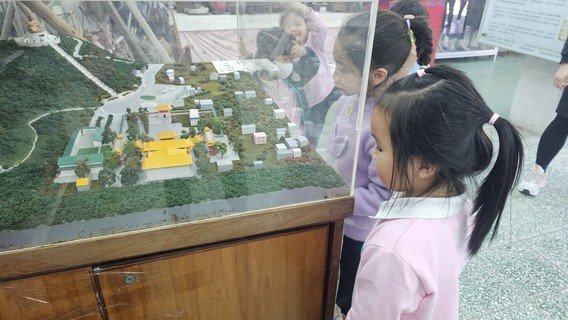
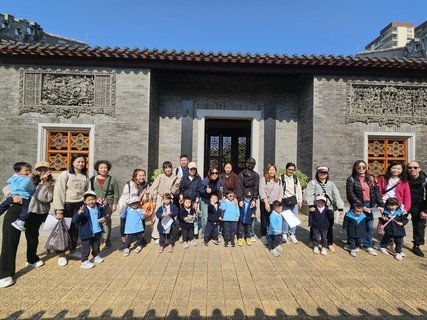
Discover the traditional garden architectural styles of the Lingnan region, such as pavilions, towers, and artificial rockeries with flowing water.
Understand the distinctive elements of Lingnan culture (such as garden design and the integration of nature with architecture), enhancing awareness of the diversity within Chinese culture.
Foster emotional bonds between parents and children, encouraging a positive attitude towards cultural exploration and environmental conservation.
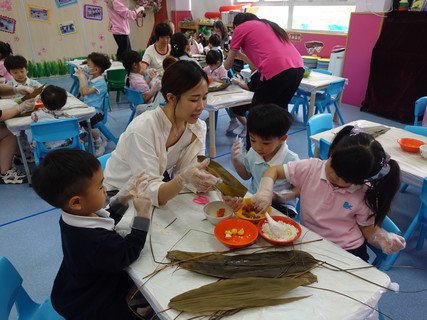
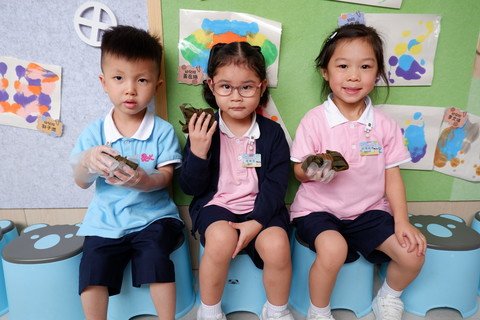
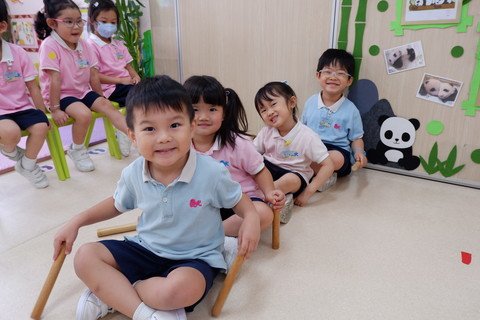
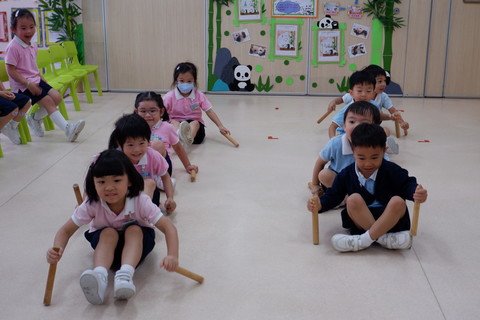
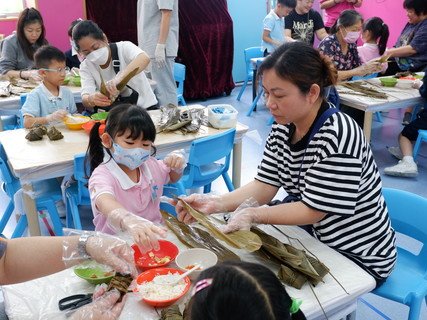
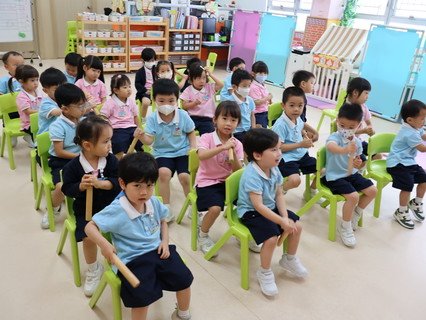
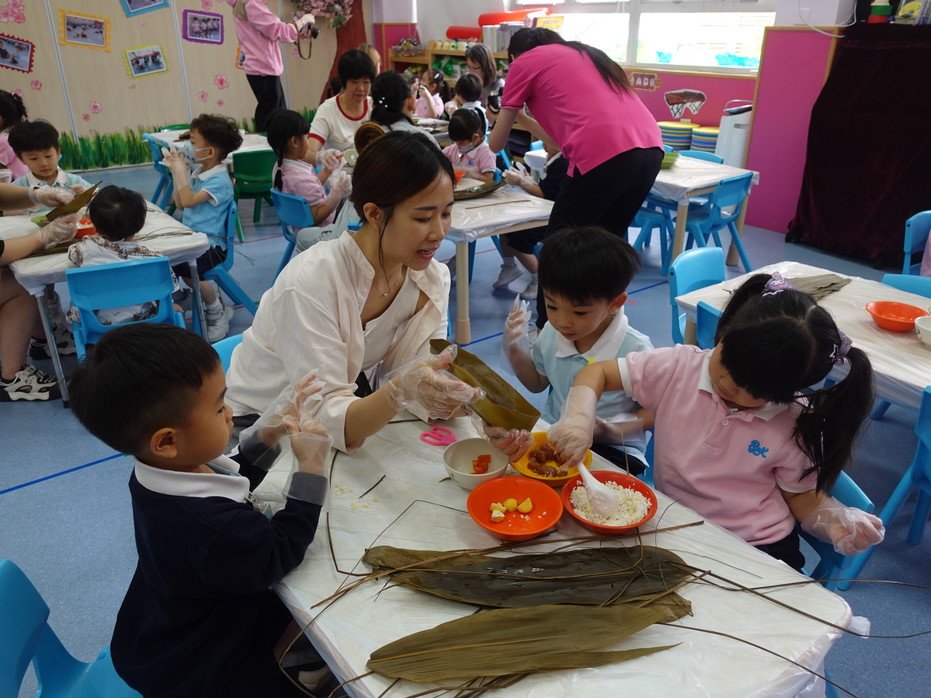
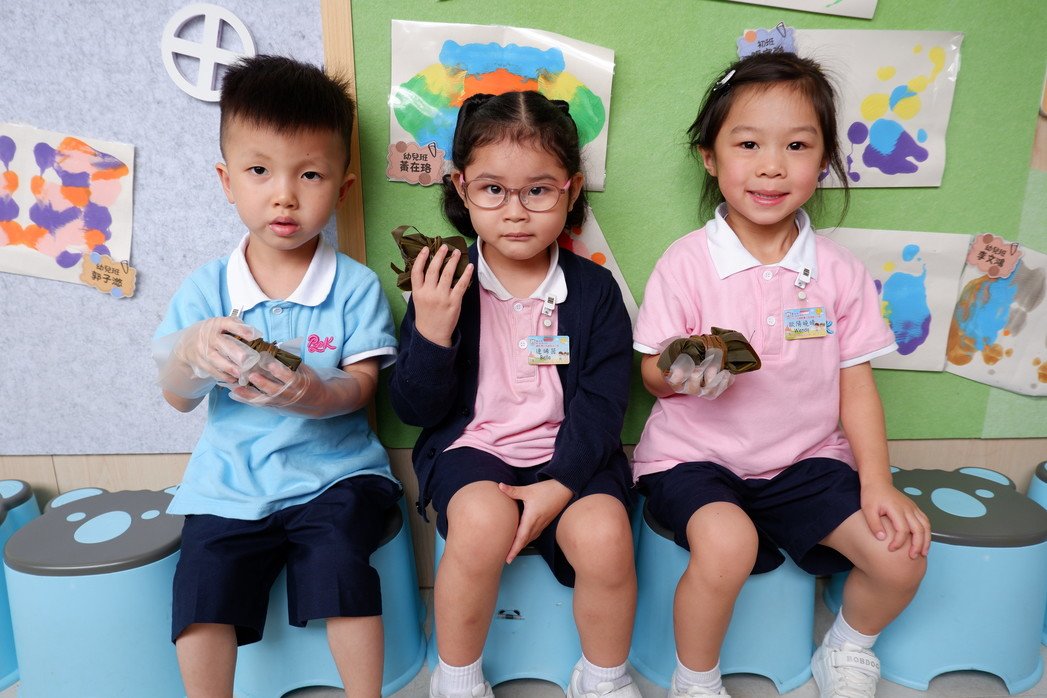
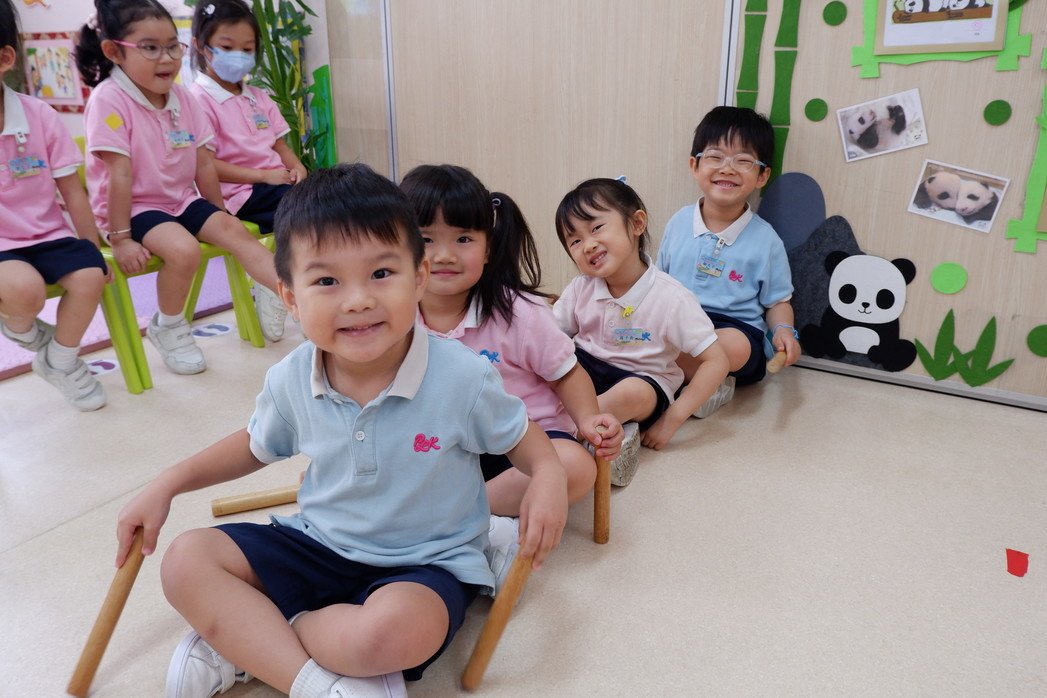
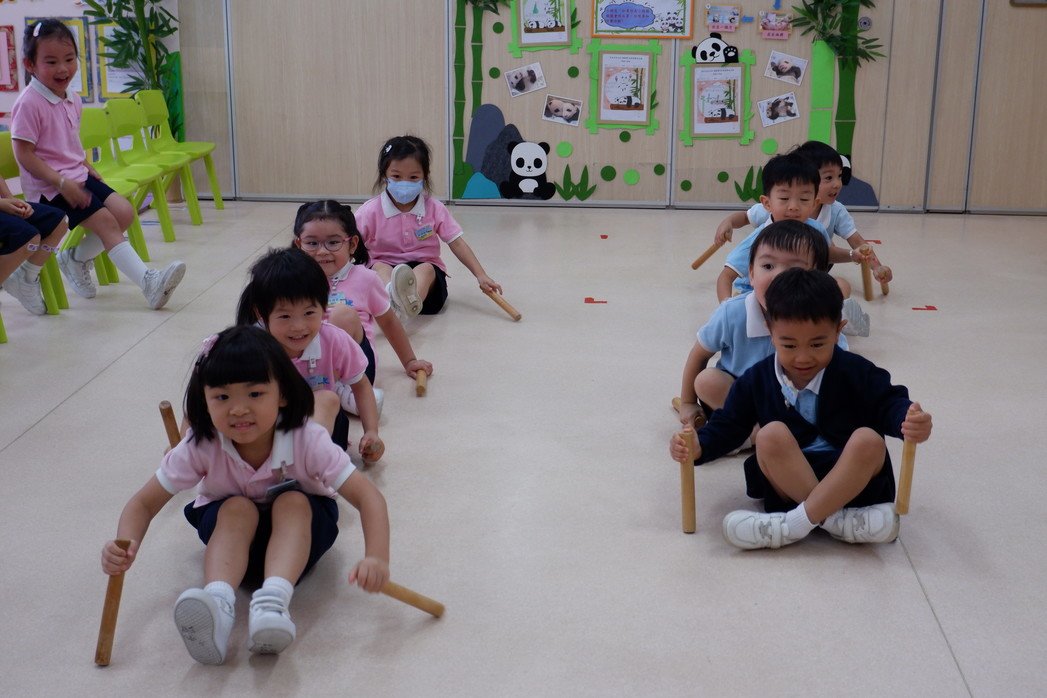
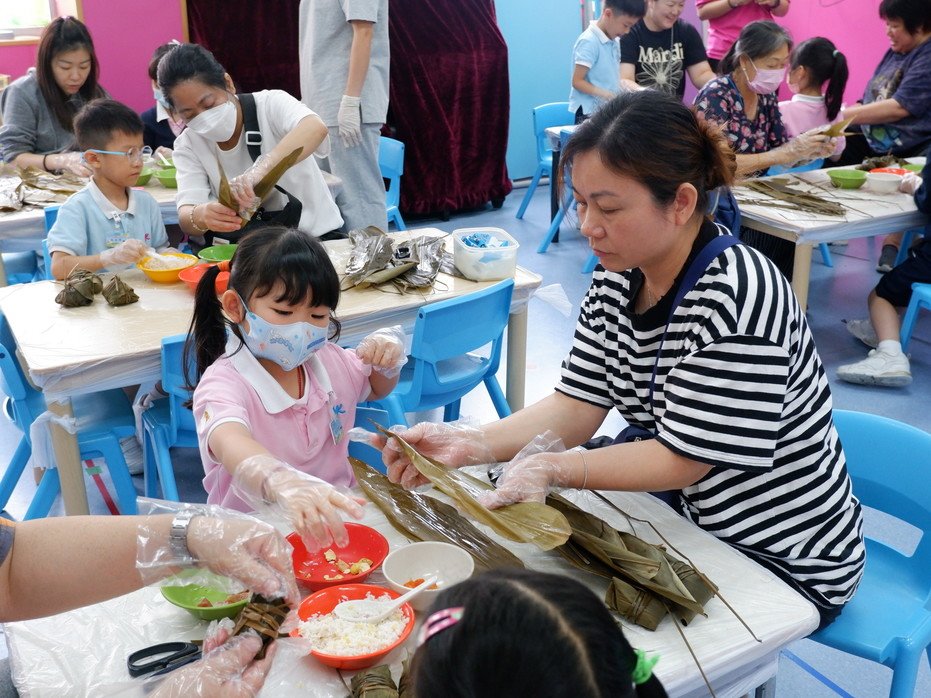
Children Celebrate the Dragon Boat Festival
Objectives
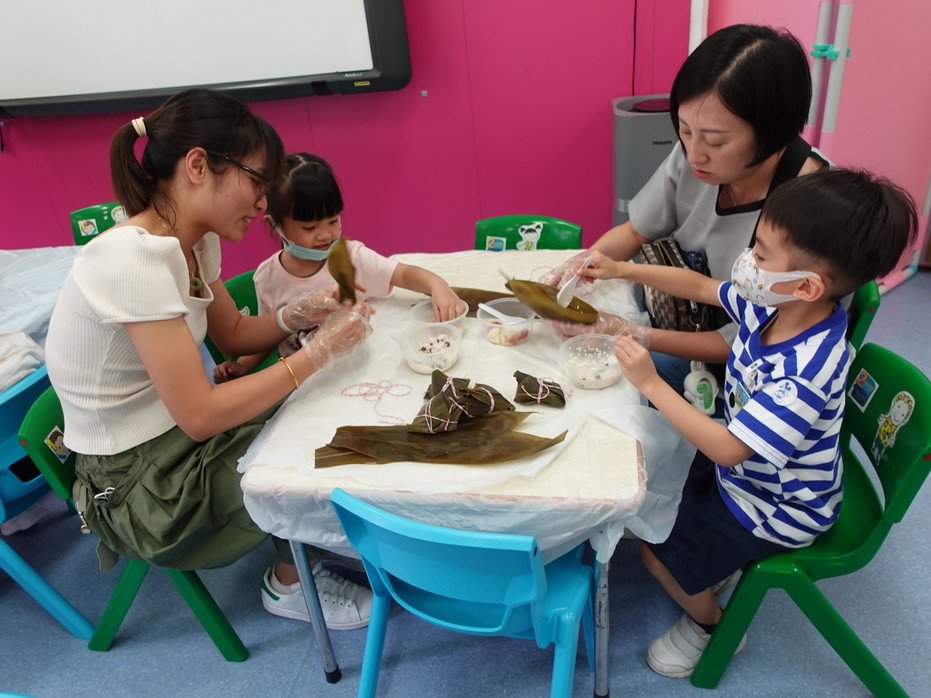
Understand the origins, traditional customs (such as making zongzi and dragon boat racing), and cultural significance of the Dragon Boat Festival.
Learn to select ingredients and basic zongzi-making techniques through participation in zongzi-making activities.
Foster children's respect for and appreciation of traditional festival customs through involvement in zongzi-making and dragon boat racing activities.
Celebrating the Hong Kong Special Administrative Region Establishment Day
Objectives
Understand that 1st July is the Hong Kong Special Administrative Region Establishment Day and its historical background, gaining a preliminary understanding of the significance of Hong Kong’s return.
Recognise pictures of iconic Hong Kong landmarks.
Cultivate young children’s interest in Hong Kong and Chinese culture, encouraging a joyful exploration of related knowledge.
Theme: Outdoor Experience Activities
Grades: K1 to K3
Objectives
- Encourage children to explore beyond the classroom, engaging with community resources and facilities to enhance sensory and experiential learning
- Foster holistic child development through a range of comprehensive learning activities
Overview
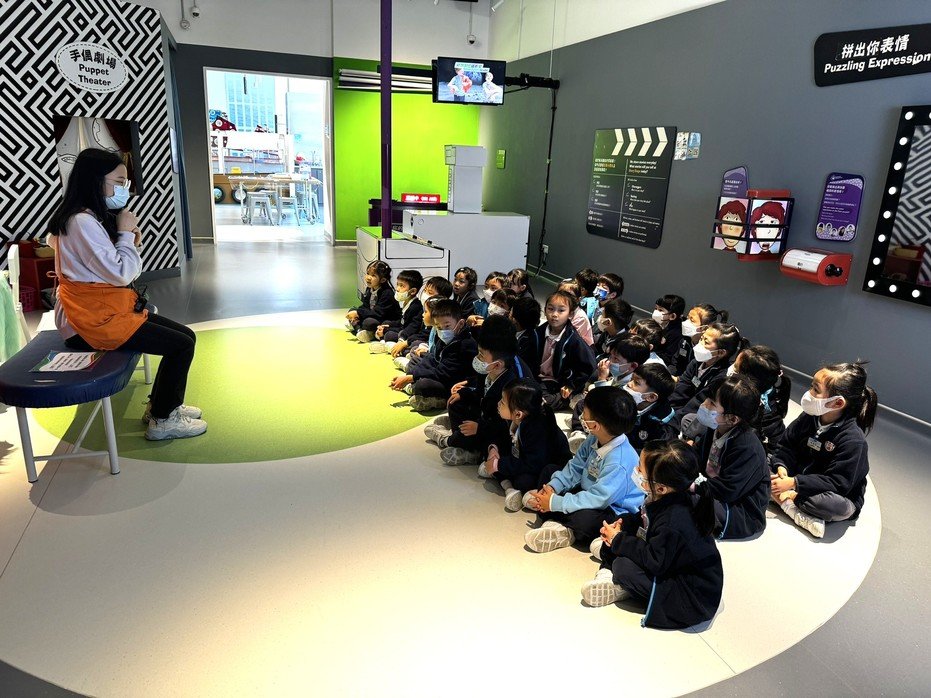
- Include experiential learning activities that tie into children's daily experiences, such as visits to interactive theater, creative workshops, snack making, and more. These activities promote diverse learning experiences, fostering exploration and creativity
- Aim to enrich each child's personal learning journey, enhancing interest and motivation in learning
Highlights
2023/2024
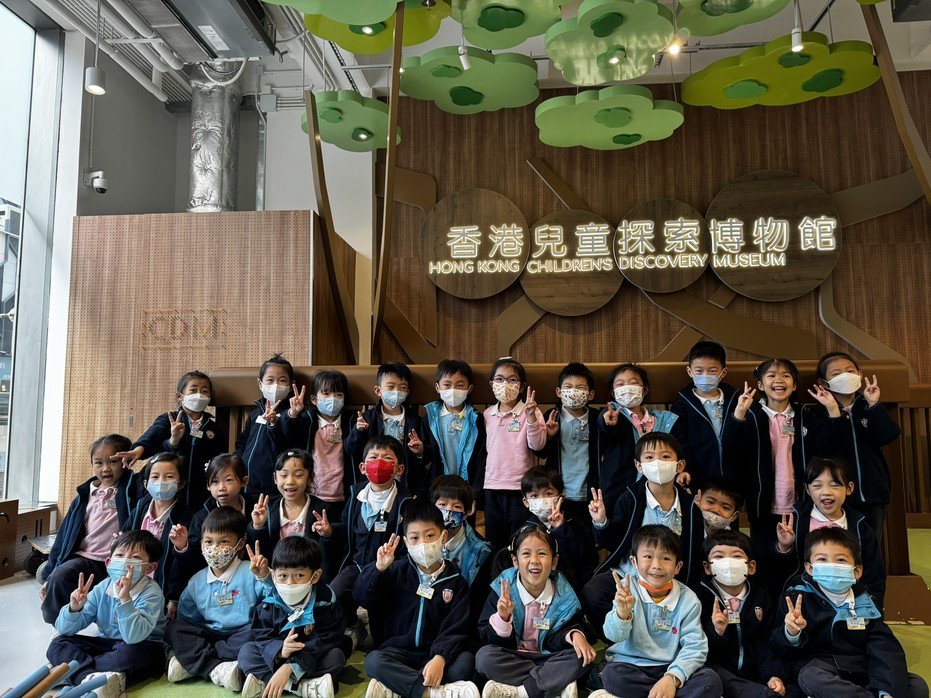
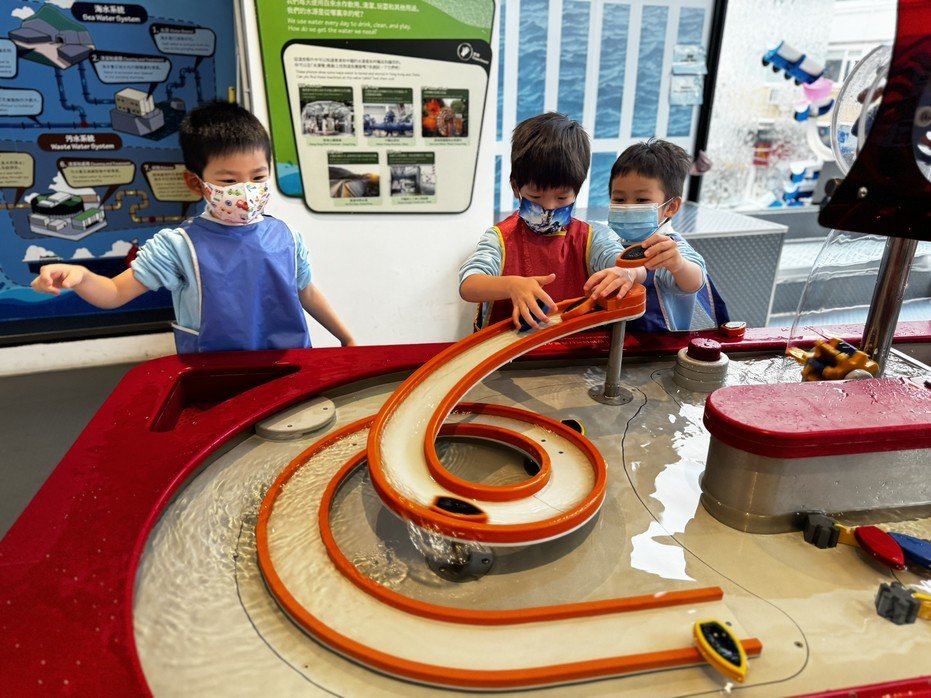
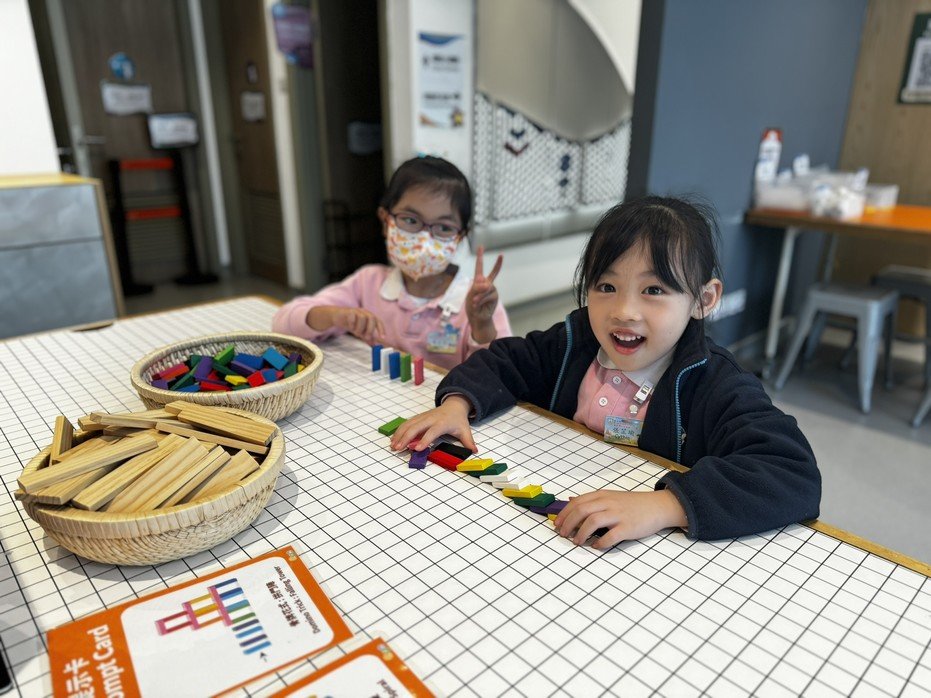
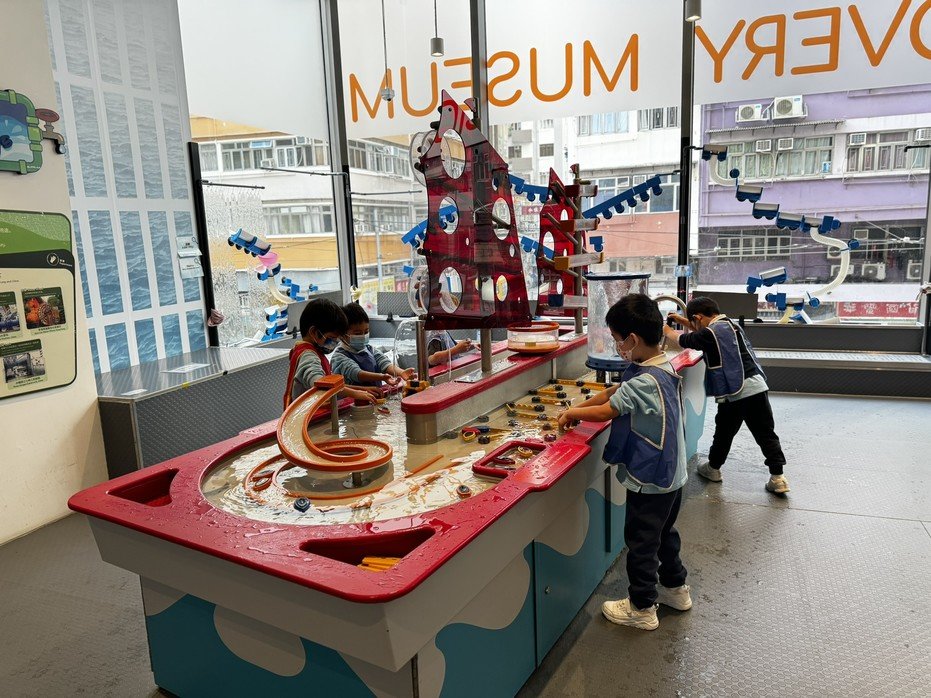
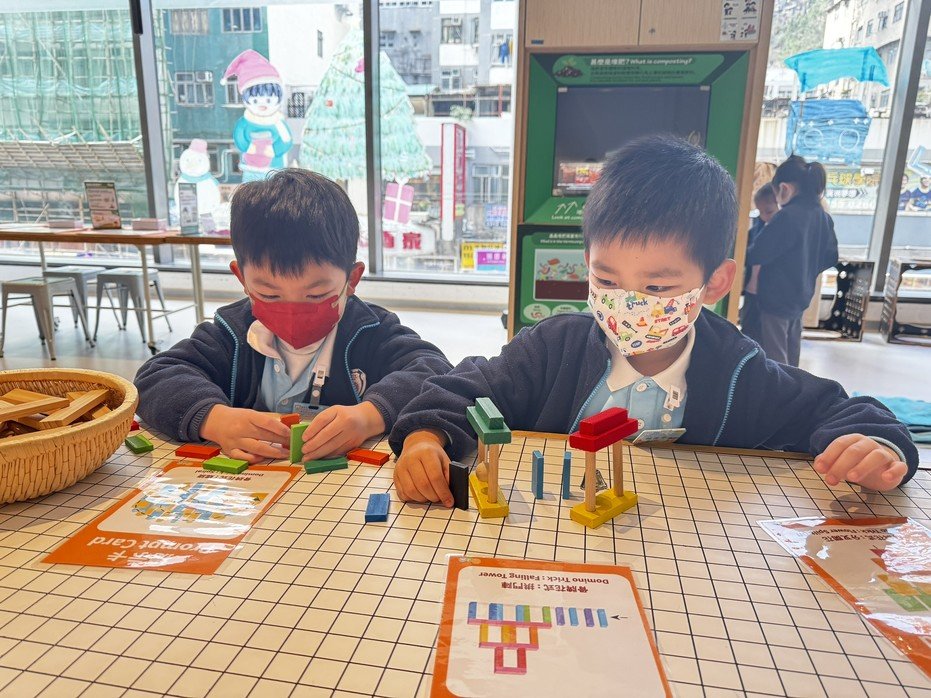
K3 Visiting Children's Discovery Museum

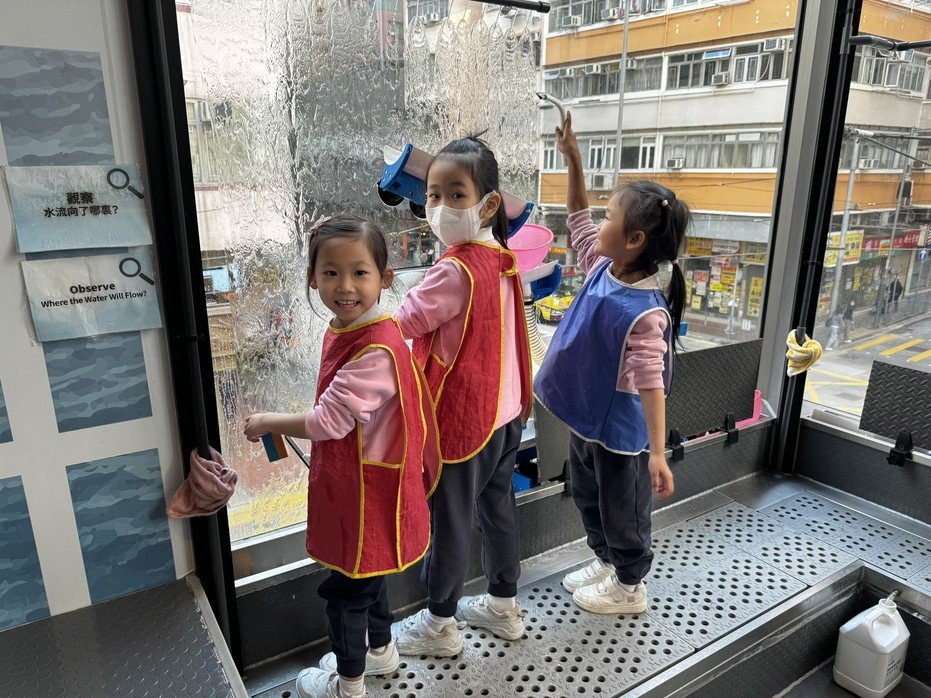
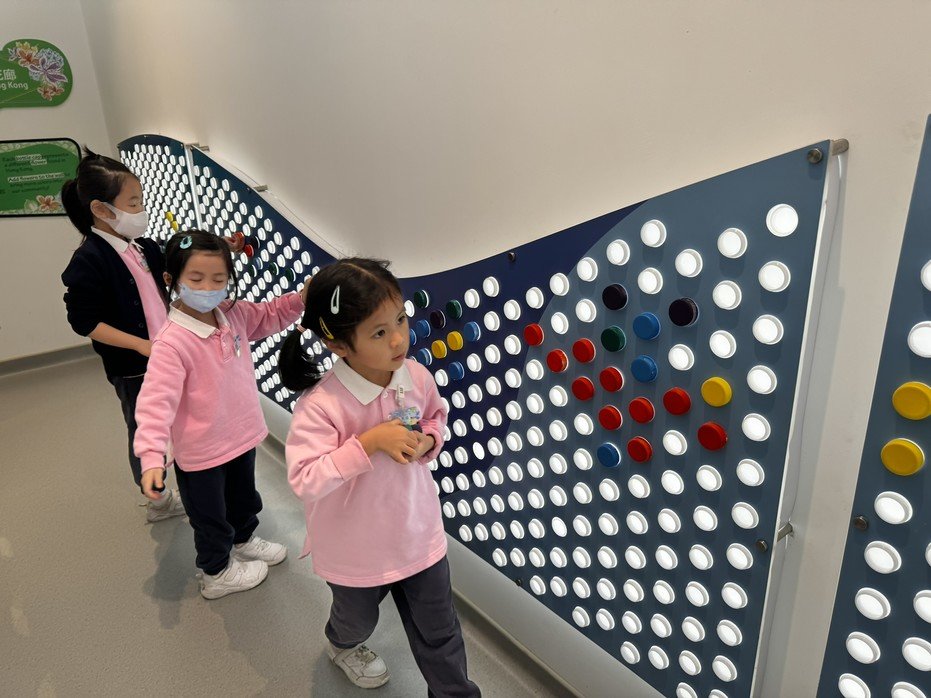
K2,K3 Visiting Playscope
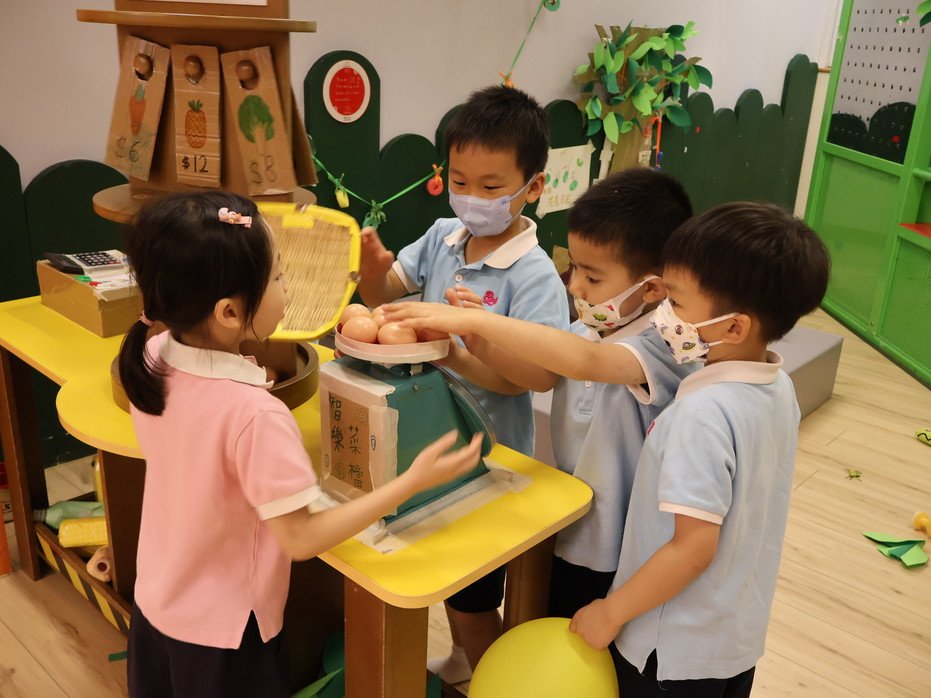
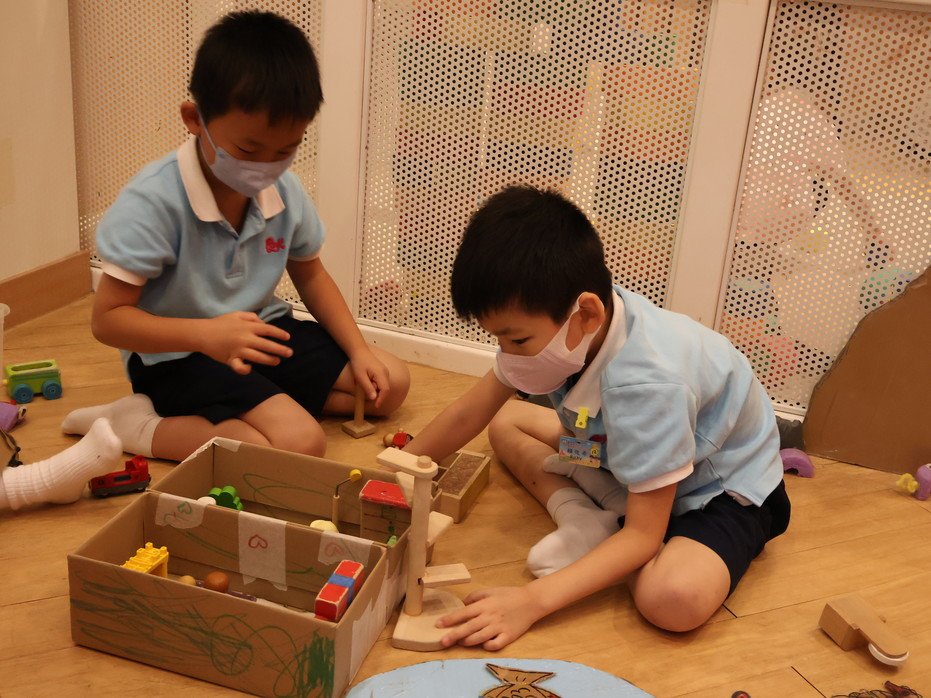
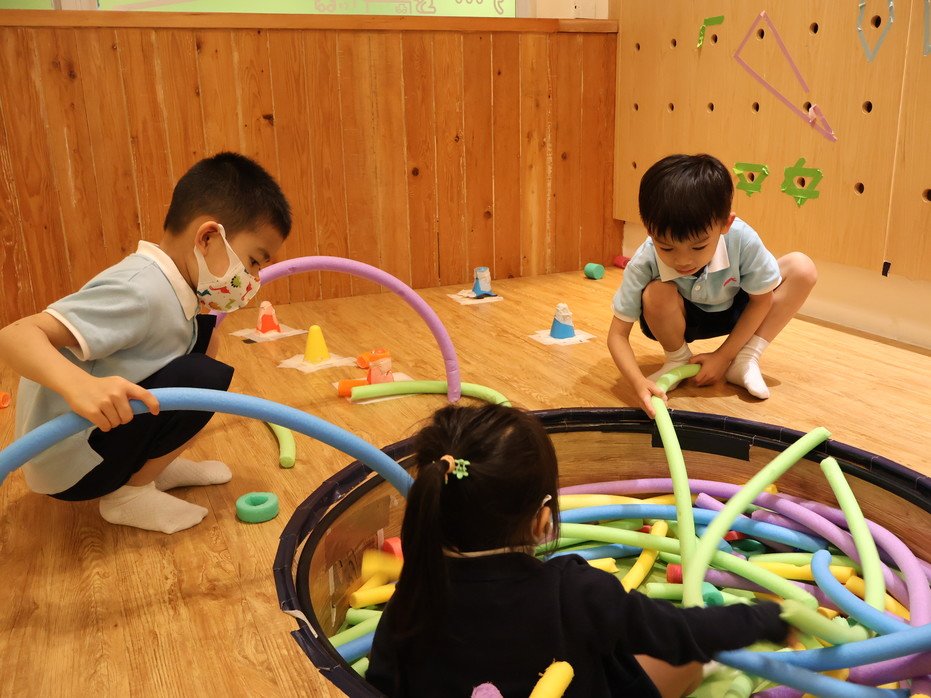
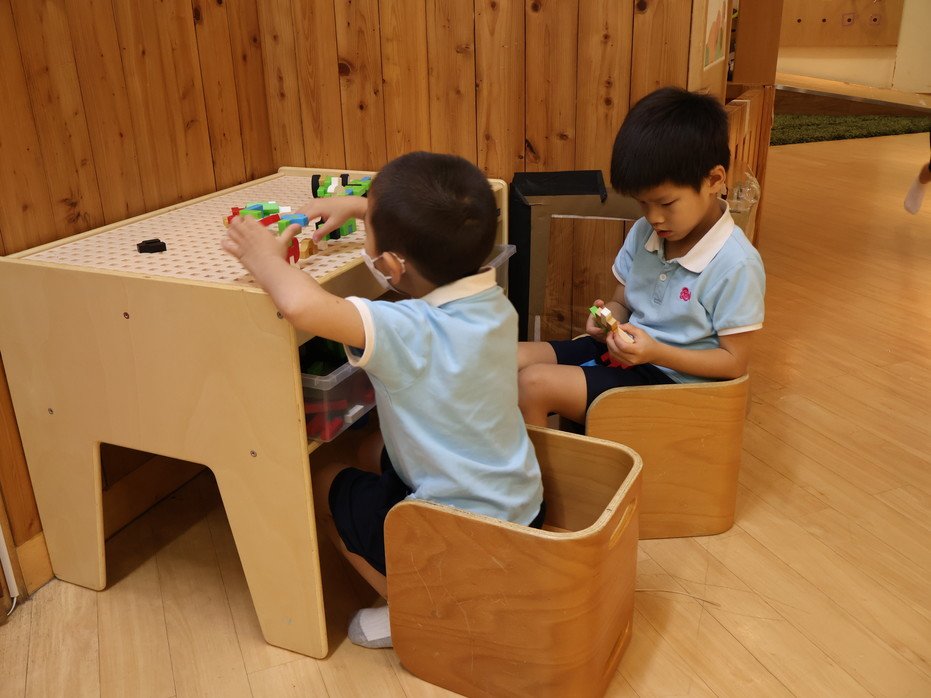
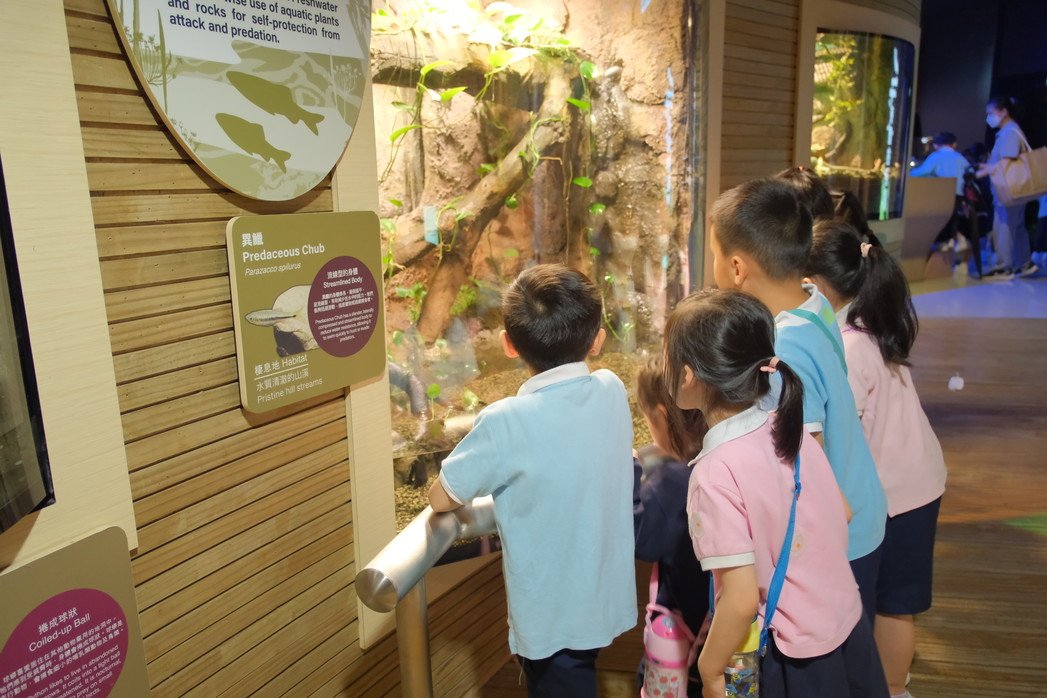
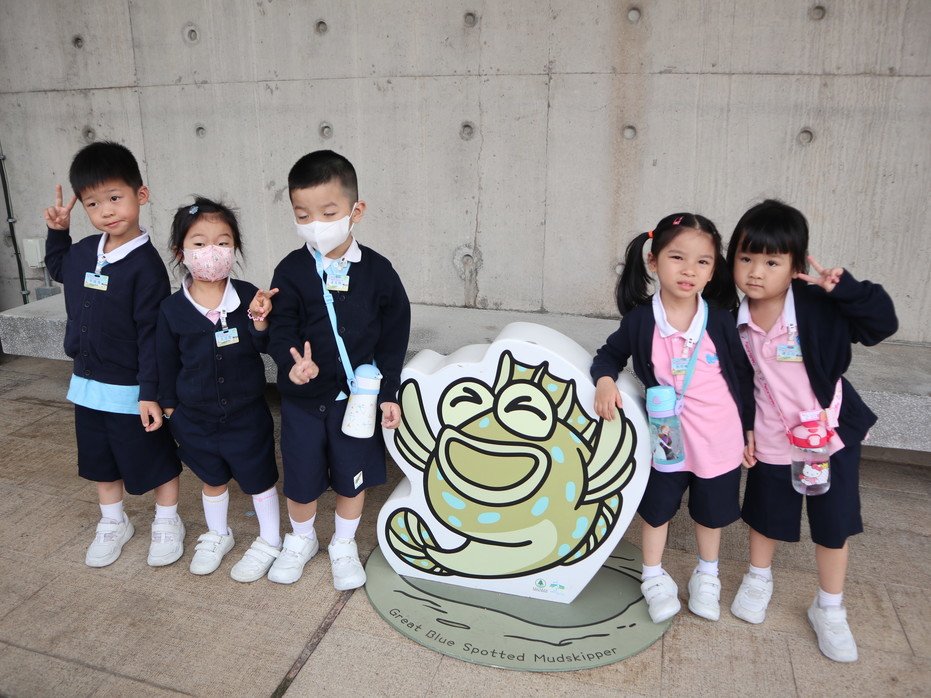
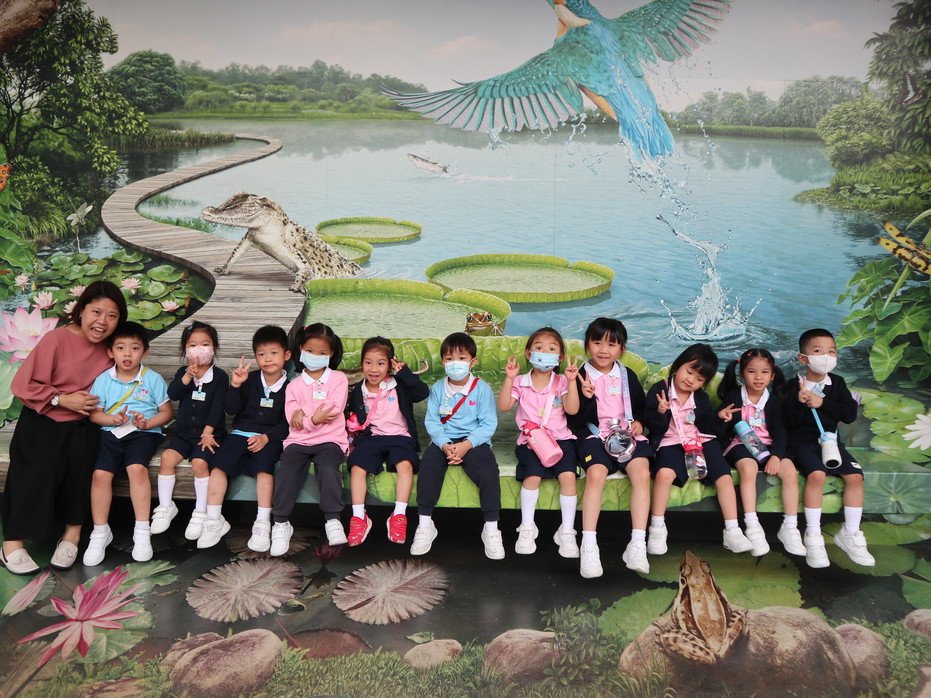
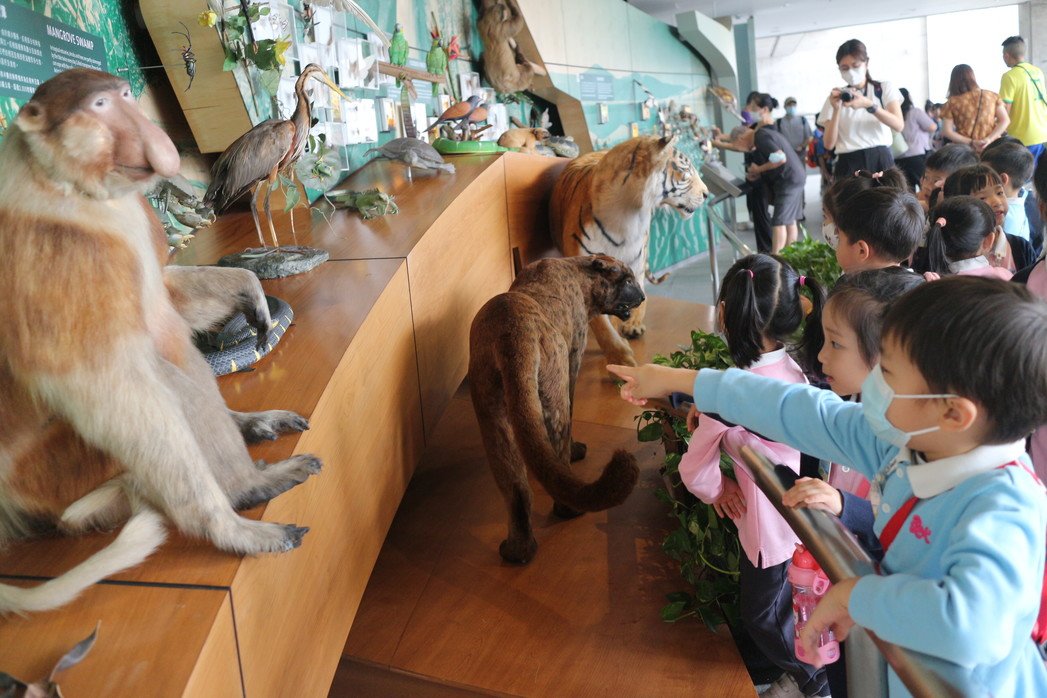
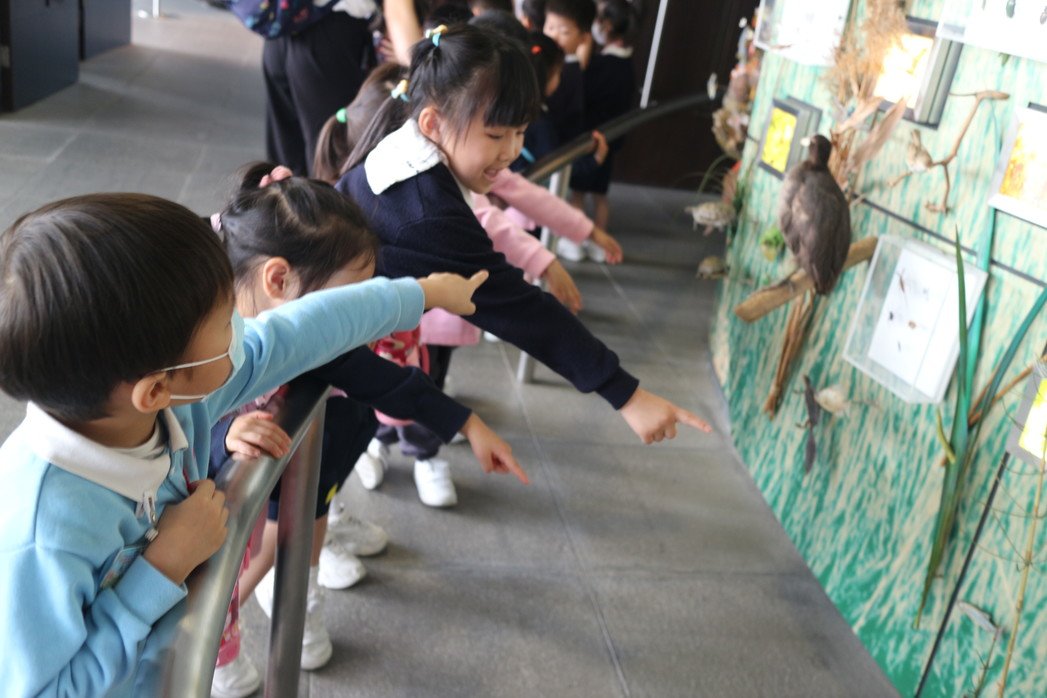
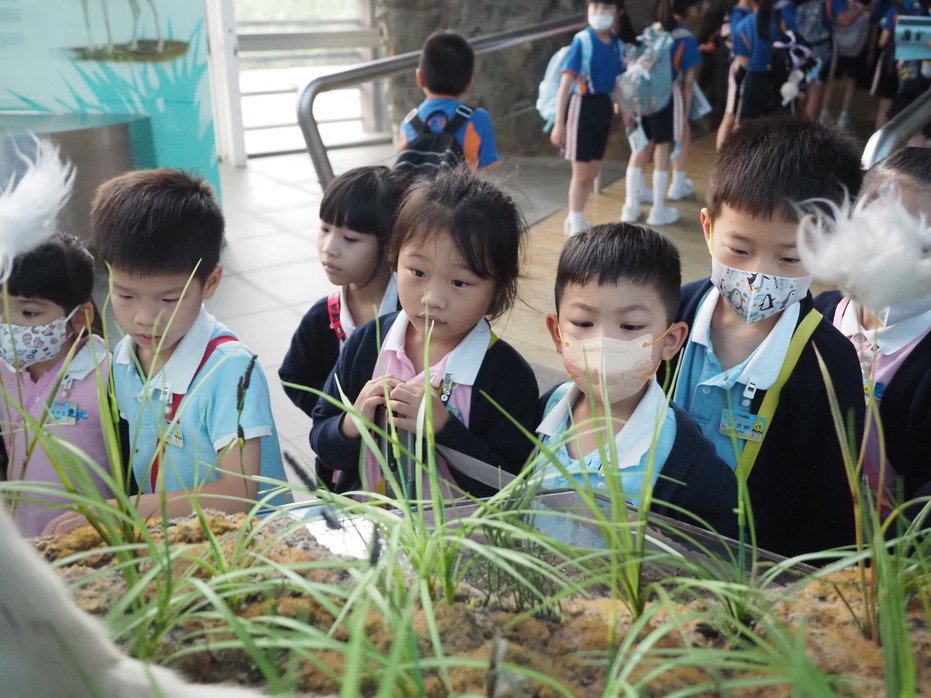
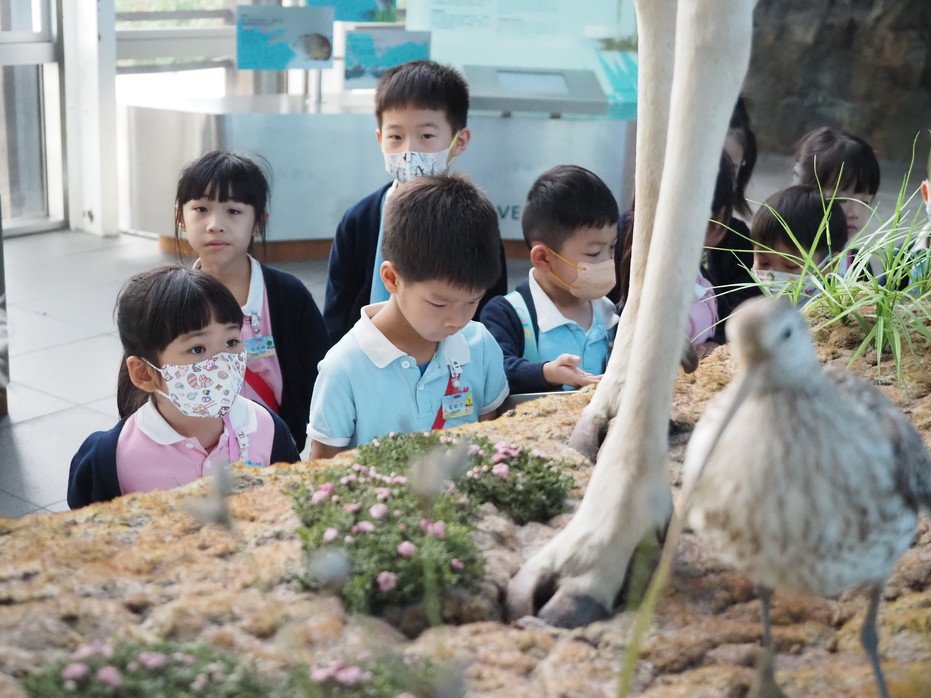
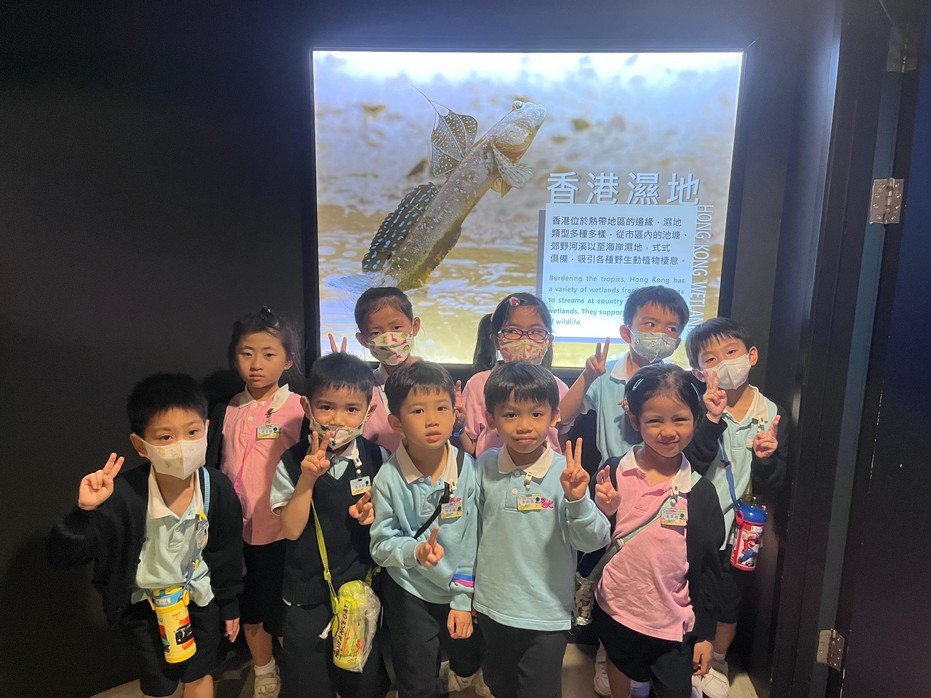
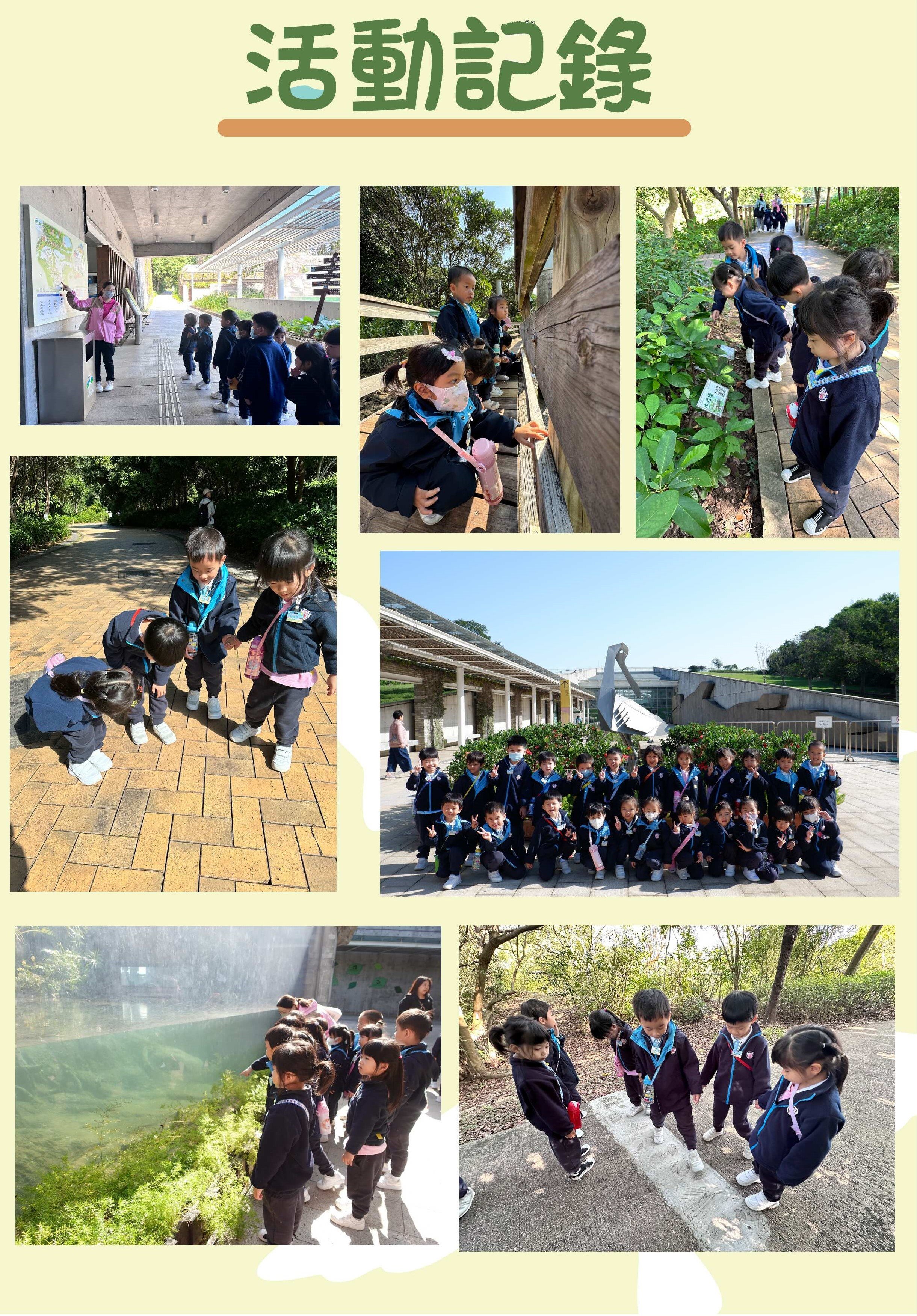
K2,K3 Visiting Hong Kong Wetland Park
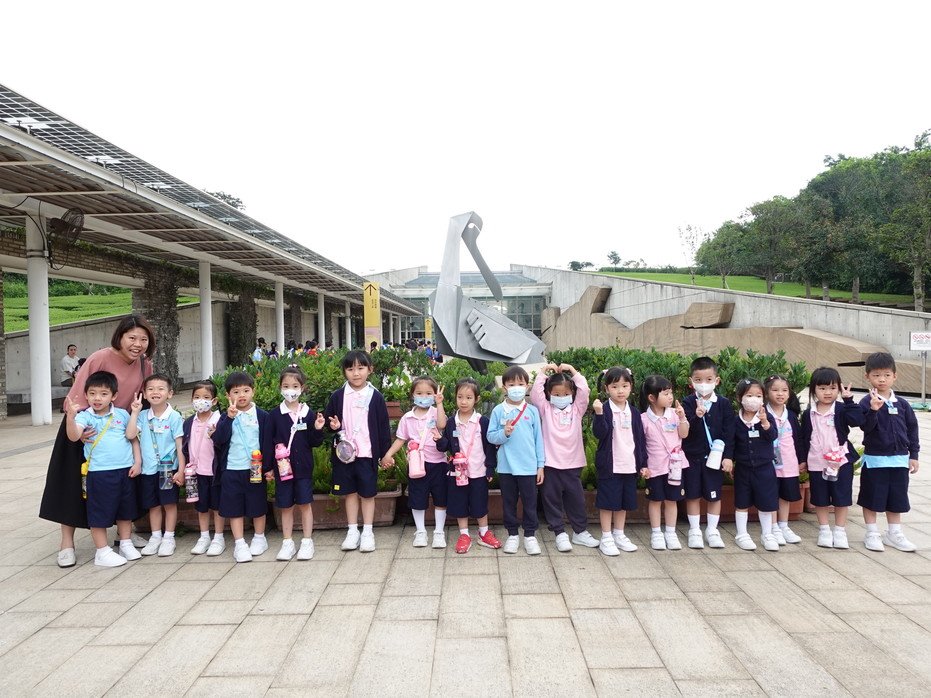
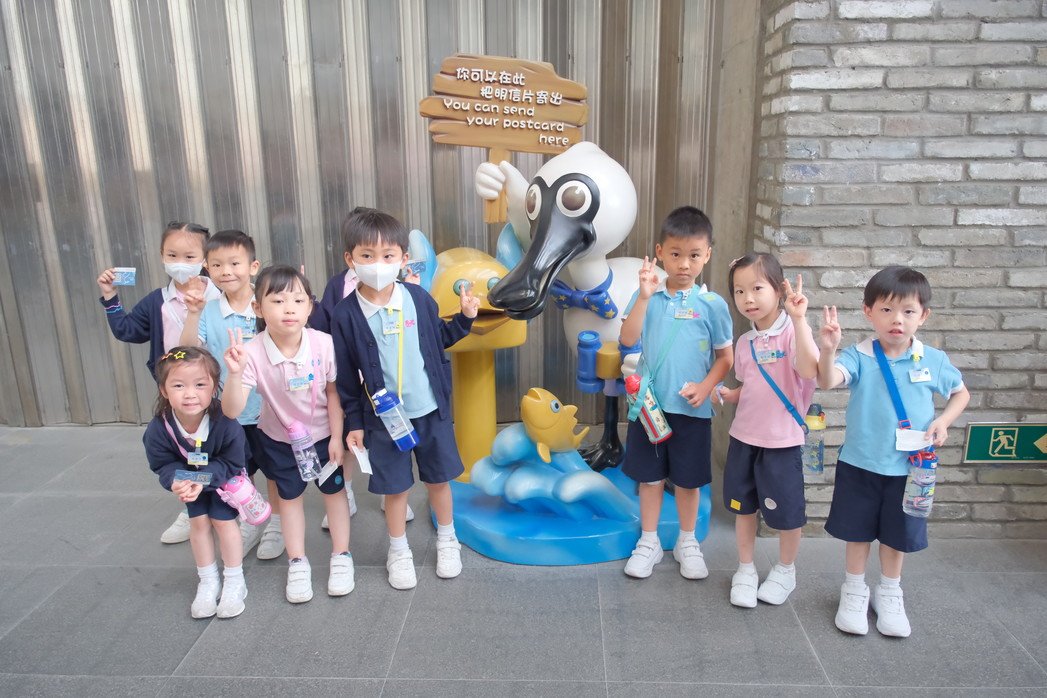
K2,Visiting Hong Kong Science Museum
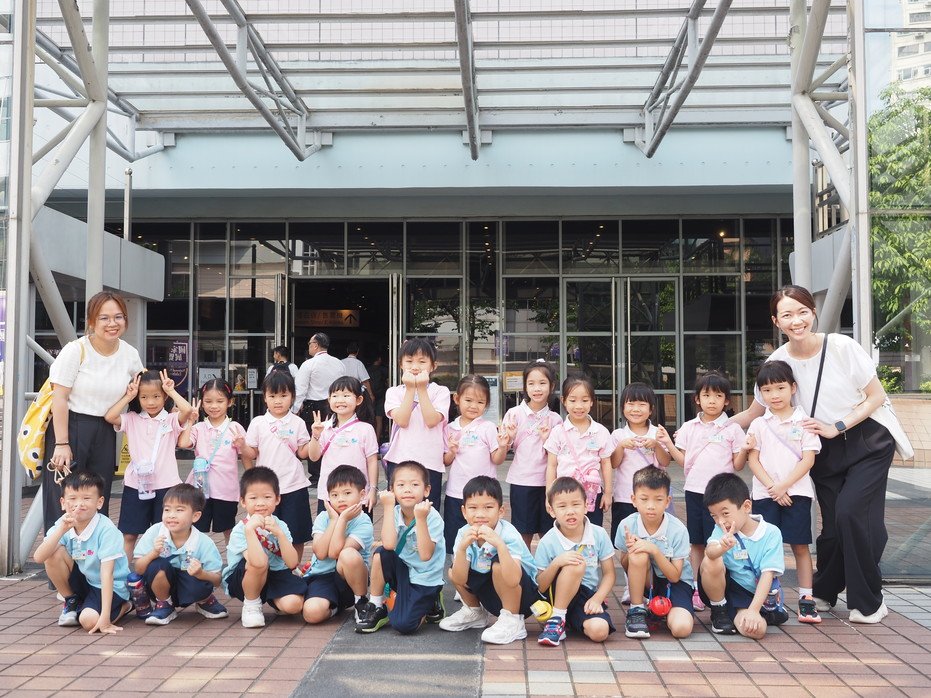
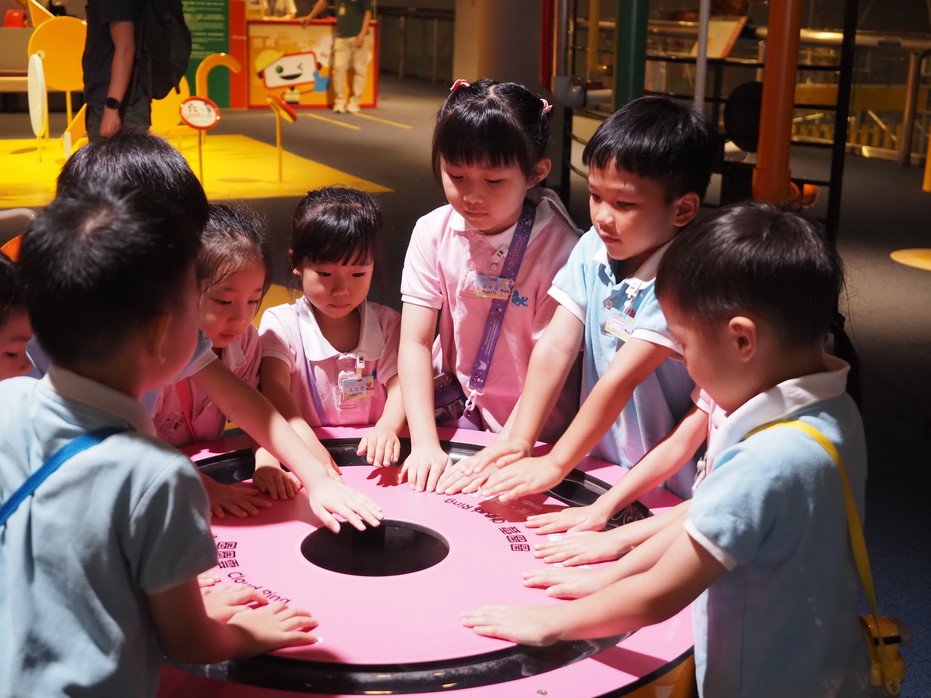
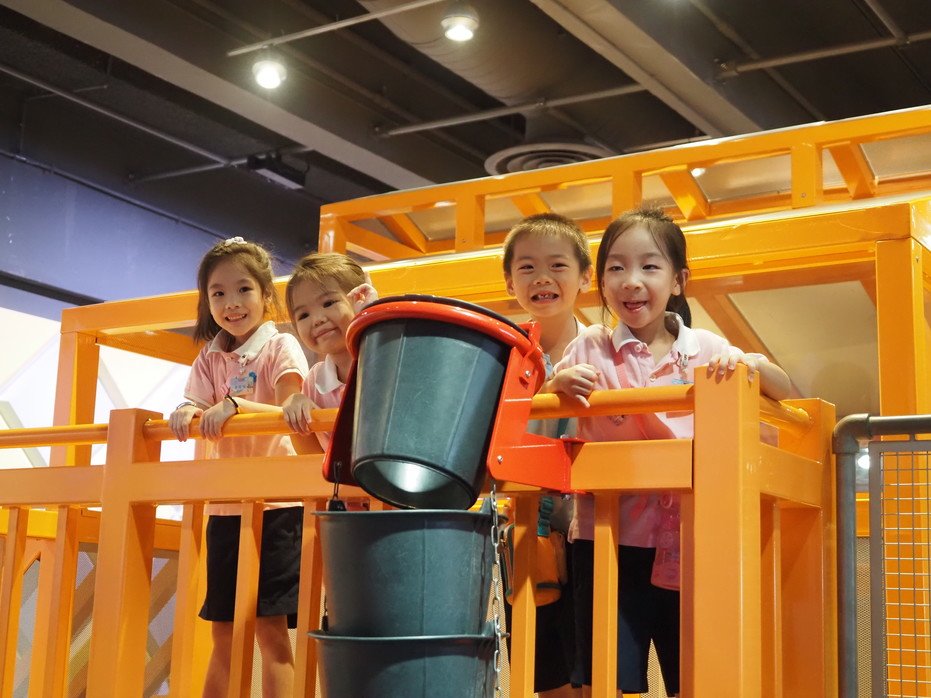
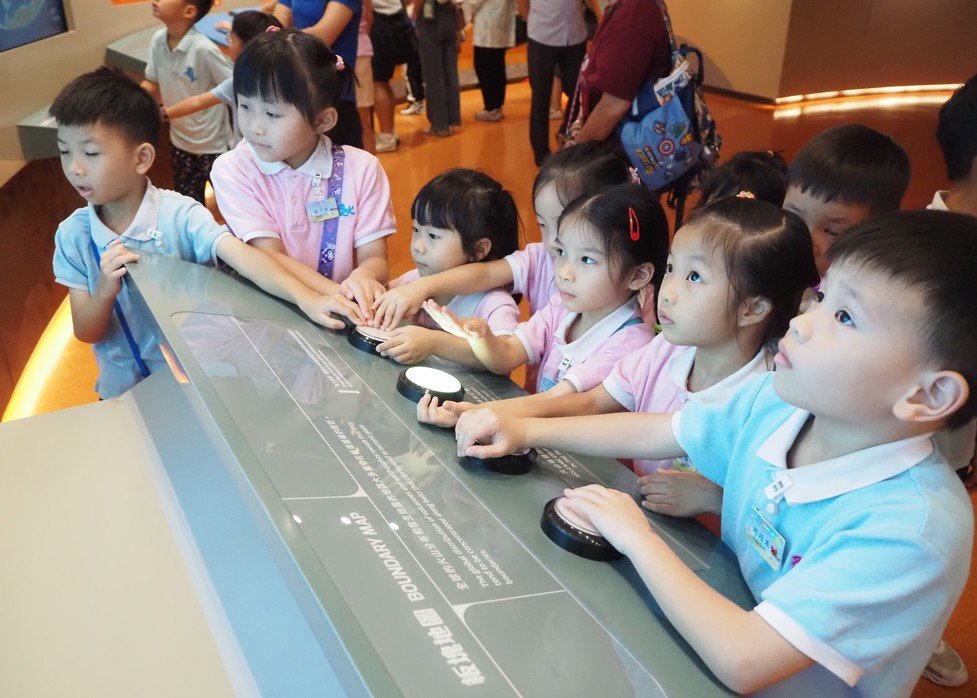
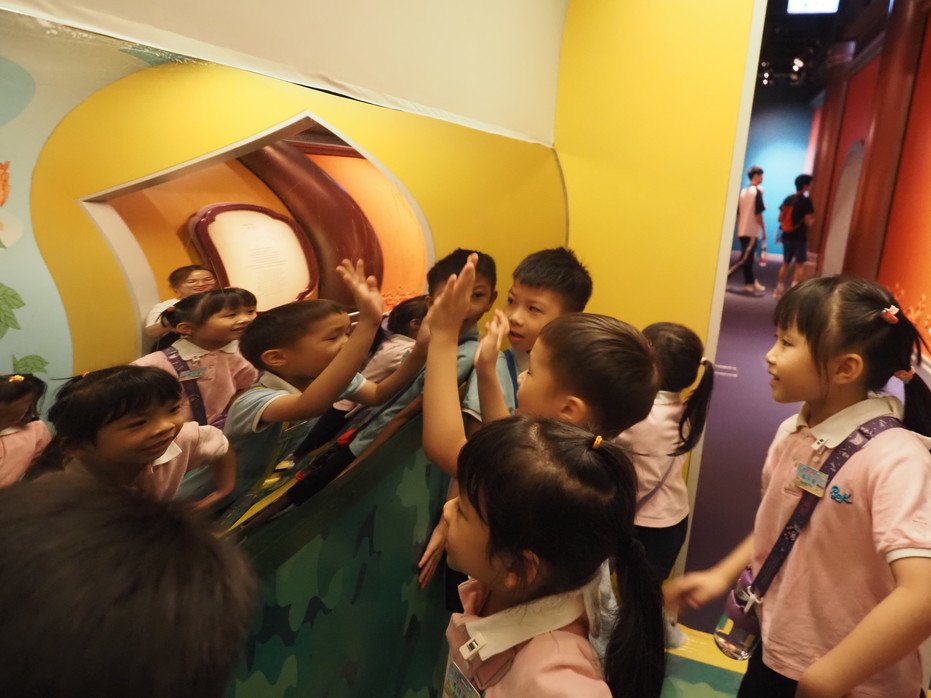
K1 Visiting Hong Kong Wetland Park
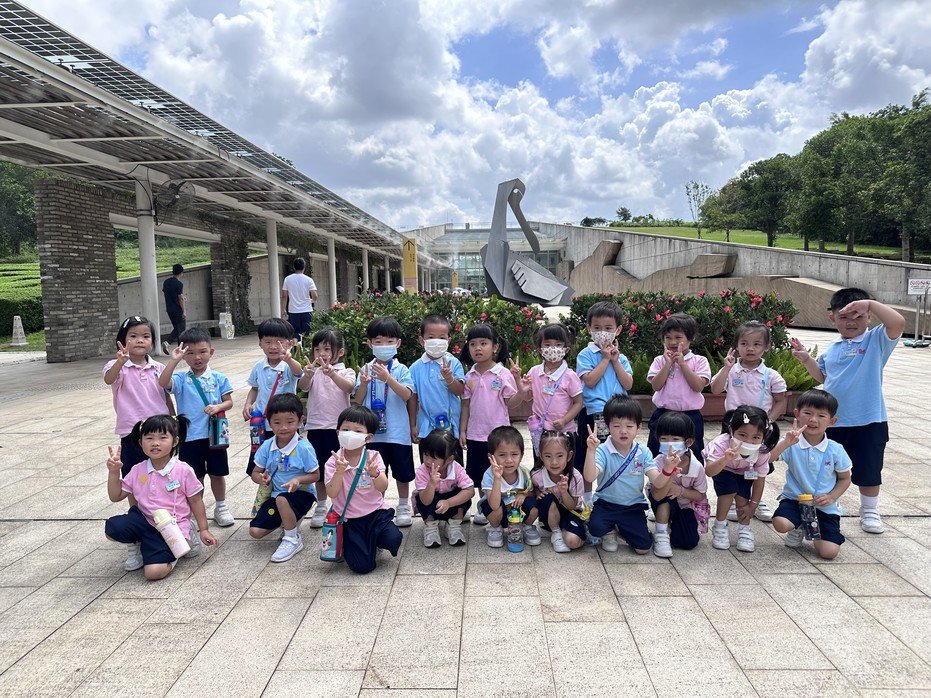
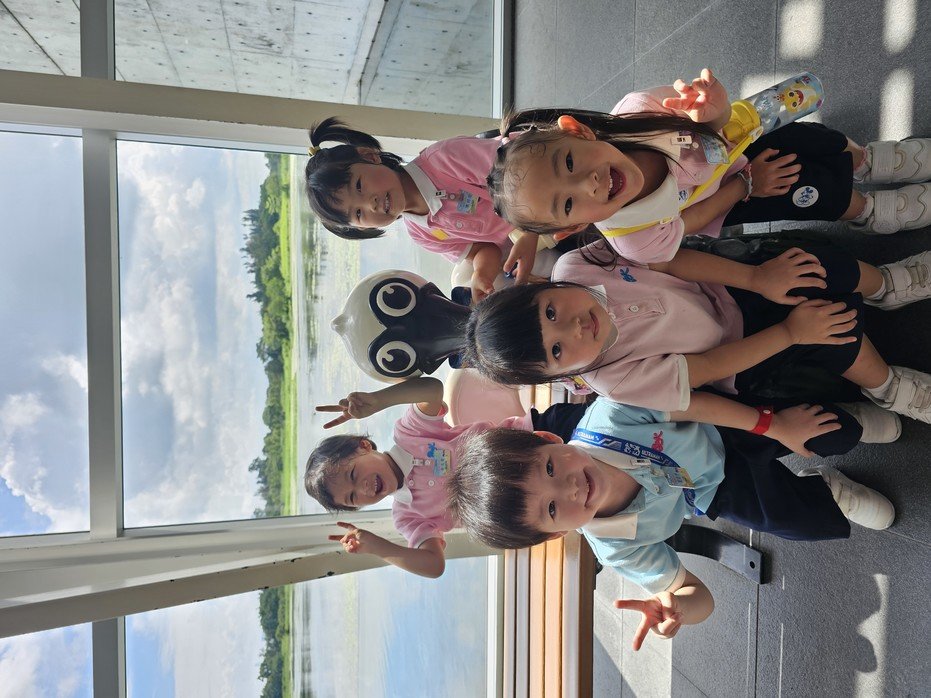
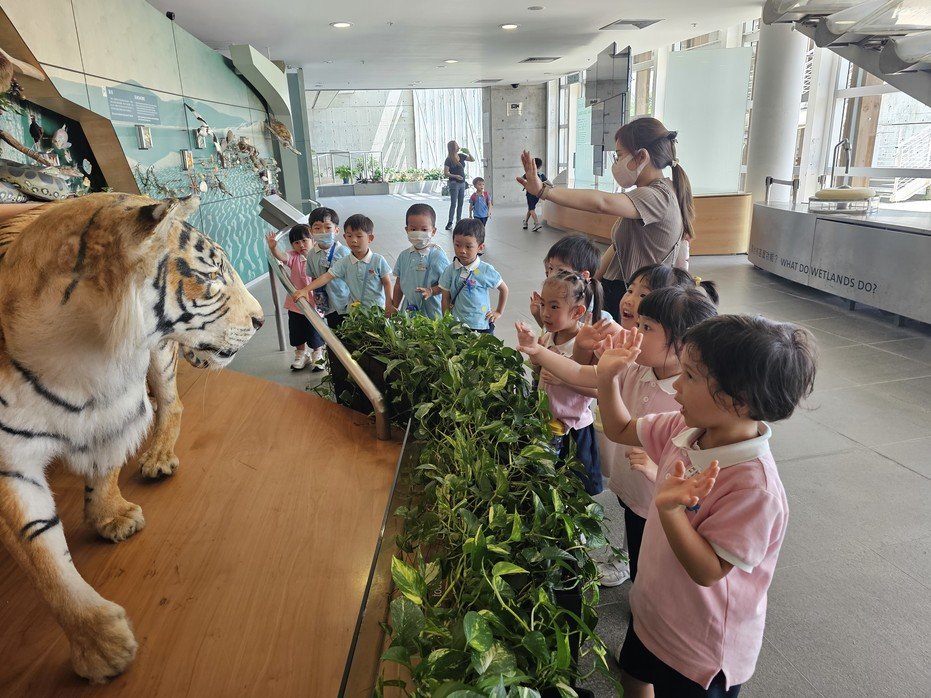
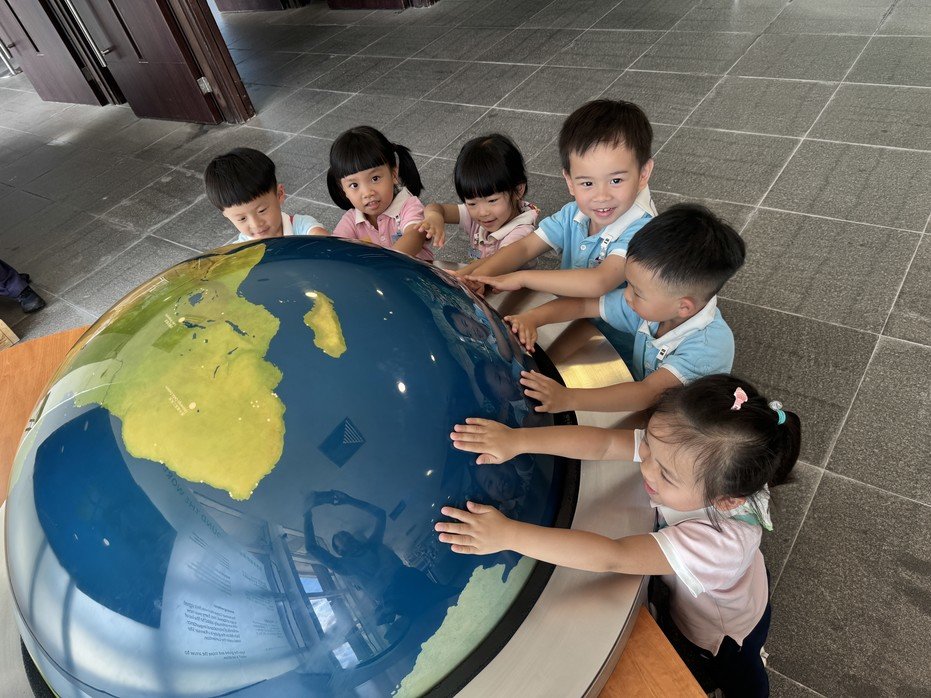
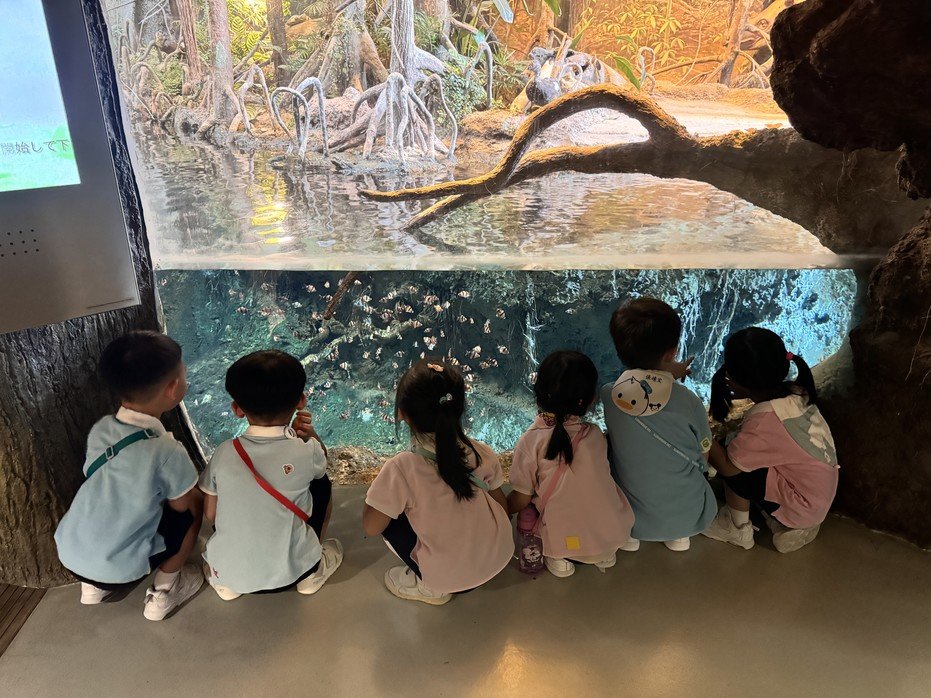
K1 Visiting Reptile House
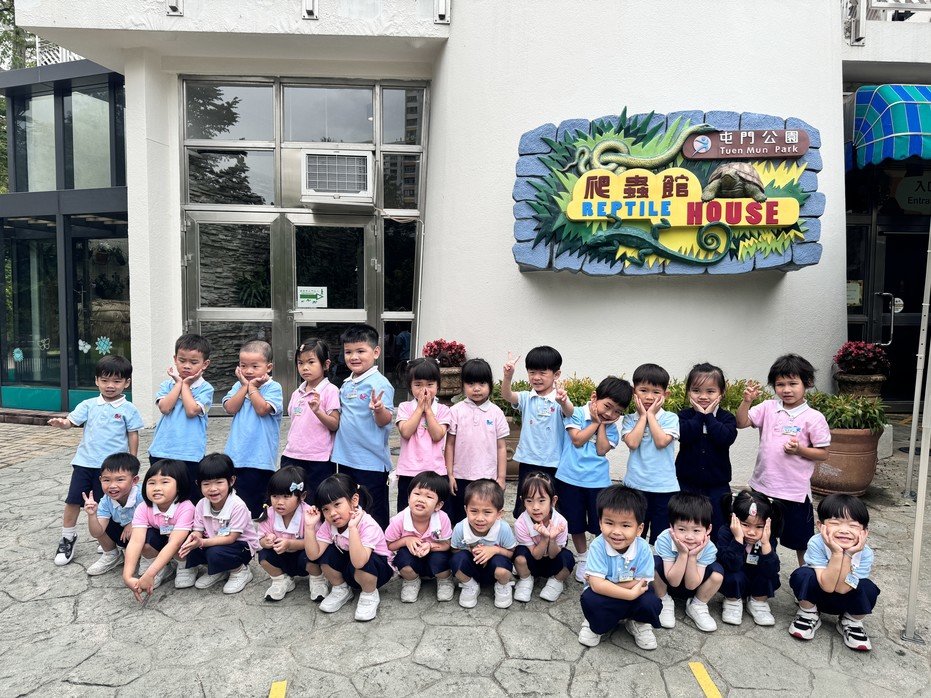
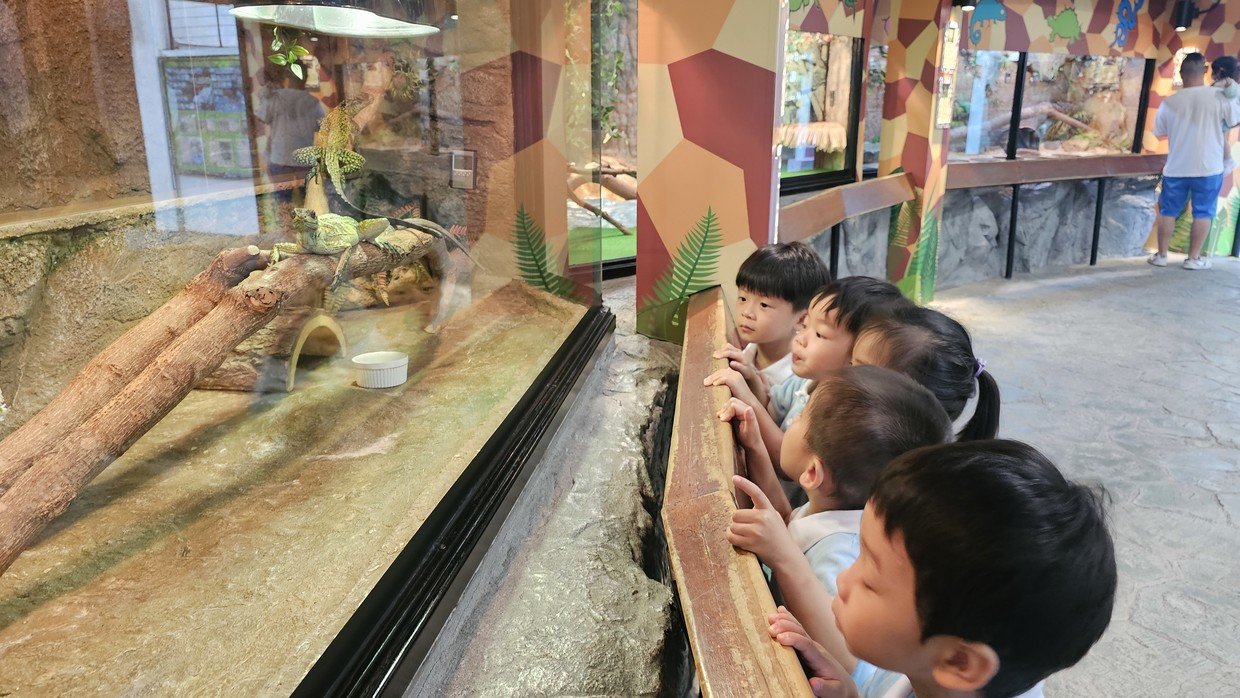
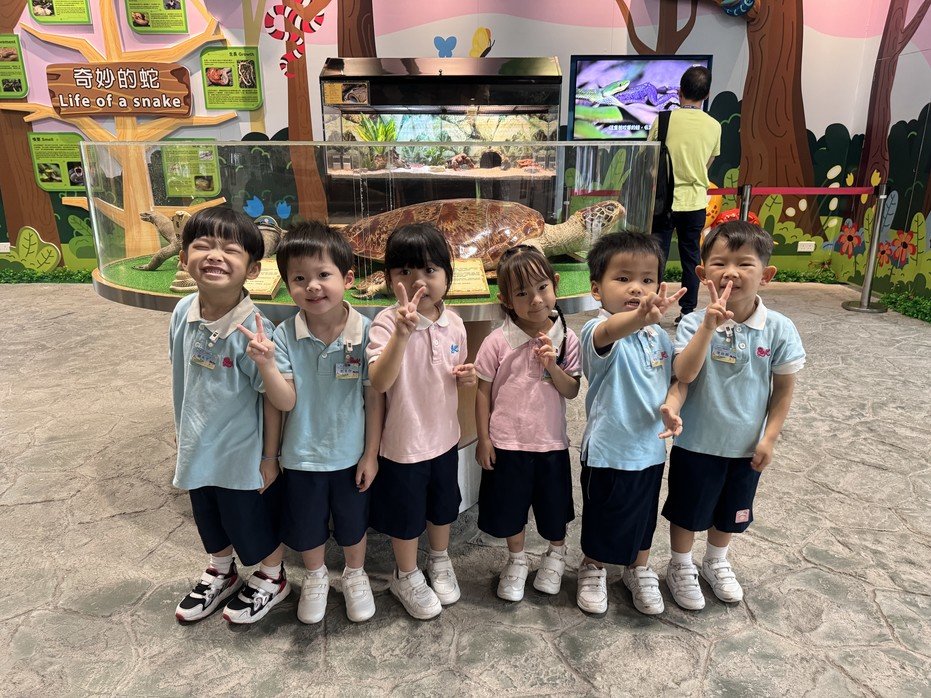
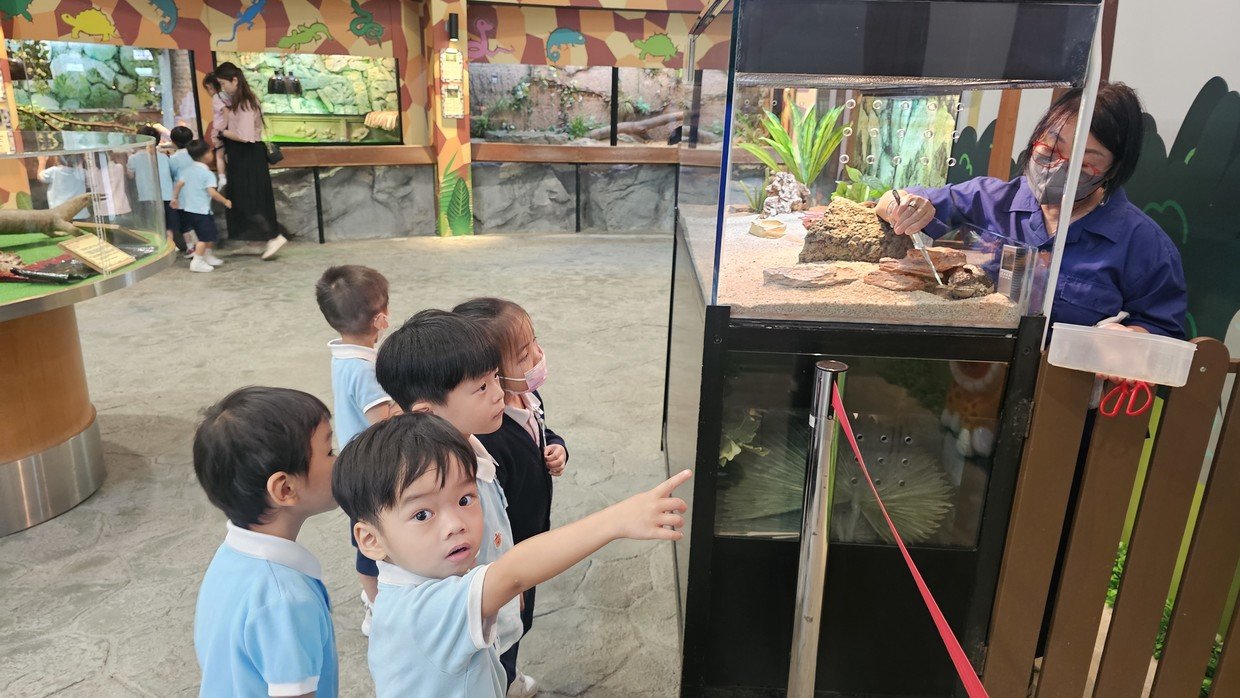
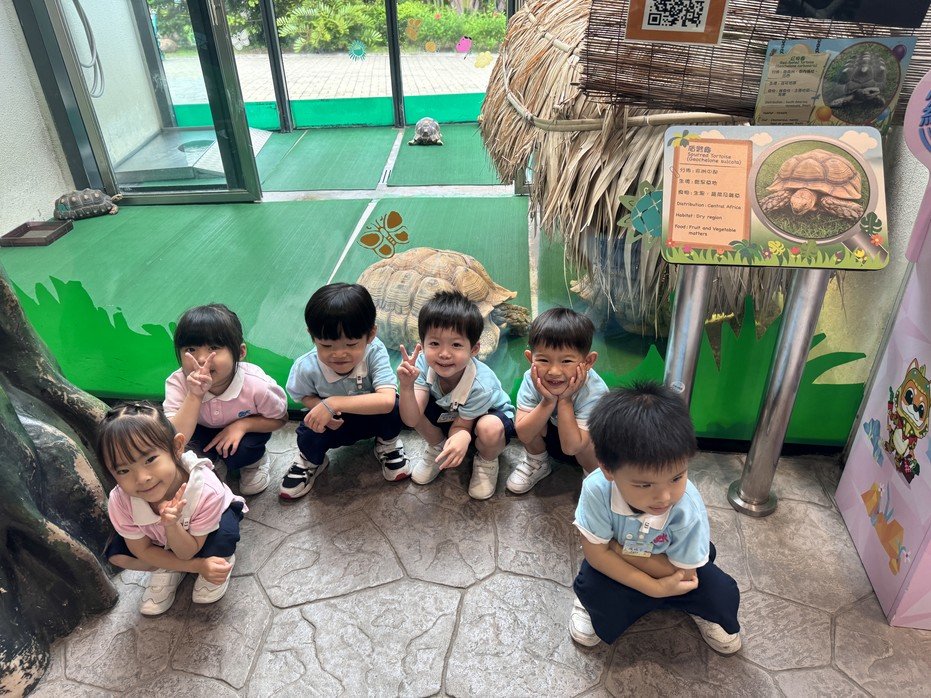
2023/24 School Year Kindergarten Activity Grant Deployment Plan
2023/24 School Year Kindergarten Activity Grant Deployment Report
2024/2025
Activity 1:Visiting Reptile House (K1)
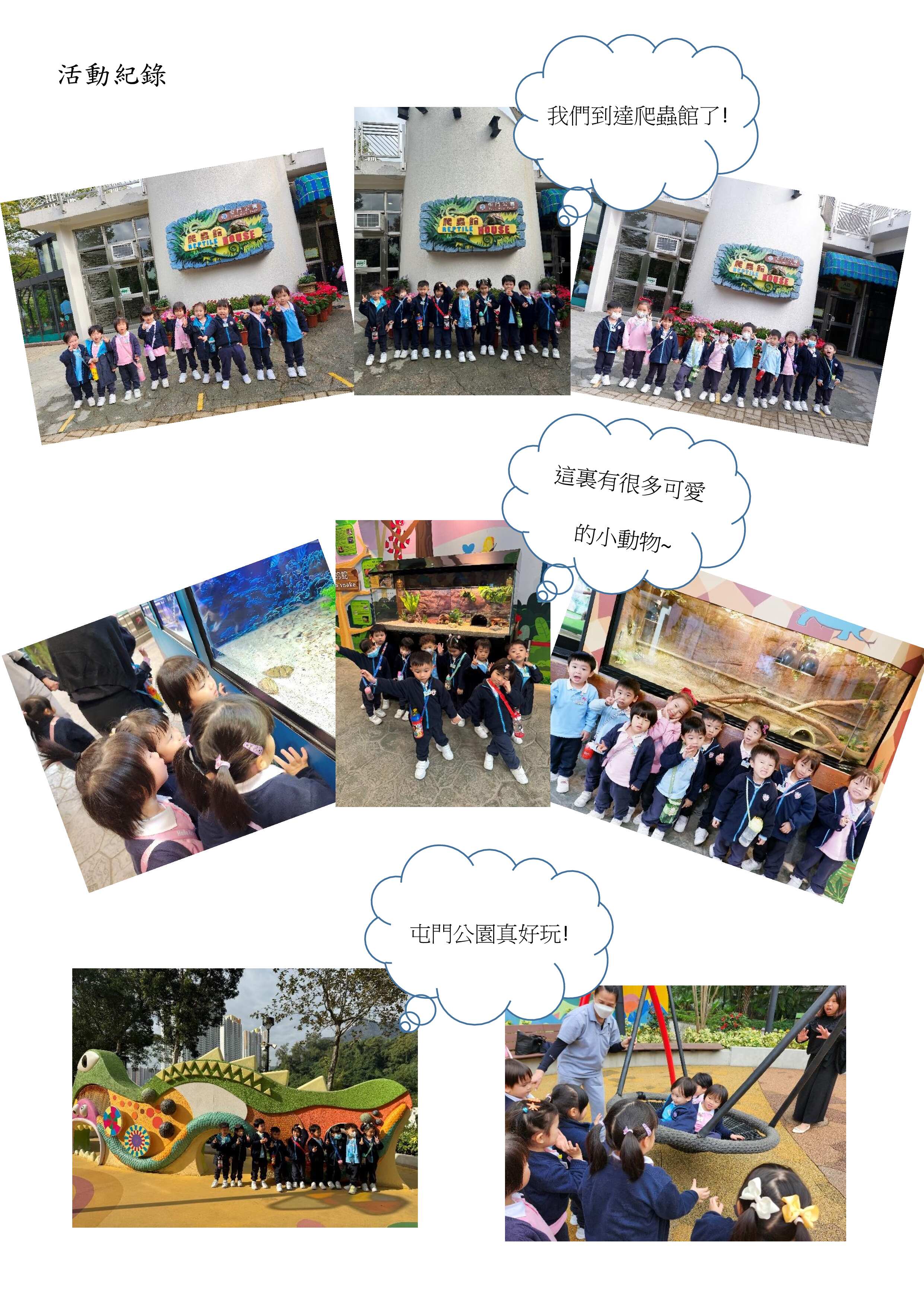
Activity 2:Visiting Hong Kong Wetland Park (K2)
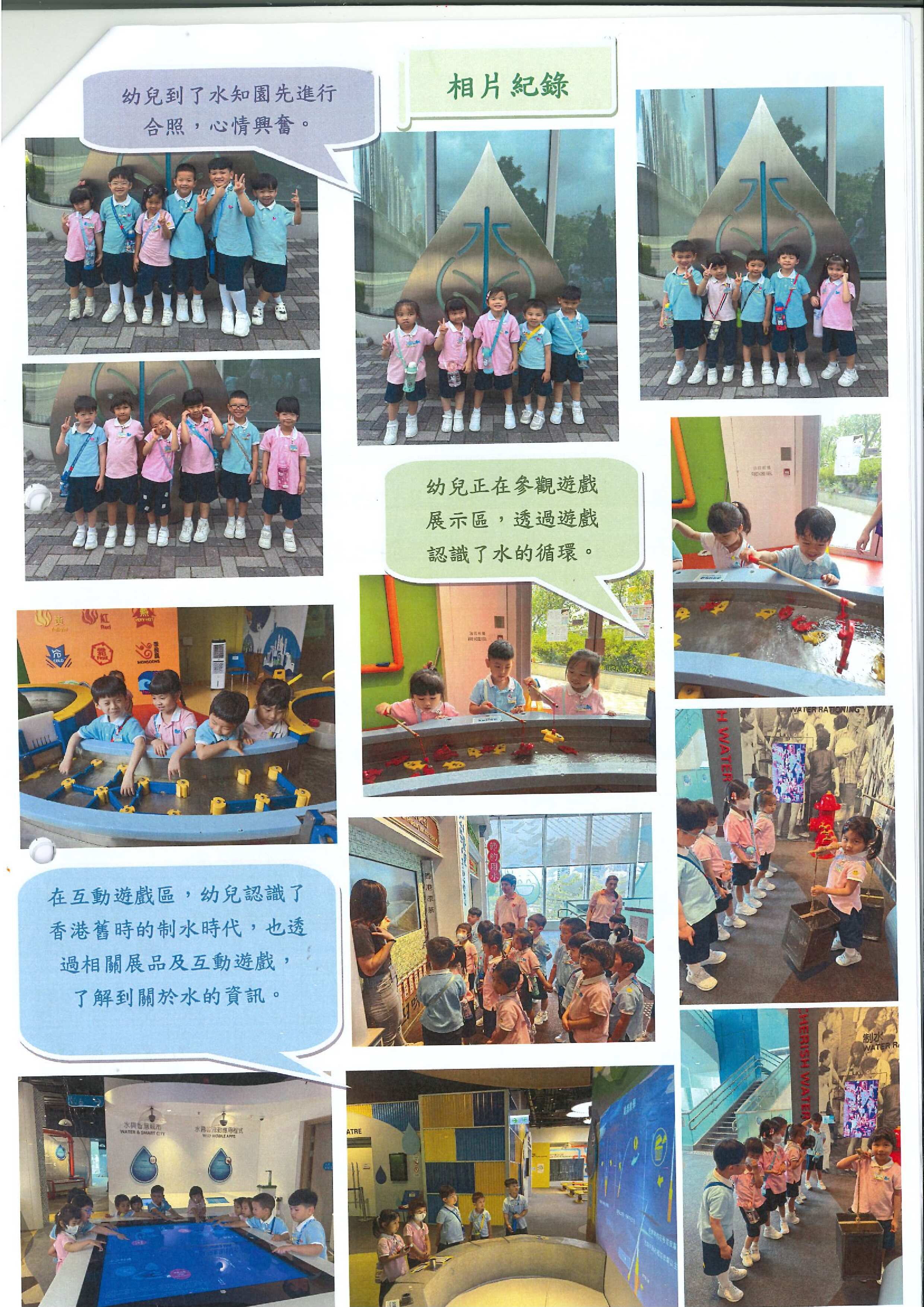
Activity 3:Visiting H2OPE Centre (K2)
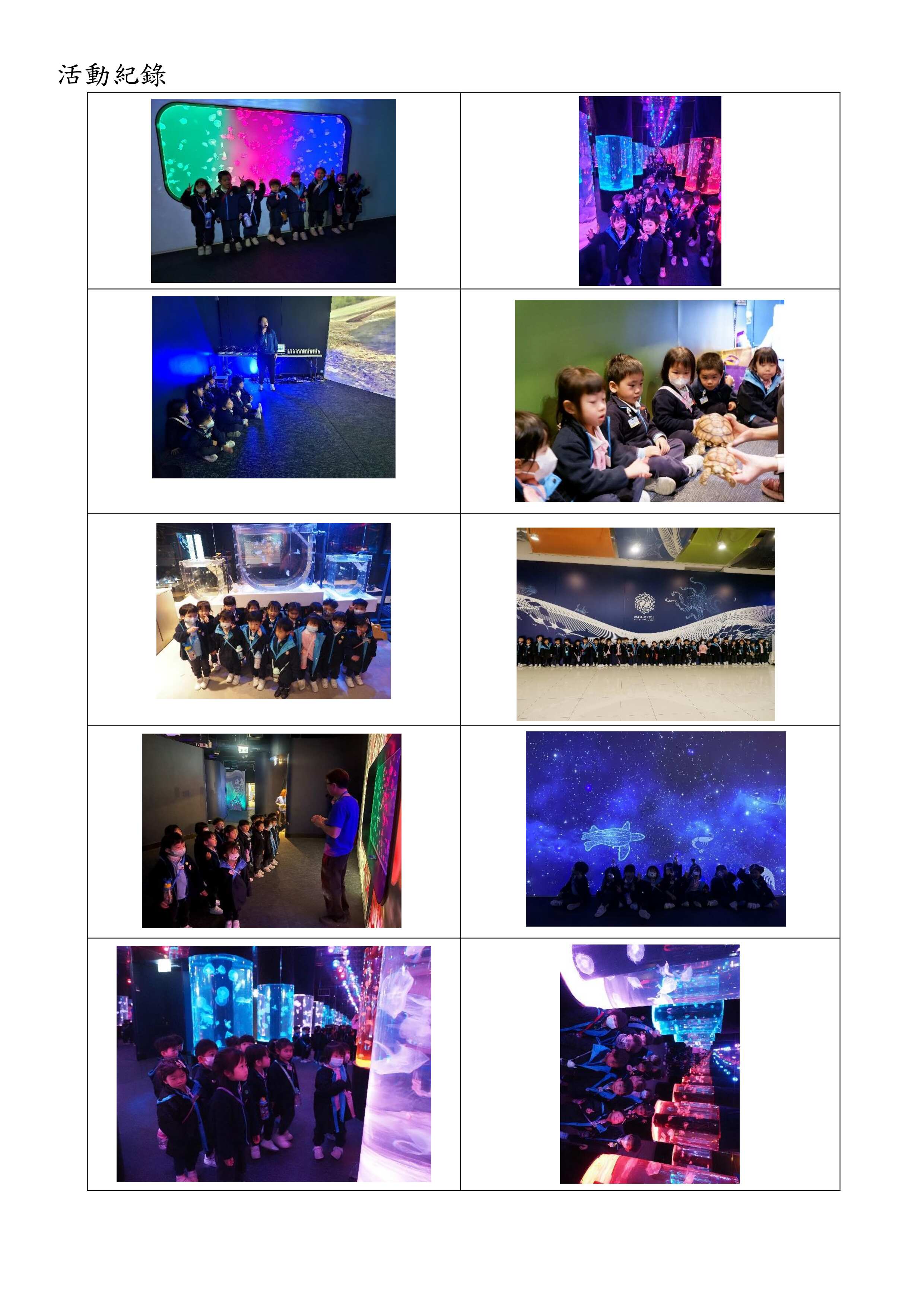
Activity 4:Visiting Cube O Discovery Park (K1)
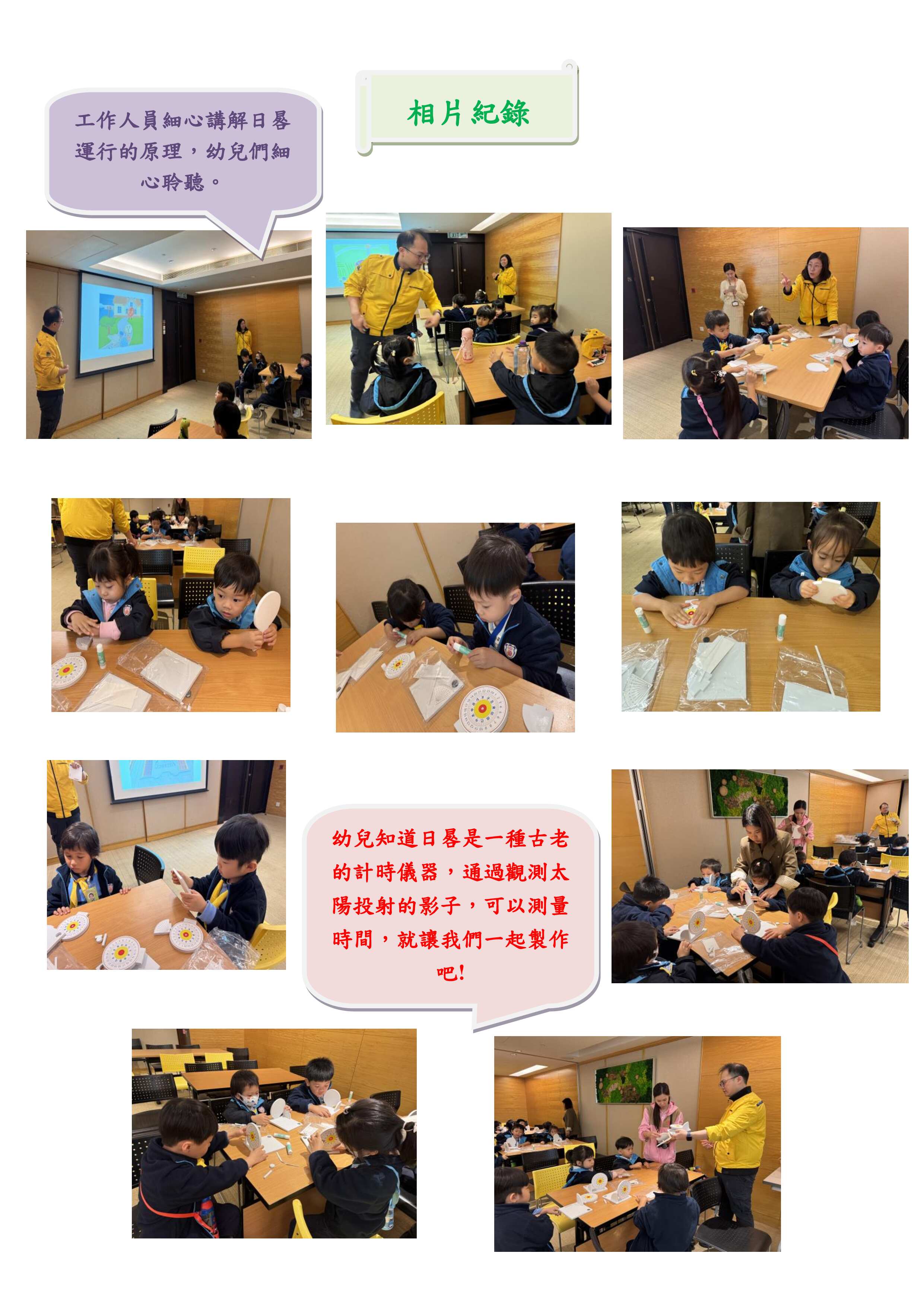
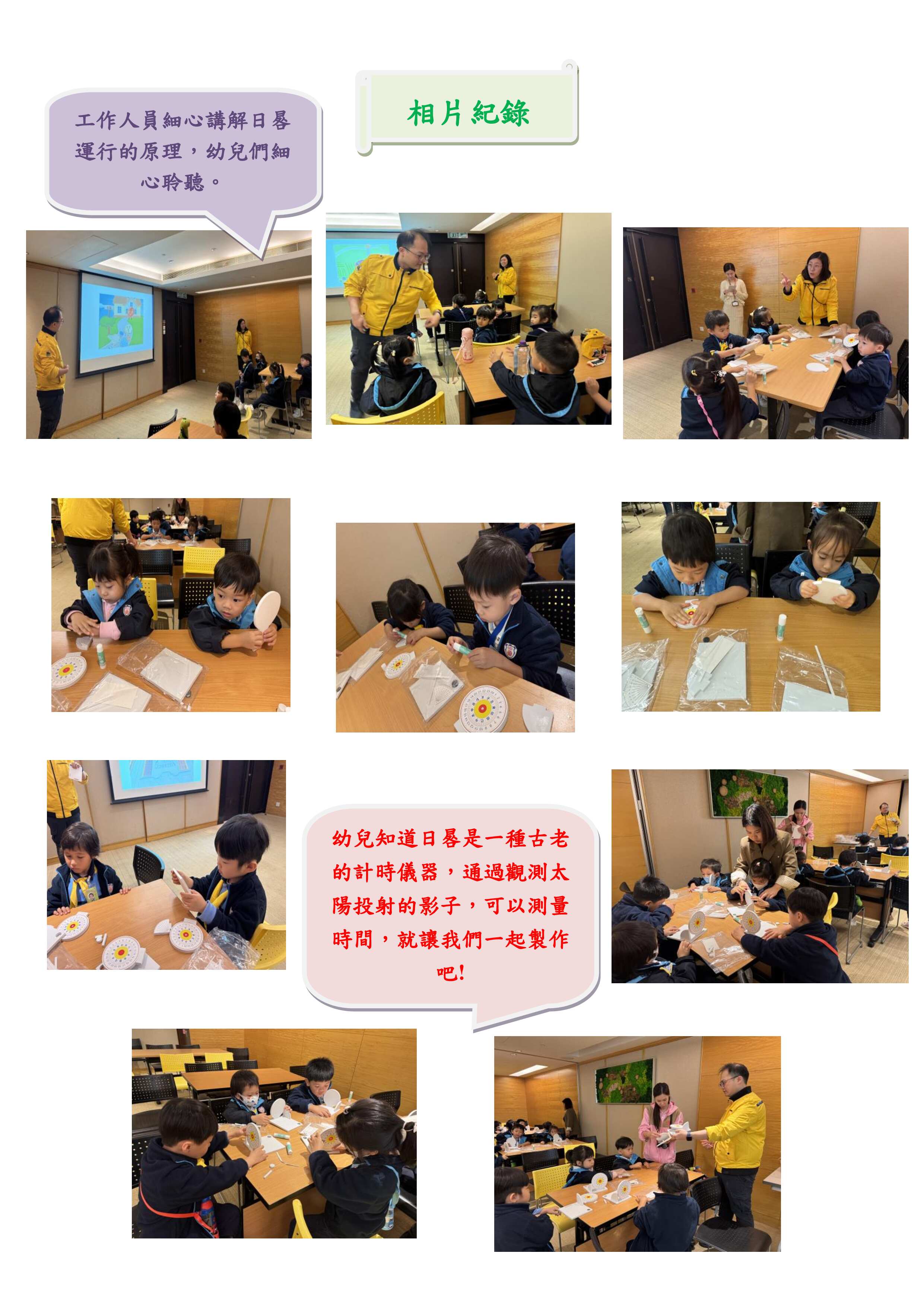
Activity 5:Mystery of Sundial in Noah's Ark (K2)
Activity 6:Chinese Medicine Cabinet in Noah's Ark (K3)
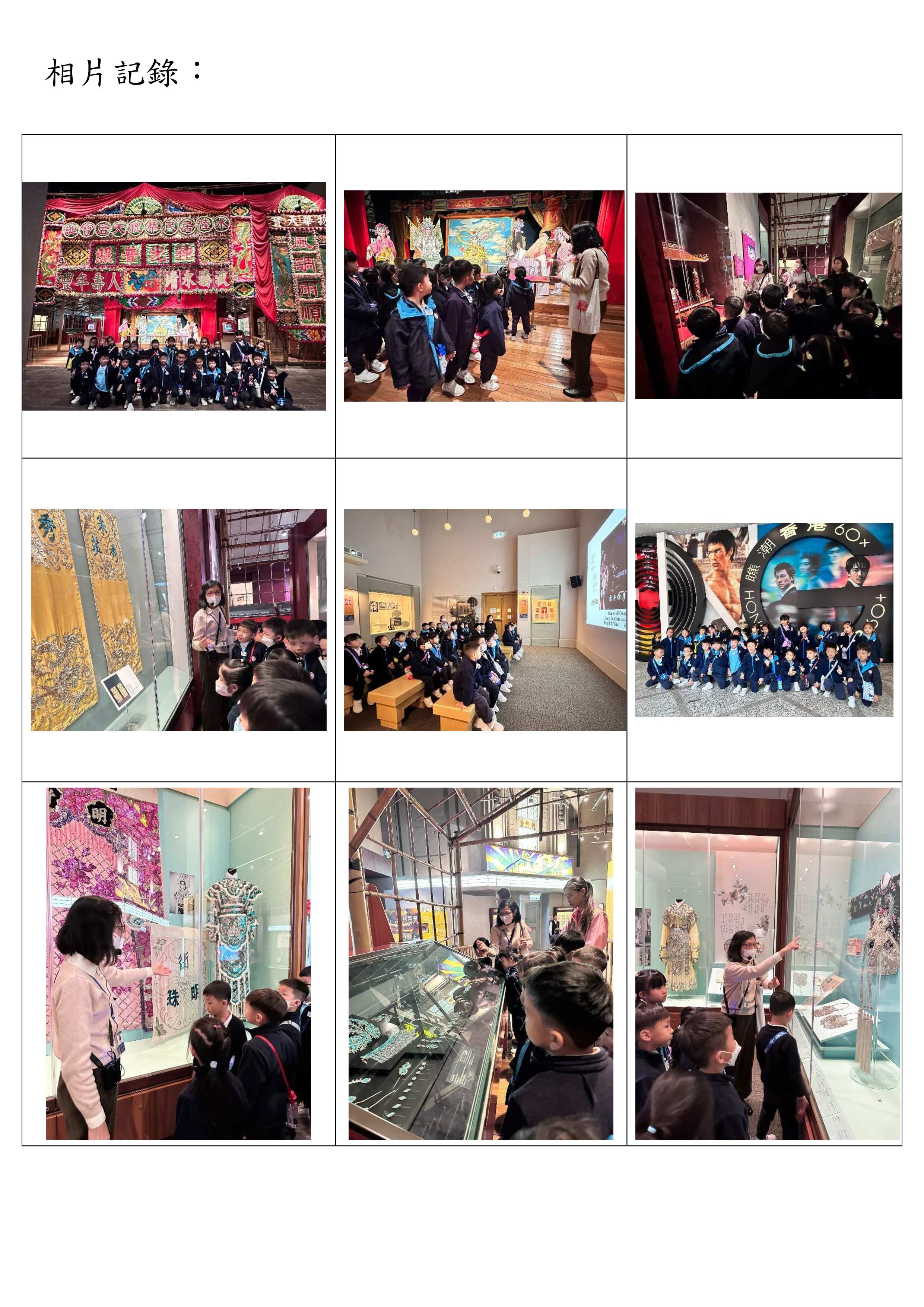
Activity 7:Visiting Hong Kong Heritage Museum (K3)
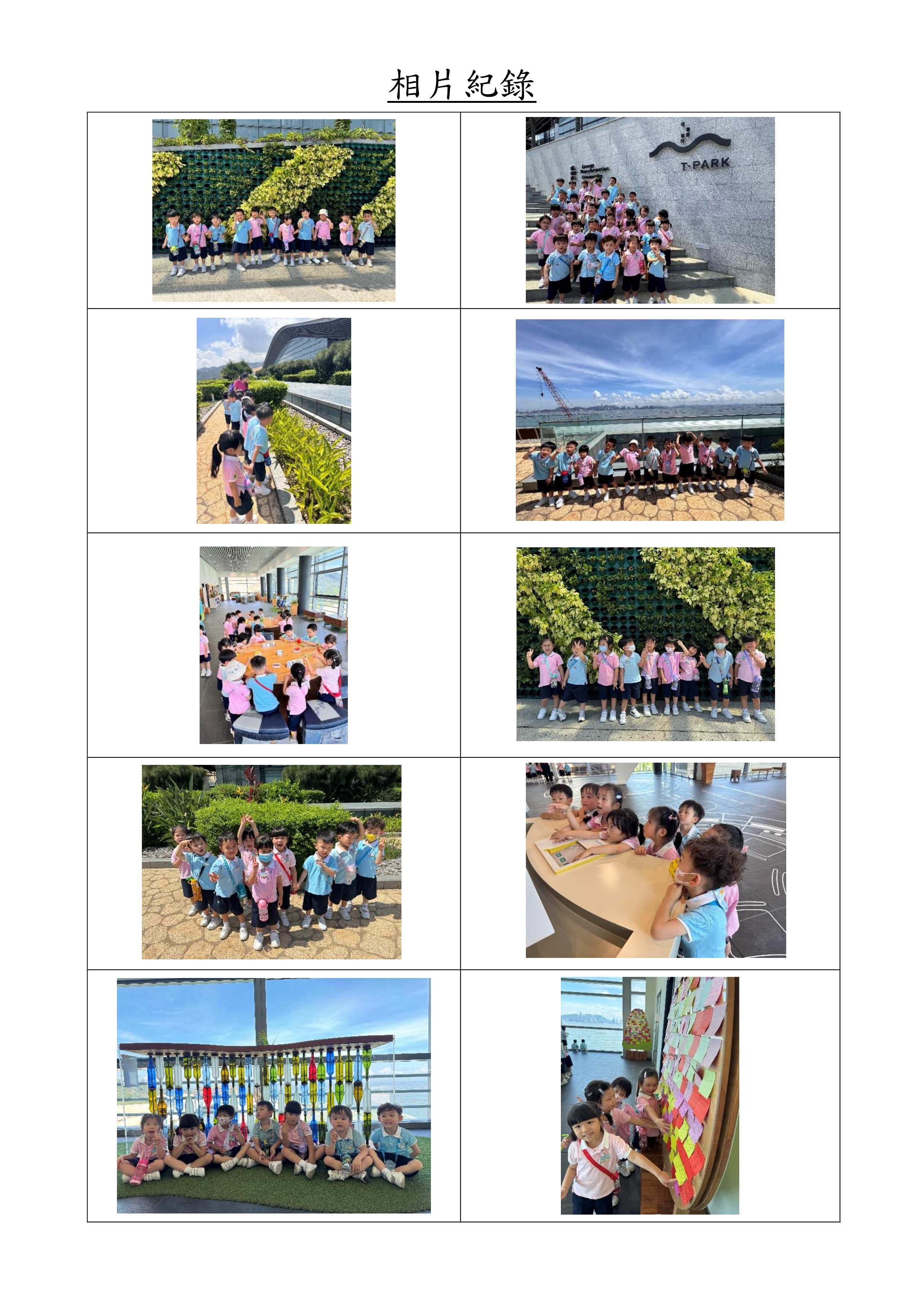
Activity 8:Visiting T-PARK (K1)
2024/25 School Year Kindergarten Activity Grant Deployment Plan
2024/25 School Year Kindergarten Activity Grant Deployment Report
(Chinses only)