
六个主题介绍
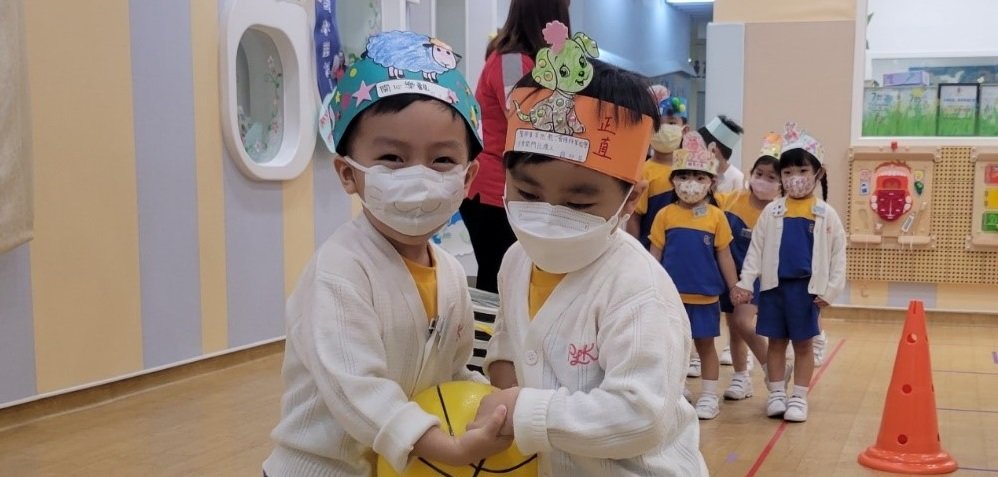
成长型思维
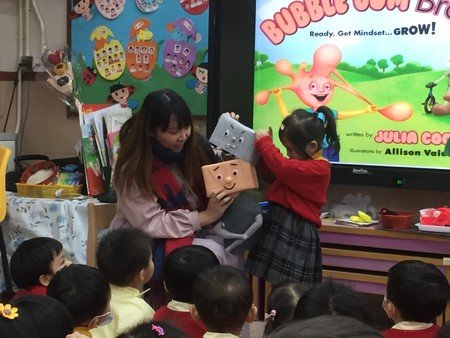
思维模式理论指出,一个人对智力及能力能否改变的想法,会直接影响我们的努力、动力及表现。拥有成长型思维的人会愿意接受挑战,并愿意付出努力和运用合适的方法,亦强调过程中的进步;相反,拥有固定型思维的人认为性格、智商和能力是无法改变,而成功是建基於资质,他们面对困难时,倾向会选择逃避。我们在不同情况下有不同的思维模式,而从神经元可塑性的科学研究证实,培养成长型思维能改变脑部,因此思维模式和行为是可透过练习改变(Dweck, 2006)。
性格强项
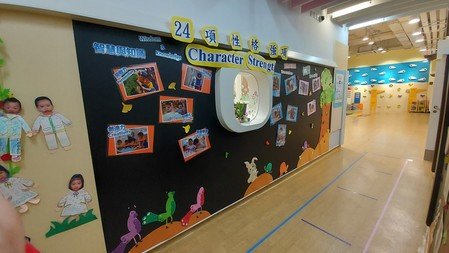
学者发掘全世界不同文化中被共同认可赋予生命意义的美德,他们用科学的方式总结出二十四种性格强项,并归纳为六种美德(Peterson & Seligman, 2004)。我们每人都有这二十四个性格强项,只是发展程度不一样;我们的性格强项既是稳定的,又是可变和能被培养的。性格强项强调把价值观透过行动表现出来,我们可运用性格强项面对生活中的挑战,在生活中使用性格强项能提升幸福感(Harzer & Ruch, 2012)。
正向情绪
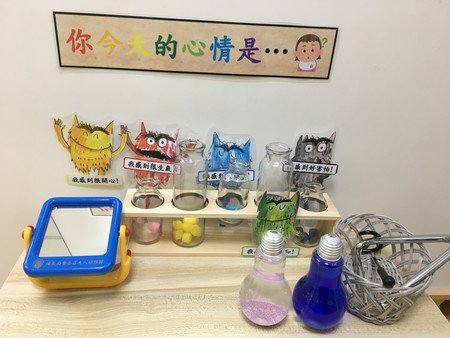
在这主题中,我们会认识到每一种情绪都有其作用,包括痛苦的情绪都是真实和重要的,而情绪、思维、身体反应和行为有著密不可分的关系(Beck, 1971)。正面情绪通常短暂和不易被察觉,所以我们可建立提升正向情绪的习惯,例如:静观(Geschwind, et al., 2011)、感恩(Fredrickson, 2004)等。
身心健康
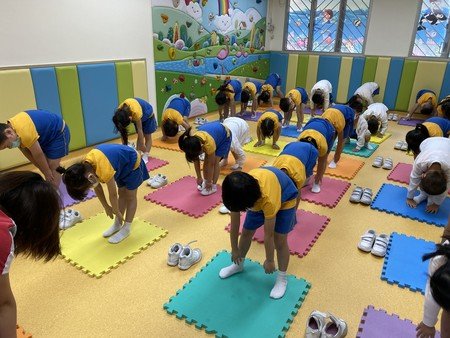
根据世界卫生组织的定义,健康不仅代表没有疾病或消除体弱,而是体格、精神与社交之完全的健康状态(World Health Organization,1948)。在这主题,我们聚焦在运动和睡眠,介绍了规律运动和良好睡眠对身心健康的益处。规律运动和良好睡眠除了对身体健康有益,对大脑健康有影响(John, 2015; Xie et al., 2013),亦能提升学习和专注力(Shonkoff et al., 2011; Van Dongen et al., 2003).
正面人际关系
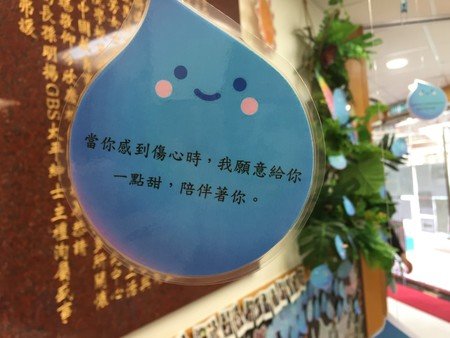
我们的社交需求和能力是与生俱来的,而有良好的社交关系对身心有益(Myers, 2000; Diener & Seligman, 2002),不仅建立亲密的关系能令我们快乐,和陌生人进行互动亦能提升我们的快乐感(Epley & Schroeder, 2014)。其中我们介绍了「水桶与杓子」理论,以加水为比喻,指出我们在生活中可以以别人的需要给别人恩惠、帮助及照顾他人令对方和自己快乐。此外,我们亦认识到爱的五种语言(Chapman, 2008),以别人喜欢的方式表达关心。
正向意义
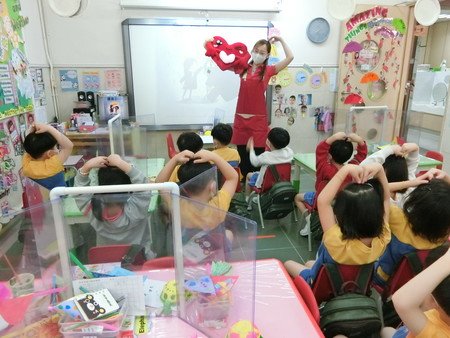
知道自己生命的意义的人会有较高的快乐,尤其是超越自我价值的意义,即是追求与「利他」(Dunn, 2014)、「人际关系」(Boothby et al., 2014)、「体验」(Van Boven & Gilovich, 2003)等相关的目标的人生意义能给我们带来较持久的幸福感,而对别人仁慈是属於超越自我价值的一种。在这主题中,教职员和家长能更了解自己工作和生活中不同角色的意义,并如何表达「仁慈」,以达成「仁慈涟漪」(Ripple of Kindness)。
1. Beck, A. (1971). Cognition, Affect, and Psychopathology. Archives Of General Psychiatry, 24(6), 495.
2. Boothby, E., Clark, M., & Bargh, J. (2014). Shared Experiences Are Amplified. Psychological Science, 25(12), 2209-2216.
3. Chapman, G. (2008). The Heart of the Five Love Languages. Chicago: Northfield Publishing.
4. Diener, E., & Seligman, M. (2002). Very Happy People. Psychological Science, 13(1), 81-84.
5. Dunn, E., & Norton, M. (2014). Happy money. New York: Simon & Schuster Paperbacks.
6. Dweck, C. (2006). MINDSET: THE NEW PSYCHOLOGY OF SUCCESS. New York: Ballantine Books.
7. Epley, N., & Schroeder, J. (2014). Mistakenly seeking solitude. Journal Of Experimental Psychology: General, 143(5), 1980-1999.
8. Fredrickson, B. L. (2004). Gratitude, like other positive emotions, broadens and builds. The psychology of gratitude, 145, 166.
9. Geschwind, N., Peeters, F., Drukker, M., van Os, J., & Wichers, M. (2011). Mindfulness training increases momentary positive emotions and reward experience in adults vulnerable to depression: a randomized controlled trial. Journal of consulting and clinical psychology, 79(5), 618.
10. Harzer, C., & Ruch, W. (2012). When the job is a calling: The role of applying one's signature strengths at work. The Journal of Positive Psychology, 7(5), 362-371.
11. John J. Ratey. (2015). In speech “Optimizing your brain with exercise”. MIT Media Lab.
12. Myers, D. G. (2000). The funds, friends, and faith of happy people. American psychologist, 55(1), 56.
13. Peterson, C., & Seligman, M. E. (2004). Character strengths and virtues: A handbook and classification (Vol. 1). Oxford University Press.
14. Shonkoff, J. P., et al. (2011). Building the brain’s “air traffic control” system: How early experiences shape the development of executive function. Contract, 11.
15. Van Boven, L., & Gilovich, T. (2003). To do or to have? That is the question. Journal of personality and social psychology, 85(6), 1193.
16. Van Dongen, H., Maislin, G., Mullington, J. M., & Dinges, D. F. (2003). The cumulative cost of additional wakefulness: dose-response effects on neurobehavioral functions and sleep physiology from chronic sleep restriction and total sleep deprivation. Sleep, 26(2), 117-126.
17. World Health Organization. (1948). Frequently asked questions. Retrieved from http://www.who.int/suggestions/faq/en/
18. Xie, L., Kang, H., Xu, Q., Chen, M. J., Liao, Y., Thiyagarajan, M., & Nedergaard, M. (2013). Sleep drives metabolite clearance from the adult brain. science, 342(6156), 373-377.