
Parents Zone
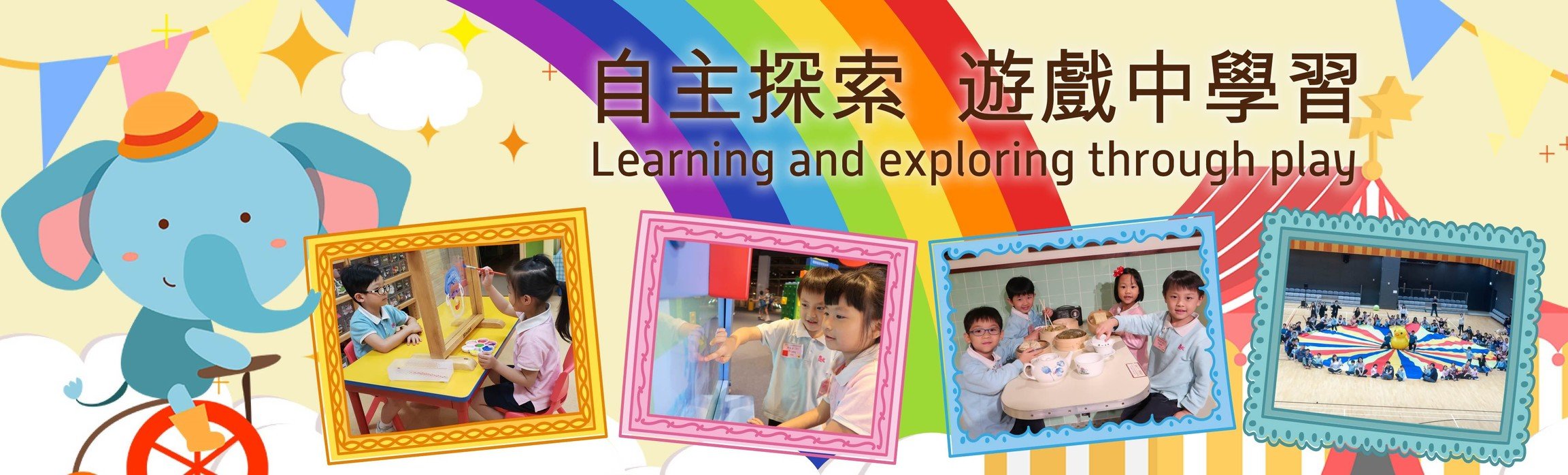
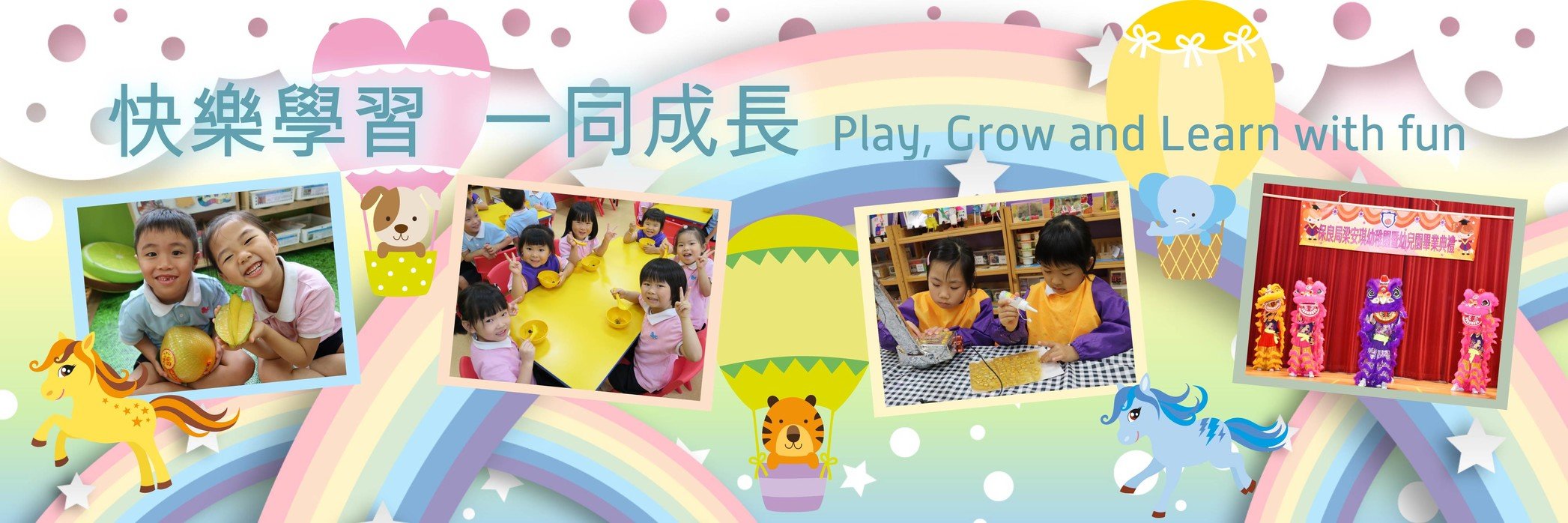

Growing Through Play: Helping Children Fall in Love with Learning and Exploration
When we watch preschool children immersed in the world of play, have we ever considered that these seemingly casual games actually contain the secret codes to their growth? Ages 3 to 6 are the golden period for cognitive and social development, and "play" is their most natural language of learning. Let us explore how to stimulate intrinsic motivation through play, avoid parenting pitfalls, and support the true needs of children.
Understanding Children's Developmental Needs: Play Is Their "Work"
According to the psychological authority Erikson's psychosocial development theory, children aged 3 to 6 are in a critical period of "active exploration." Through play, they cultivate initiative, imagination, and problem-solving skills. When children invite you to join in building block castles or role-playing with dolls, they are constructing their worldview and practicing social skills.
However, the first trap that parents often fall into is excessive intervention and guidance. We can't help but want to "teach" children the correct way to play or rush to solve their problems. This interrupts the child's opportunity for independent exploration. True companionship means being a "play partner," not a "commander"—allowing the child to lead the pace and content within a safe environment.
The second common trap is: placing too much emphasis on "educational outcomes." Many parents ask, "What can be learned from this game?" But for children, the process is far more important than the result. Don’t demand "decent" artwork; instead, appreciate their enthusiasm for creating and exploring.
The third trap is using games as a tool for reward and punishment. When we say, "Finish your meal before you can play," we inadvertently send the wrong message that play is a reward. Games should be regarded as a necessity for growth, as important as sleep and nutrition.
How do games stimulate learning motivation?
Play is an activity that children engage in spontaneously, joyfully, and with intrinsic motivation. For example, when a child seriously digs trenches in a sandbox to channel water, they are actually playing the game of "how water flows." When a child assigns family roles to their toy dolls, they are thinking about "how people interact with each other." This kind of play, driven by curiosity, is remembered well and enjoyed for a long time by children, far surpassing adults force-feeding them knowledge.
Practical Strategy: Creating a Playful Learning Environment in Everyday Life
- Provide open-ended toys: building blocks, clay, sand, cardboard boxes, and other unstructured materials that can stimulate greater creativity. Instead of buying electronic toys with single functions, choose simple materials that can be combined in various ways.
- Gamify daily life: tidying up toys can become a "toy return home contest"; grocery shopping can turn into a treasure hunt to recognize shapes and colors. This approach allows children to learn unconsciously and enjoy the process.
- Become a playmate who asks questions: rather than giving direct answers, learn to ask questions like "Why do you think this happened?" or "What would happen if we tried a different approach?" These kinds of questions can guide children to think deeply and develop problem-solving skills.
- Protect the space for imaginative play: When children treat a cardboard box as a spaceship or leaves as fairy coins, please don’t rush to correct the "facts." Imaginative play is key to developing children’s abstract thinking and creativity.
True learning happens not only in books and classrooms but also sprouts from every curious exploration, every failed attempt, and every whimsical imagination. When we are willing to let go of our obsession with "formal learning" and embrace the value of play, what we give children is not just a joyful childhood, but also the essential spirit of exploration and the ability to innovate needed for the future.